MSC Opera Cancels Civitavecchia Cruises Over Technical Issues
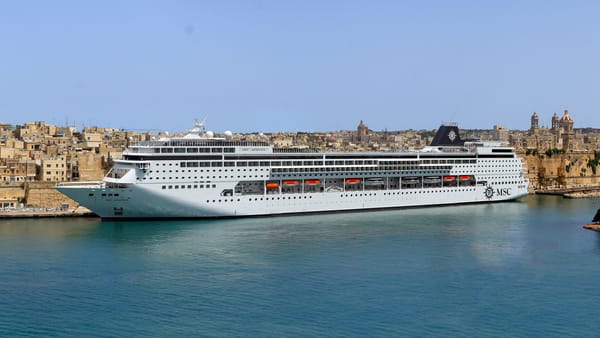
Ship-tracking data still placed MSC Opera in Valletta, Malta, where dry dock work had begun earlier in October; MSC has not linked the yard stay to the fault.
MSC Opera’s Last-Minute Disruption Needs a Clearer Explanation
Some MSC Opera passengers were told on October 28, 2026, that their cruise from Civitavecchia the following day was cancelled. Others reported being told to join the ship in Livorno on October 31 instead. Those are very different outcomes, and MSC has not explained the split.
I’d put that explanation ahead of a detailed account of the technical fault. Passengers need to know which cruises are off, which are going ahead and what the revised arrangements mean for their booking. With embarkation a day away for some guests, that information cannot arrive in fragments.
The cancellation notices cited “technical reasons” and promised full cruise refunds plus reimbursement for travel and accommodation expenses. That is a meaningful commitment, particularly at such short notice. It applied to cancelled cruises, however, and should not be confused with the separate arrangements described by passengers whose departures were being postponed.
A cancellation for some, a hotel and transfer for others
Some guests initially questioned whether the cancellation texts were genuine. Passengers subsequently reported confirming their cancellations directly with MSC Cruises.
Meanwhile, one passenger already in Genoa said in a Facebook discussion that an email instructed them to report to the terminal as originally planned on October 30. According to that passenger, MSC would provide a hotel, a bus transfer to Livorno the next day and onboard credit.
That is a concrete plan for someone already away from home. Another passenger also described receiving a postponement notice rather than a cancellation. Livorno was already on MSC Opera’s itinerary for October 31.
The different instructions are not, by themselves, evidence that MSC sent the wrong messages. The ship’s program included overlapping short Mediterranean cruises and longer transatlantic voyages, with embarkation opportunities in Genoa and Livorno as well as Civitavecchia. Different bookings could require different solutions.
But passengers discussing their notices did not identify their cruise lengths, leaving the extent of the disruption unclear. That missing information matters more than simply citing ‘technical reasons.’
The affected Civitavecchia departures had disappeared from MSC’s booking website, while the port schedule had not yet been updated to show the cancellation. That left another public source out of step with the notices passengers were receiving.
The ship remained in Valletta
MSC Opera was undergoing dry dock work in Valletta, Malta, which had begun earlier in October. Ship-tracking data continued to show the vessel docked there when the cancellations were reported.
MSC has neither identified the technical problem nor confirmed any connection between it and the dry dock. The timing makes the yard stay relevant context, but it does not establish what went wrong.
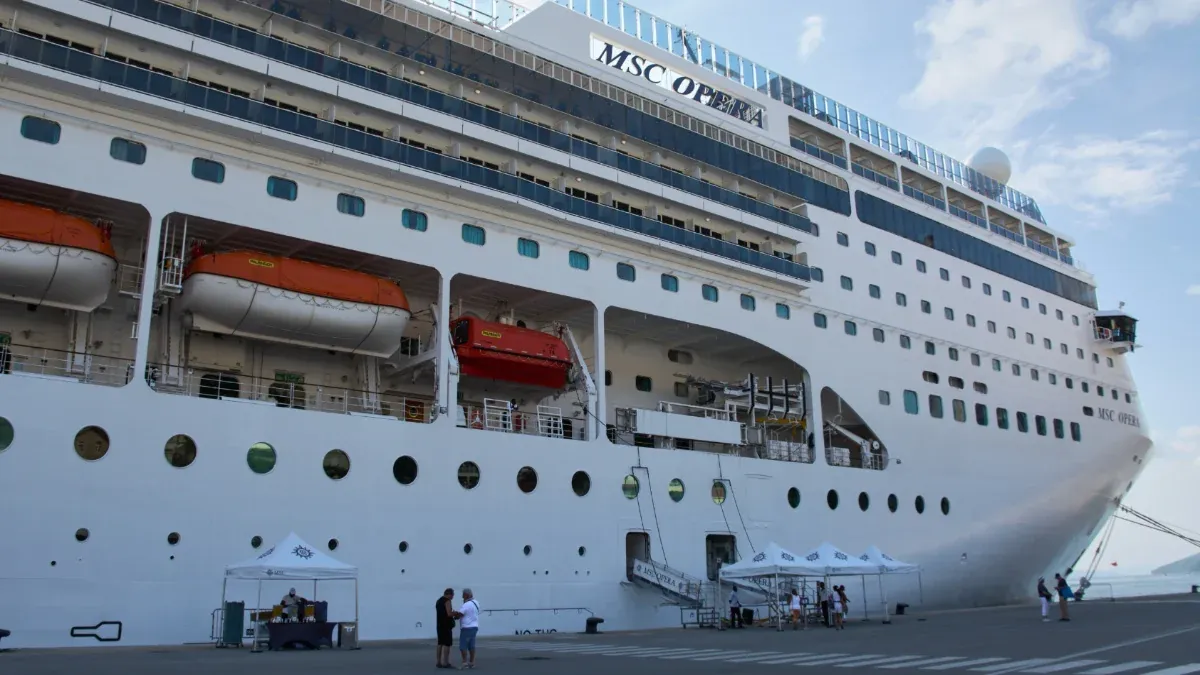
The 65,591-gross-ton Lirica-class ship entered service in 2004 and underwent a major refurbishment in 2015. It accommodates 2,658 passengers. The number affected by this disruption was not specified.
A day’s notice, not three weeks
MSC has dealt with other technical cancellations at short notice. In April 2025, MSC Sinfonia passengers received cancellation texts on the evening before departure. Subsequent accounts linked that disruption to a malfunction affecting the ship’s speed.
Passengers booked on a May 2025 MSC Meraviglia sailing had more time to respond. Their cruise was cancelled in mid-April, just over three weeks before embarkation, with MSC citing mechanical problems affecting the vessel’s speed.
Those cases do not explain MSC Opera’s fault. They do show how much the notice period changes the passenger’s problem. A day before sailing, a cancellation is an immediate travel decision, not merely a refund claim.
MSC has offered financial commitments to cancelled guests and practical arrangements to at least some passengers facing a delayed departure. What it still owes is a clear account of which sailings fall into each group. Passengers should not have to assemble that picture from Facebook posts and missing departure listings on MSC’s website.