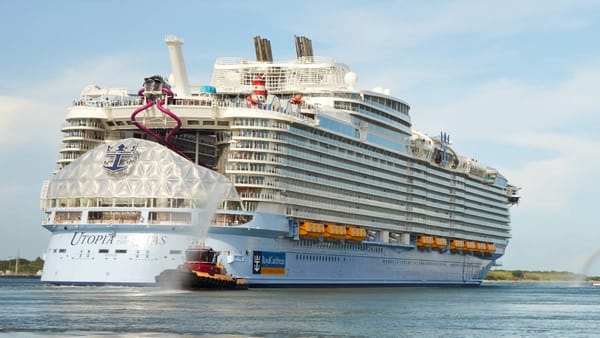
Royal Caribbean to Open Royal Beach Club Lelepa in Vanuatu in 2027
Cruise lines are racing to control the best beach days, and Royal Caribbean is bringing its private club playbook to the South Pacific to win Australian demand.
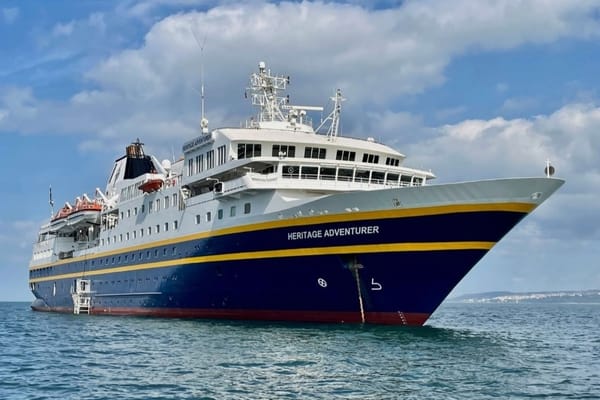
In the fast-growing Great Lakes and Canadian Maritimes niche, small-ship lines are using winter layups as strategic reset points to boost reliability and onboard polish.
The new vessel underscores the company’s bet on premium, United States-built river cruising as Pacific Northwest itineraries draw demand and spur investment in small ports.
The knock-on effect shows how conflict and chokepoint closures can upend cruise deployments months ahead, pushing lines to rethink winter Gulf seasons and Mediterranean starts.
Shanghai’s early cruise calls show how China’s looser transit rules could reshape Asian itineraries, making short port visits easier and boosting the city’s bid as a regional hub.
Expedition cruising is pushing beyond the poles as brands chase year-round demand for biodiversity-rich, hard-to-reach islands. The Indian Ocean is becoming the next frontier.
The change underscores how crowded Mexican Riviera ports and tighter ship turnarounds are pushing cruise lines to build more slack into West Coast schedules.
The reroute signals a growing challenge for Alaska cruising as retreating glaciers destabilize steep fjord walls, forcing operators to rethink where big ships can safely chase ice.
A sudden oil shock is testing cruise lines’ pricing power just as they court early bookings. Carnival’s no hedge approach puts a spotlight on who can defend margins without surcharges.
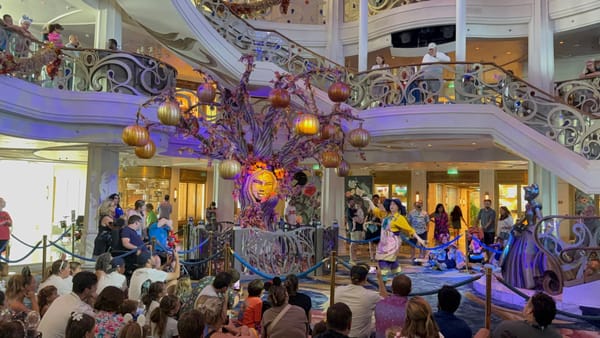
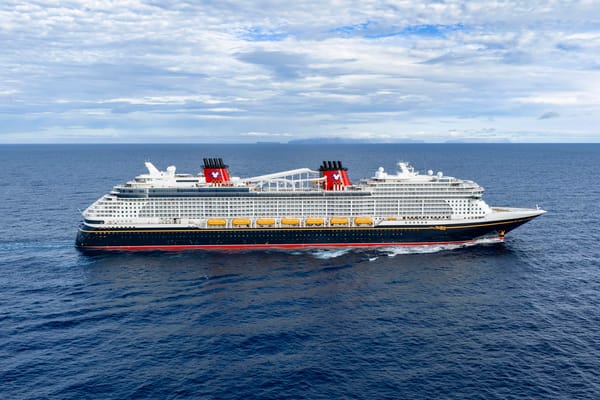
As cruise capacity surges, Disney is betting that loyalty is built less on waterslides than on traditions families want to repeat, a play for multigenerational travelers worldwide.
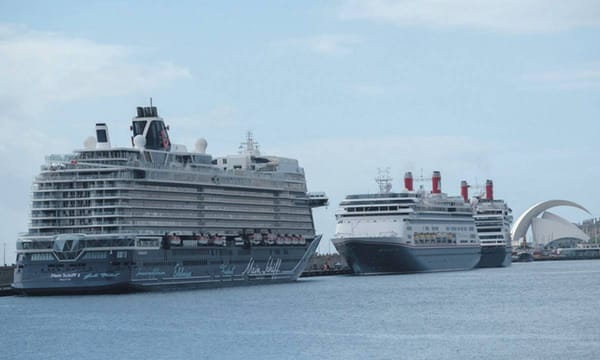
TUI Cruises’ dual-fuel newbuild highlights how European cruise lines are hedging on liquefied natural gas as regulators push for lower carbon dioxide emissions and truly green fuels lag behind.
With Liverpool’s cruise footprint growing, the investment shows how ports and operators use public safety projects to build trust and deeper ties on the waterfront.