Seattle’s 2027 Shore-Power Rule Puts Cruise Berthing Rights at Risk
Cruise lines must report shore-power connection duration after every Seattle call and submit written explanations for nonconnections, with limited exceptions for outages or maintenance.
Seattle’s 2027 shore-power mandate has the right kind of teeth
A cruise line’s berthing agreement can be put at risk if it repeatedly fails to connect to Seattle’s shore power without adequate justification. That is the detail that deserves attention in the port’s season-end reporting.
Starting with the 2027 cruise season, homeported ships must be equipped to connect and must use shore power while berthed at port facilities. I like that Seattle has made this an operating requirement with consequences. Seattle already has shore-power equipment at all three cruise berths. Using it should be the expectation, not an achievement reserved for the annual announcement.
There is still a gap to close. A record 66% of ships used shore power during the 2026 season, up from 65% a year earlier. The port estimates those connections avoided 6,189 metric tons of carbon dioxide-equivalent emissions and 1.52 metric tons of diesel particulate matter.
Those are useful reductions. A one-percentage-point increase in use is also a modest advance ahead of a mandatory connection rule.
The equipment is there. Connections still take work.
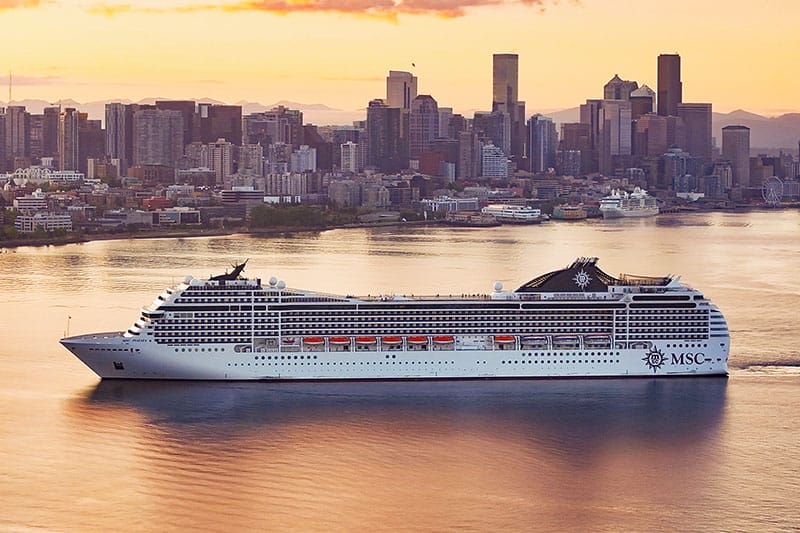
Seattle’s cruise berths are the downtown Bell Street Pier Cruise Terminal at Pier 66 and both berths at Smith Cove Cruise Terminal at Pier 91. Dredging and electrification work is scheduled to continue this fall at Pier 91 to expand shore-power service.
Seattle’s shore-power requirement is incorporated into berthing agreements, tariffs, leases and related renewals or extensions. Cruise lines must report connection duration after each call and provide a written explanation when a ship does not connect.
The rules allow limited exceptions for maintenance, electrical outages and other unavoidable operating circumstances. That matters because an equipped berth does not guarantee a successful connection. Vessel compatibility and equipment availability can still affect whether a ship plugs in, as can operating conditions.
This is where a reporting requirement earns its place. A written explanation distinguishes an unavoidable outage from an unjustified failure to connect. The port needs that distinction if it is going to enforce the rule credibly.
More calls, but not every measure set a record
Seattle closed its 2026 cruise season on October 18 with a record 330 ship calls and nearly 2 million revenue passengers, compared with 298 calls and 1.9 million revenue passengers the previous season.
Passenger volume nevertheless finished below the opening-season forecast of approximately 2.1 million. Estimated regional economic benefit remained at $1.2 billion, while the estimate of more than 5,120 direct and indirect jobs was also unchanged.
The homeport roster expanded to 16 ships across 10 Cruise Lines International Association-affiliated brands, up from 14 ships and eight brands in 2025. Carnival Cruise Line, Royal Caribbean and Norwegian Cruise Line were among the operators sailing Alaska itineraries.
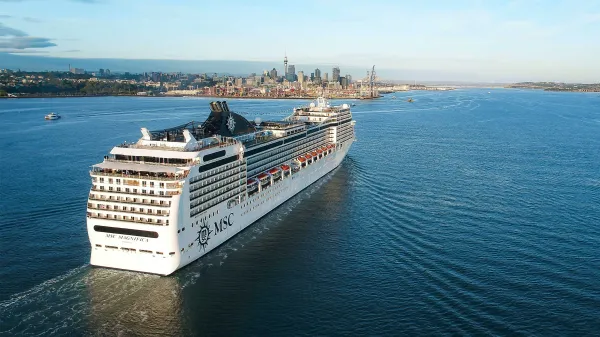
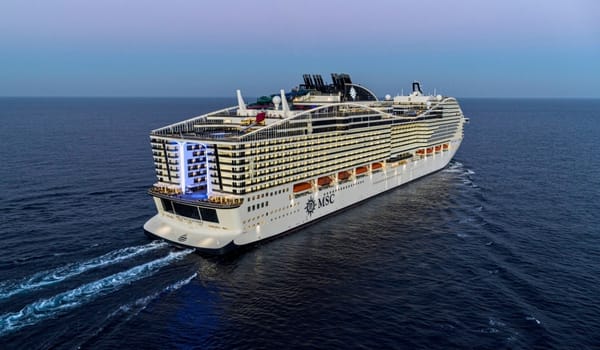
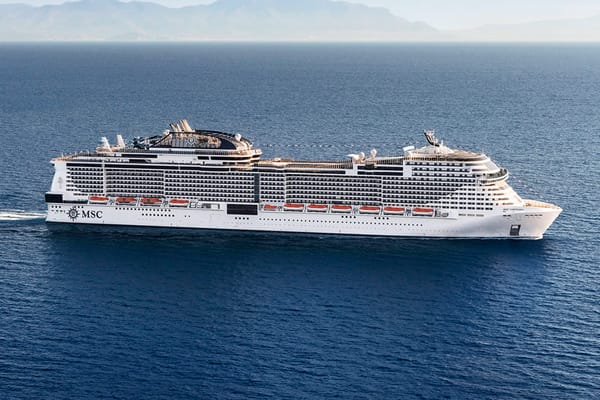
MSC Cruises and Virgin Voyages completed their first Seattle homeport seasons. The 2,550-passenger MSC Poesia operated seven-night Alaska voyages departing Mondays from Pier 91. Virgin began Seattle departures on May 21, offering seven- to 12-night Alaska itineraries aboard the 2,770-guest Brilliant Lady.
The season also included Elliott Bay’s first LNG bunkering operation, completed by Star Princess. Renewable sources accounted for 3% of the LNG supplied. LNG can reduce local air pollutants, but its overall climate benefit depends on supply-chain methane leakage and unburned methane released by engines.
For 2027, Seattle forecasts 326 cruise calls and approximately 2 million revenue passengers. The port also needs to be clearer about its shore-power timetable. Its season-end announcement cited 2028 as the target for full use by homeported vessels, while its published requirements make connection mandatory in 2027.
A full-use target and a connection mandate are different measures. But the date cruise lines need circled is 2027. The 2028 target does not give them another season of optional connections.
See cruises departing Seattle on Cruise Lookup.