ORCA Urges Cruise Lines to Curb Cumulative Wildlife Disturbance
Jones cited type B1 killer whales in Antarctica, which may receive several ship visits a day; ORCA has observed malnutrition linked to reduced foraging.
Wildlife Excursions Need More Than Well-Behaved Operators
One boat spends 15 or 20 minutes watching a group of animals, then leaves. Another arrives. Each operator can follow responsible practices while the animals remain under observation throughout the day.
That warning from Steve Jones, chief operating officer of marine conservation charity ORCA, deserves more attention than another assurance that an individual excursion meets the rules. I’d make the combined pressure on wildlife the test of a responsible program. Good conduct by each boat cannot be enough if the overall schedule still causes harm.
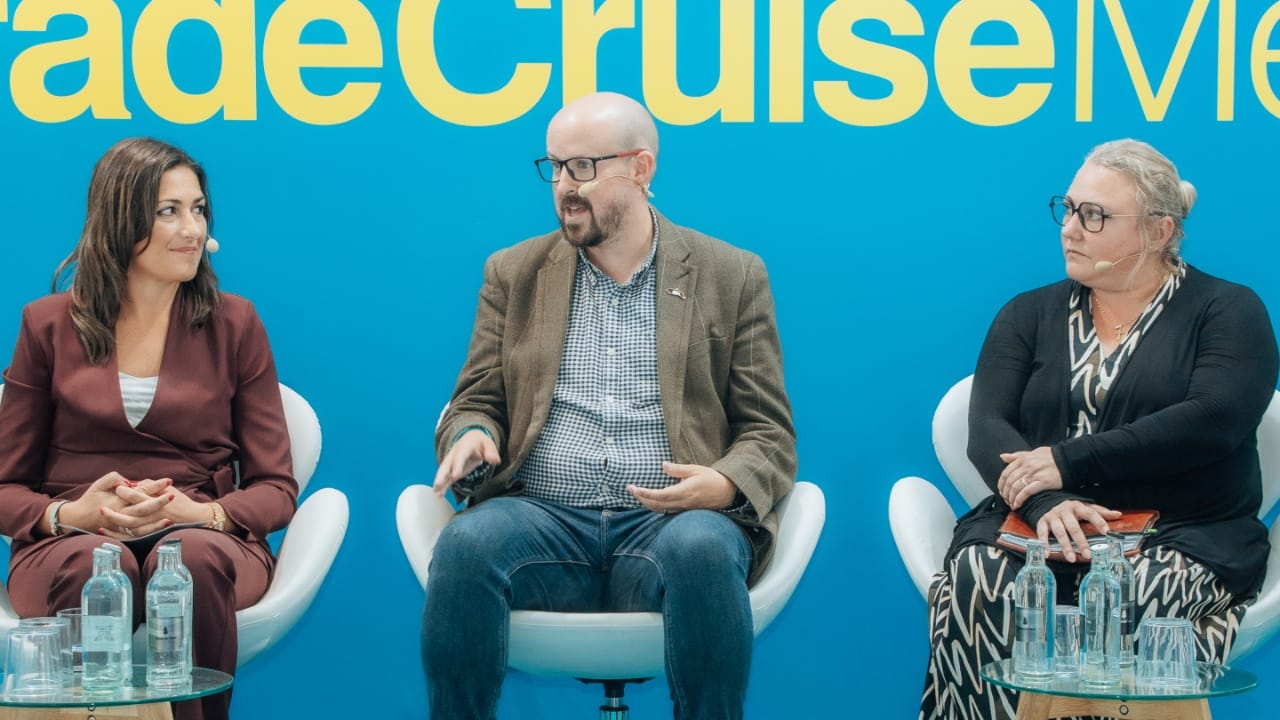
Jones was speaking during the “Leave Something Behind: Responsible Shore Experiences” panel at Seatrade Cruise Med in Las Palmas de Gran Canaria, Spain, alongside representatives of MSC Cruises, AIDA Cruises and Intercruises Shoreside & Port Services.
He cited type B1 killer whales in Antarctica, which may receive several ship visits daily. “We see malnutrition in those species because we don't think they're foraging as well,” he said.
The problem is cumulative disturbance. “Even though no one individual operator is doing anything wrong, the overall management of that experience can definitely have an impact,” Jones said.
Independent checks cannot do the whole job
MSC’s vice president of shore excursions and destination experiences, Marialuisa Iaccarino, distinguished between reducing tourism’s negative effects and maximizing its positive contribution to destinations and residents. It is a useful distinction, but reducing harm remains a basic obligation.
Jones said ORCA reviews MSC’s wildlife excursions to provide independent validation. The charity also deploys Ocean Conservationists aboard ships, combining passenger education with scientific data collection.
AIDA’s director of shore excursions, Sandra Neffgen, said her line works through local partners with close links to destination stakeholders, using certification and inspections to check animal welfare.
Those checks have a clear purpose. They also leave a management problem that no inspection of a single operator can settle. Someone has to account for what happens before that operator arrives and after it leaves. Jones described wildlife regulation as a “minefield” of voluntary and mandatory requirements with widely varying standards.
Make uncertainty clear before purchase
Passenger expectations make restraint harder. Jones said wildlife documentaries can leave travelers anticipating a humpback whale breaching just 50 feet from their Zodiac. Some guests have spent thousands of dollars specifically to see a particular animal.
AIDA explicitly warns guests that sightings cannot be guaranteed. I’d rather see that message stated plainly before purchase than leave an excursion team to explain it when everyone is already waiting with a camera.
“Responsibility starts long before the guest even gets off the ship at the port,” Jones said. He urged cruise lines and tour partners to agree on how encounters are presented, supported by onboard education. Neffgen added that lines should help passengers understand appropriate behavior ashore even when they explore independently.
The panel also warned against conflicting messages across excursion, marketing and communications teams. Promoting wildlife protection in one part of a brochure while offering intrusive dolphin encounters elsewhere gives passengers two different versions of acceptable behavior. The product being sold is a more persuasive message than the conservation copy beside it.
Deeper experiences still have limits
Iaccarino said passengers increasingly want direct contact with destinations, including conversations with local people and outdoor activities. She attributed changes in excursions to both business initiatives and customer demand, and said feedback and data inform decisions.
Anja Wilde, Intercruises’ business development manager for Spain, described particular interest in active excursions among younger travelers and a shift toward spending an entire outing in one place rather than making three or four stops. A cooking excursion might involve visiting a farm, gathering ingredients alongside a chef and eating the dishes there.
That sounds like a better use of time to me than racing through a checklist. It also requires accepting the venue’s limits. The panelists cautioned that small sites cannot sustainably take hundreds of visitors each hour. Bus departures, time on site and passenger movements need coordination, they said, with guests directed elsewhere when necessary. They also called for closer ties to local communities and associations.
Jones suggested alternative locations where wildlife can also be viewed sensitively. He also noted that responsible practices may be a “secondary purchase driver” when two excursions are otherwise equivalent, rather than the reason a guest initially chooses one.
So this cannot depend on passengers choosing the responsible option. Cruise lines and their partners have to define what can responsibly be offered. For wildlife encounters, that means being willing to tell the next boat there is no slot.