Cruise Lines Should Emphasize Bundled Value for Younger Travelers
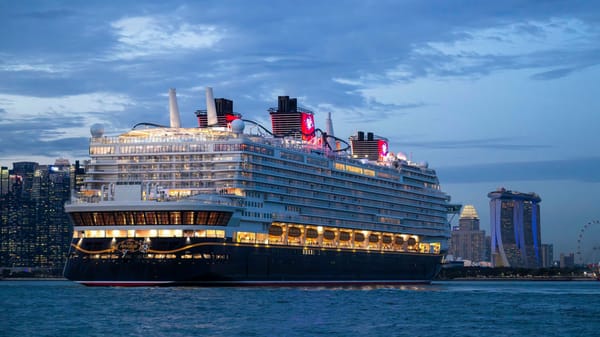
For 2027, Disney Cruise Line fares cited by Bloomberg range from $884 per couple for a three-night sailing from Singapore to $66,034 for a five-night Mediterranean cruise.
Cruising’s Value Pitch Deserves Better Than the $75-vs.-$174 Comparison
A cruise fare of about $75 a night looks awfully good beside a $174 hotel rate. Until you notice that the cruise price is per person and the hotel price is per room. I’d leave that shortcut out of the case for cruising, especially when the passenger figures offer something more persuasive.
According to figures reported by Bloomberg, passengers under 45 now account for about 45% of customers at adults-only Virgin Voyages, up from 32% in 2021-2022. At Royal Caribbean, millennials and Generation Z represented roughly half of passengers in the second quarter.
Younger travelers are already buying cruises. The more useful discussion is what they get for their money, rather than whether two differently measured prices make a cruise look cheaper.
The bundle makes a better argument
Bloomberg linked younger travelers’ interest in cruising to pricing relative to land-based vacations and the exposure shipboard attractions receive on social media.
The price benchmarks came from the American Automobile Association’s travel information platform, which put average cruise fares at about $75 per person per night, and Hotels.com, which put the average price paid for a U.S. hotel room in the preceding year at about $174 a night.
Those figures do not establish the savings on a comparable vacation. They use different units, before even getting to what each purchase includes.
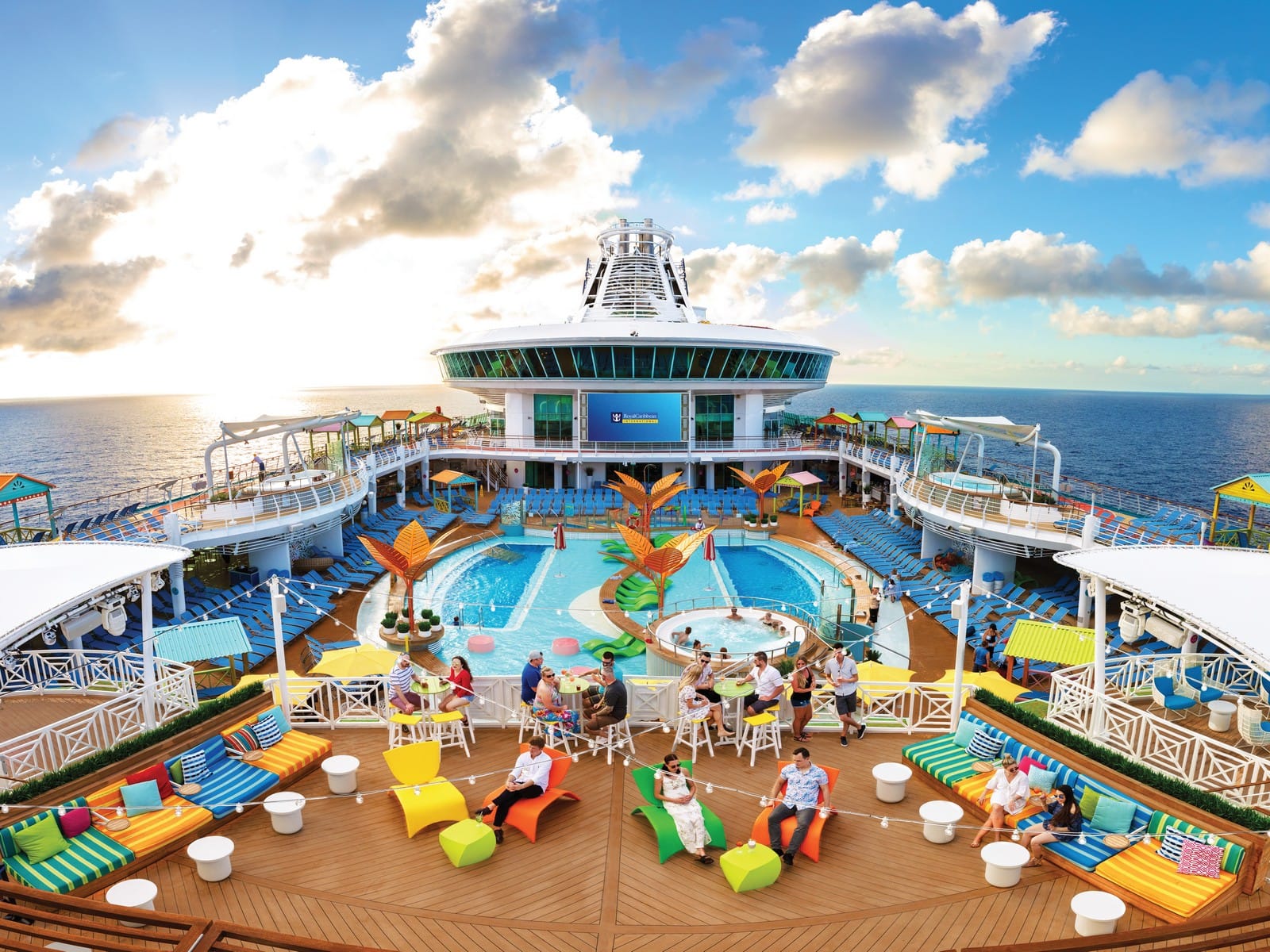
That second point is where cruising has a useful argument. Bloomberg described the cruise fare as covering accommodation, meals and onboard amenities, along with the opportunity to visit several destinations during one trip. A hotel room rate does not describe that same package.
A one-day ticket to Walt Disney World Resort in Florida starts at $119 per person. That is a separate attraction charge, rather than a combination of lodging, food and onboard facilities. It helps explain the appeal of bundling several parts of a holiday into one fare. It still does not settle the total cost comparison.
I’d sell the contents of that bundle harder than the headline average. It gives a prospective passenger something concrete to assess.
Younger customers, at very different prices
Royal Caribbean Group chief financial officer Naftali Holtz previously said total passenger numbers had increased 45% since 2019, while the number of millennial passengers had nearly doubled. The group’s wholly owned brands include Royal Caribbean International, Celebrity Cruises and Silversea Cruises.
Go-kart tracks, virtual-reality arcades, zip lines and roller coasters feature among the amenities circulating on social media and drawing younger travelers’ attention.
Disney Cruise Line is also targeting younger customers. Its newest ship features adults-only bars with concepts drawing on Star Wars, haunted-house attractions and cocktail menus.
But the Disney fares cited by Bloomberg are a useful check on any blanket bargain story. For 2027, they range from $884 per couple for a three-night sailing departing Singapore to $66,034 per couple for a five-night Mediterranean cruise. These are different itineraries, regions and voyage lengths, not interchangeable examples of what a Disney sailing costs.
Cruising has a credible value proposition and a growing younger audience. Neither needs dressing up with mismatched benchmarks. A value pitch gets weaker when readers have to fix the comparison themselves.