Aquafil Carpet Reaches 70,000 Square Metres in Cruise Refits
The carpet is part of AIDA Evolution, a seven-ship Sphinx-class modernization scheduled through 2028; AIDAdiva work began in Marseille in February 2025.
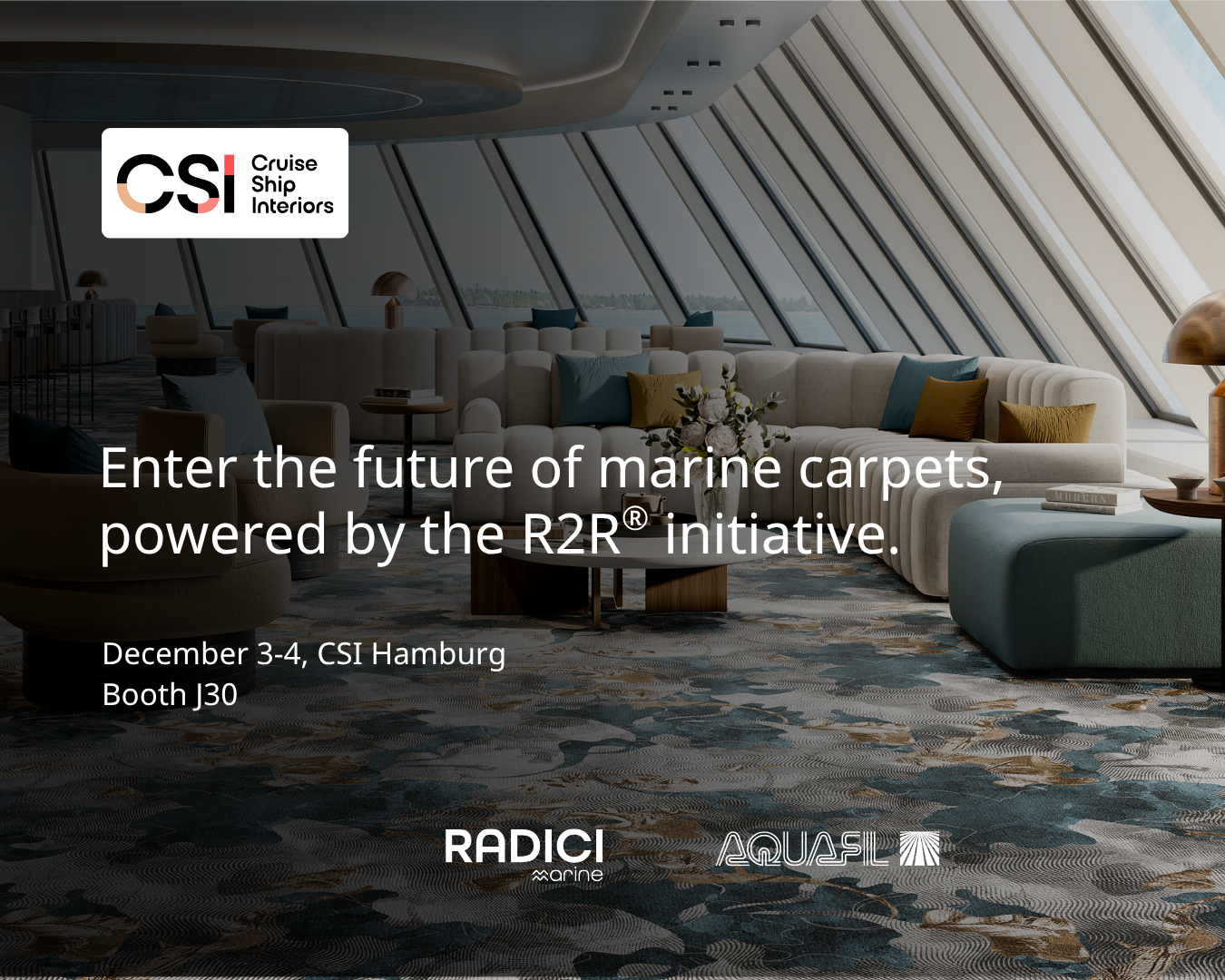
Aquafil puts the volume of Bloom Back R2R carpet across AIDA Cruises and Costa Cruises refurbishment work at roughly 70,000 square metres, two years after entering the cruise market. The nylon producer is now defining technical and supply requirements for more AIDA ships, while two Costa refurbishments are in development and another is in the final approval phase.
The carpet is IMO-certified. It is also going into AIDA Evolution, a seven-ship Sphinx-class modernization program scheduled to continue through 2028.
“Our partners at AIDA Cruises and Costa Cruises recognise they can achieve circularity without compromising on aesthetics, quality or durability,” said Cristina Stefani, marketing strategist for circularity projects at Aquafil.
AIDA and Costa refurbishment pipeline
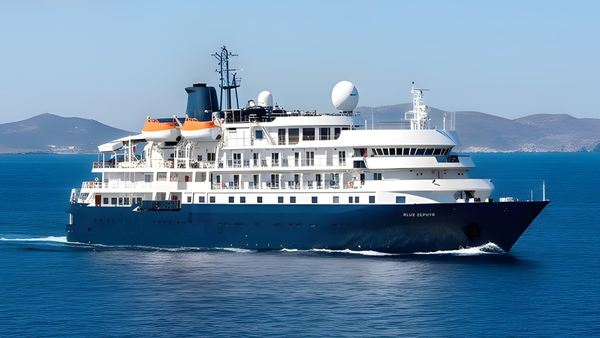
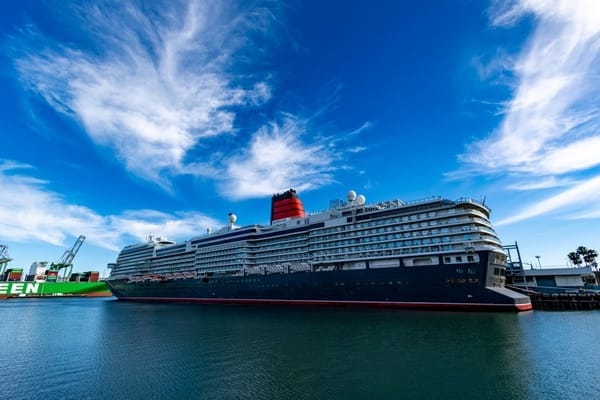
Aquafil has been selected for the first three AIDAselection refurbishment projects aboard AIDAdiva, AIDAluna and AIDAbella. The first phase began with AIDAdiva at Chantier Naval de Marseille in February 2025, with work on the other two ships scheduled through 2026. The wider modernization program combines a full interior redesign with upgrades to technical systems.
Work has moved into specification and supply planning for sister ships AIDAblu, AIDAsol, AIDAmar and AIDAstella. Aquafil is working with carpet manufacturers, architects and shipowners during the design phase to revise specifications around material selection and end-of-use recovery.
On the Costa fleet, installations have been completed aboard Costa Serena, Costa Smeralda and Costa Toscana, including carpet in public spaces. Stefani did not identify the vessels or project dates for the additional Costa work.
Designing carpet for recovery and marine compliance
Bloom Back was developed by Italian manufacturer Radici Marine using Aquafil’s ECONYL regenerated nylon 6. The tufted cut-pile carpet uses a single-component, 100% polyamide construction intended to allow the material to be recycled after removal.
Marine floor coverings are regulated under SOLAS Chapter II-2 and the IMO’s 2010 Fire Test Procedures Code. Carpet installed in general areas such as corridors and stair enclosures is generally subject to the code’s Part 5 surface-flammability test and Part 2 smoke-and-toxicity requirements; cabin carpet typically requires Part 2 compliance.
Aquafil faces existing procurement specifications that may not address recyclability and supply agreements that can run for several years. Recovery also depends on collection and processing infrastructure after materials are removed during a refurbishment.
The company is working with Oceancircle to collect and process discarded materials. “The transition from ‘install and discard’ to ‘install and recover’ requires a coordinated effort,” Stefani said.
Next materials under review
Aquafil is examining upholstered furniture and decorative textiles as additional marine product categories. Stefani said any expansion will require cooperation with partners from the research and development stage to ensure the materials meet IMO requirements.
“Our next challenge is to see if every nylon component onboard can be tracked, recovered and regenerated,” she said.