AIDA Partners With Fraunhofer to Assess Carpet Recycling Impact
Fraunhofer UMSICHT will begin with AIDA’s existing carpet-recycling methods, using life-cycle assessments and material-flow analyses before studying other materials.
AIDA Is Right to Put Its Carpet Recycling to the Test
Discarded curtains, canopy fabrics and carpets are finding another use beneath new carpeting on AIDA ships. That is a practical place to start with recycling during a refit. The better decision is bringing in researchers to establish what those processes actually achieve environmentally.
I’d rather see that work than another announcement leaning on the word “recyclable.” Giving a material another use and proving an environmental benefit are different things. AIDA’s new research partnership should help put numbers behind the practice.
The cruise line is developing “Recycling Loops in Cruising: Rethought” with Futouris e.V., Oceancircle and the Fraunhofer Institute for Environmental, Safety and Energy Technology UMSICHT. The partners will scientifically evaluate existing recycling practices for ship interiors and identify further opportunities to reuse, refurbish and recycle materials.
Start with the carpets already being replaced
The work builds on AIDA Evolution, the roughly €700 million modernization program launched in 2025. Alongside technical and energy-efficiency upgrades, that program includes renewing cabins, restaurants and other interior spaces.
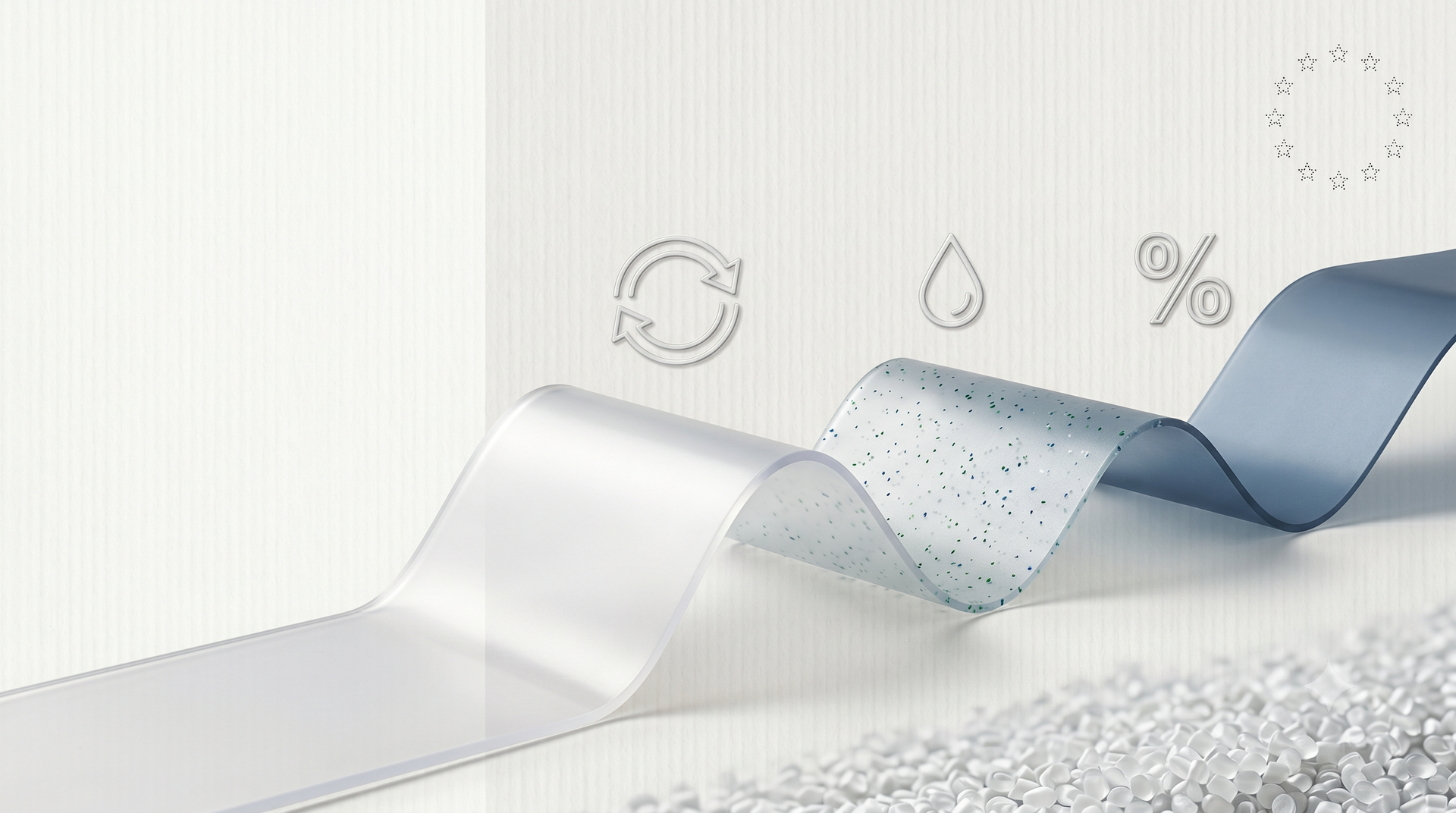
Working with Oceancircle, AIDA has been processing discarded interior textiles and carpets for other uses, particularly underlay beneath newly installed onboard carpeting. The project also includes AIDA’s first use of carpeting described as 100 percent recyclable.
That description tells us about the material’s potential. It does not, by itself, tell us the environmental result of recycling it. The announcement included no quantified environmental savings from the existing practices.
Fraunhofer UMSICHT will carry out life-cycle assessments and material-flow analyses, as well as engage stakeholders in the study. The initial focus will be the carpet-recycling approaches already in use, with additional materials to follow.
Oceancircle will contribute its experience implementing those processes. AIDA will provide operational knowledge from its ships and modernization work. The partners will also trace materials and substances through ship interior fittings.
A useful test for a substantial refit program
There is a concrete refurbishment schedule behind this work. AIDAdiva underwent a seven-week dry dock in Marseille in February and March 2025. AIDAluna’s October–December 2025 refit included upgrades to guest and crew areas.
AIDAmar is scheduled for work from November 1 to December 20, 2026, followed by AIDAblu from January 24 to March 14, 2027. That makes existing refit practices a sensible research subject.
Futouris will coordinate the partnership. Planned outputs include practical recommendations for cruise operators and an industry guide. The partners will also examine whether the results could apply to hotels. No publication date for the guide was announced.
“It is also crucial for us to make the findings usable for the entire industry,” said Swantje Lehners, managing director of Futouris e.V.
That is the standard I would hold the project to: evidence another operator can use when deciding what to retain, refurbish or recycle. For a €700 million modernization program, “we found another use for it” should be the starting point, not the environmental verdict.