Wrangell Faces 12,000-Fewer Cruise Visitors in 2027
Small ships made up 79 of Wrangell’s 117 scheduled calls in 2025 but accounted for about 7,685 projected passenger visits at full capacity.
Wrangell’s cruise slowdown puts grant-matching money under pressure
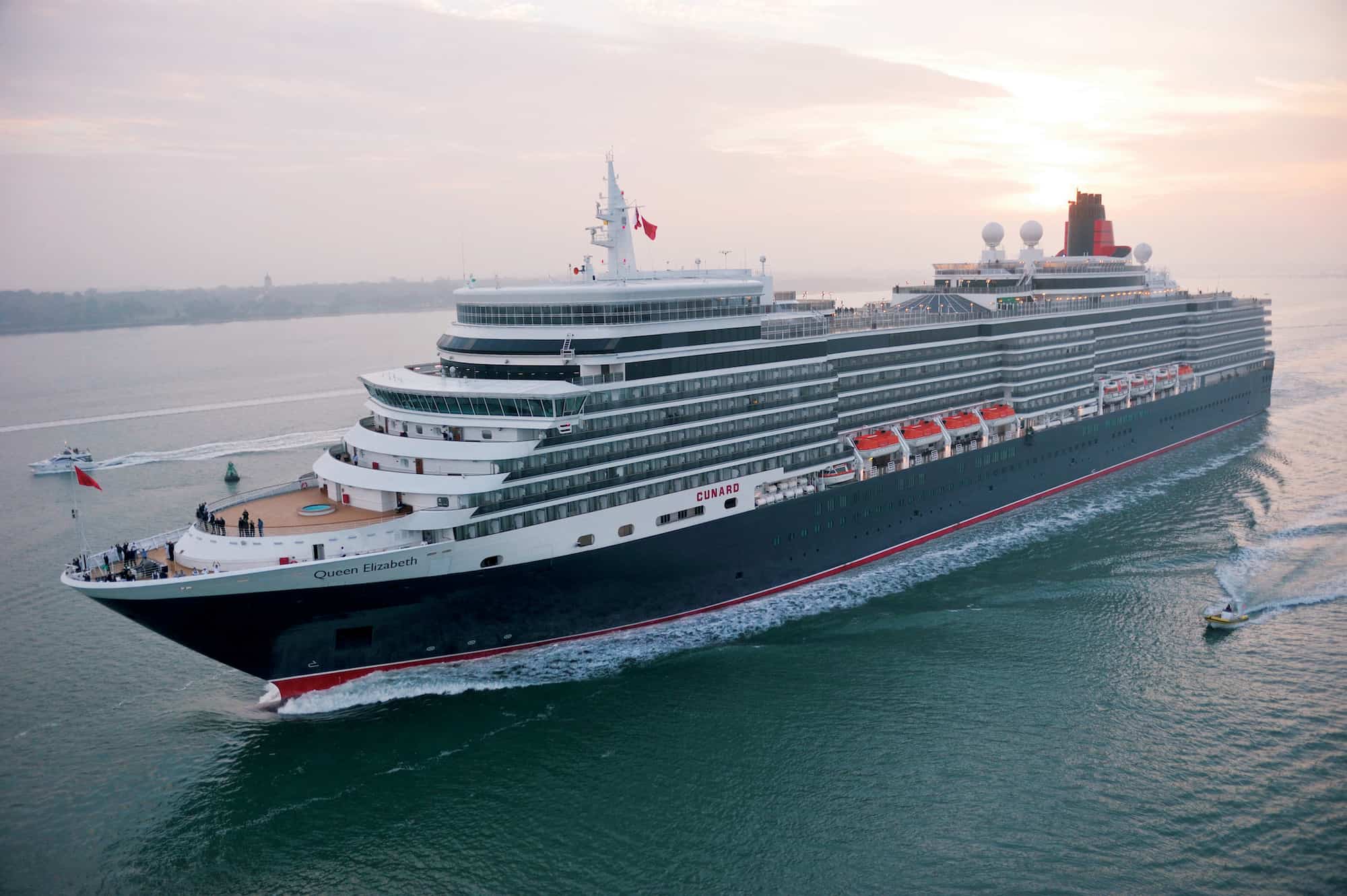
Queen Elizabeth’s absence from Alaska is expected to take about 12,000 cruise visitors out of Wrangell’s 2027 season. For a town that recorded 37,600 cruise passengers in 2025, that is a substantial loss from a single ship’s deployment change.
But the consequence deserves more attention than the passenger count. Wrangell uses cruise passenger-tax revenue partly to provide matching funds for grants supporting larger projects. Less cruise income can mean less money available to help secure funding from elsewhere. I’d put protecting that capacity high on the borough’s priority list.
Queen Elizabeth, which carries nearly 2,100 passengers, is scheduled to operate in the Mediterranean in 2027.
Economic Development Director Kate Thomas has not put a dollar figure on the anticipated revenue loss. “We will see it most prominently in the Port Development Fund and the Commercial Passenger Vessel Fund,” she said.
A busy schedule is not the same as a big passenger total
The 2025 total, from Alaska Travel Industry Association figures, was up 57% from 24,000 in 2024. The schedule prepared for 2025 anticipated roughly 42,000 passenger visits across 117 calls if ships sailed at full capacity. Small ships accounted for 79 of those scheduled calls, but only about 7,685 projected passenger visits. The lineup also included Nieuw Amsterdam, Grand Princess, Ruby Princess and Westerdam.
That distinction matters when reading a port schedule. Plenty of ship calls can keep a waterfront active without producing the passenger totals associated with larger vessels. Larger ships also pay more to berth in Wrangell, Thomas explained, so losing them affects another revenue source.
The budget impact is still unpriced
Alaska’s Commercial Passenger Vessel Excise Tax is generally $34.50 per passenger per voyage on qualifying vessels. Under AS 43.52.200–43.52.295, it applies to ships carrying more than 250 passengers, providing overnight accommodation and traveling in Alaska waters for more than one night. Wrangell receives passenger-tax revenue passed through by the state.
The borough uses those proceeds for local infrastructure, quality-of-life projects and grant-matching contributions. The projected loss of 12,000 visitors is not, by itself, a calculation of the borough’s revenue shortfall.
Thomas said Wrangell prepares for fluctuations in visitor numbers. “To a certain degree, we do have to recalibrate what our priorities are, and we do that year over year,” she said.
The lower forecast does not necessarily mean changes to projects already planned. A quieter season could also make visitor activity more manageable in town.
There is value in that breathing room. But grant-matching money deserves particular protection during the annual budget review.