Villa Vie Lender Takes Possession of Odyssey After Fuel Crisis
Sagar Capital said its review of Villa Vie’s accounts found more debt than expected after 169 residents pledged funds toward an Odyssey purchase.
Odyssey’s Failed Rescue Shows the Limits of Asking Residents for More Money
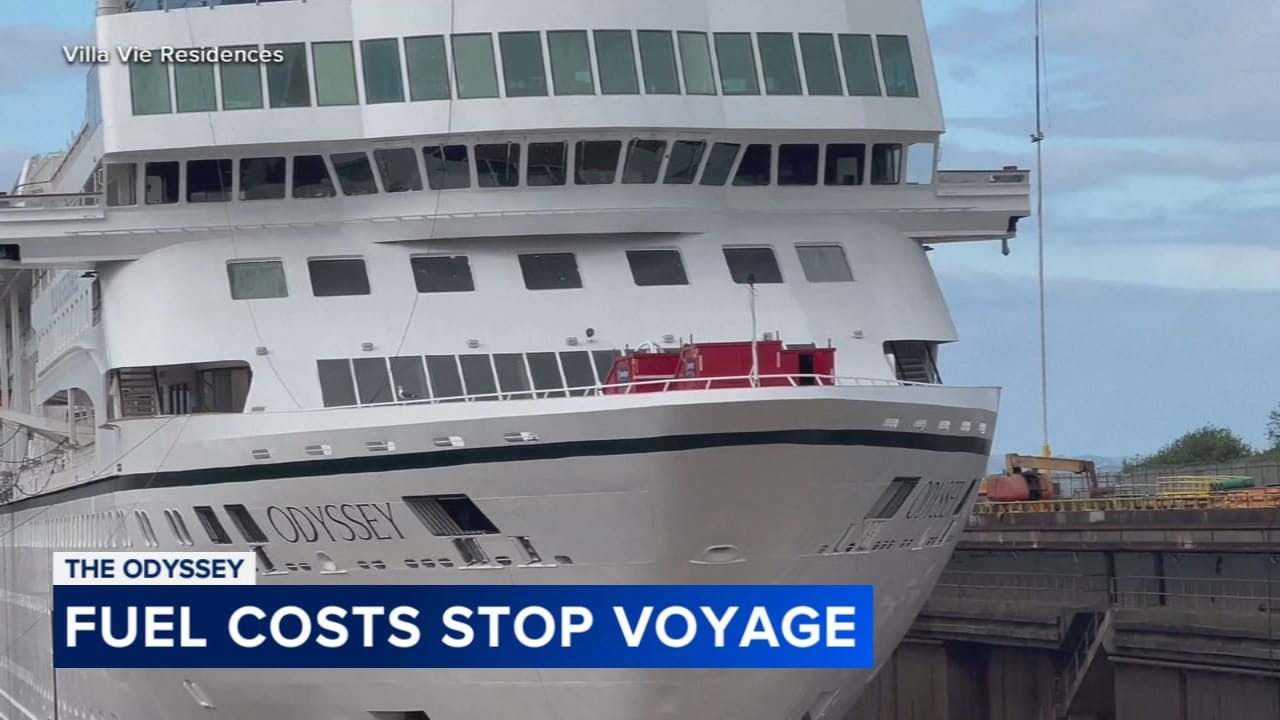
A proposed purchase of Odyssey, the former Fred. Olsen Cruise Lines ship Braemar, attracted pledges from 169 residents willing to contribute more money. It still fell apart after a lender declined financing. Sagar Capital LLC, which pursued the resident-backed acquisition, said its examination of Villa Vie Residences’ accounts uncovered considerably more debt than anticipated.
That is a serious obstacle to another resident-funded rescue. I would want a clear account of those debts and a credible operating budget before asking cabin owners for another dollar. Residents have already shown they will contribute. The finances remain unresolved.
Villa Vie’s lender has now taken possession of Odyssey, which departed Sihanoukville, Cambodia, on November 4 without passengers, a week after 203 residents were ordered ashore. Singapore was listed as its destination.
Founder and Executive Chairman Mike Petterson confirmed the takeover to CBS News, saying the lender was now responsible for funding the crew, fuel, operations and safekeeping. Villa Vie is seeking financing to recover the ship and looking for an operating partner, but executives have cautioned that refinancing is not guaranteed.
CBS News reported that a Singapore auction was possible. A company message to residents said no sale had been scheduled. The departure itself establishes neither a sale nor a return to passenger service.
The appeals for resident money began before the shutdown
An April fundraising letter reviewed by Cruise Industry News sought $3 million in emergency loans from residents. It offered annual interest rates of 12% to 24%, monthly interest payments and repayment of principal after a year. Whether the appeal raised the requested amount could not be established.
Those are substantial interest commitments for an operator seeking emergency cash. Residents considering such an offer were being asked to put more money at risk on top of what they had already committed to their cabins.
Former resident Pamela Reckamp also told NBC News that a company official asked cabin owners at an early September meeting to help raise $1 million so Odyssey could leave Ha Long Bay, Vietnam. Petterson has acknowledged seeking additional contributions, telling CBS News that management and residents owned the company as shareholders.
That ownership structure explains why residents might participate in a rescue. It does not make the ship’s debts easier to repay, or remove the personal consequences when the operation stops. These shareholders also depended on the vessel for somewhere to live.
Fuel costs explain the immediate crisis
Villa Vie suspended operations on October 27, saying it could not secure the fuel needed to continue. The company attributed its losses to higher fuel prices associated with the Iran war. It said estimated monthly fuel expense per cabin in parts of Asia had reached $6,000 to $8,000, against a historical average of approximately $1,800.
The operator had slowed the ship and extended port stays to conserve fuel, but said those measures could not offset the increase. Passing the entire additional expense to residents was not feasible, according to the company.
Captain Emanuele Giudice told the Cambodia China Times that the shortage required a generator and a chiller to be shut down. Explaining the disembarkation decision, he said “our fuel situation was critical.” A planned October 28 departure was delayed because fuel had not arrived.
On Villa Vie’s own figures, slower sailing was never going to absorb that. But the emergency fundraising appeals show that the financial pressure preceded the shutdown. Any recovery plan needs to address the wider financing problem, rather than simply secure enough fuel for the next departure.
Residents are paying for the interruption ashore
Odyssey sailed with approximately 50 crew members aboard, Taing Sochitkrishna, head of Sihanoukville’s tourism department, told Reuters.
Accounts differ over how much notice residents received before disembarkation. Some said they had about seven hours to pack and leave. Giudice said they received more than 24 hours. Residents were subsequently allowed back aboard to collect additional belongings, although some possessions remained on the ship when it departed.
“There are still many things on the ship that I wish I could take with me,” resident Shirine Thomas told Reuters after collecting belongings on November 3.
Sochitkrishna said around 100 passengers remained in Cambodia, while others had traveled elsewhere in the region. Cambodia’s Ministry of Tourism arranged hotel discounts of 40% to 50%, and officials offered help with accommodation and onward travel.
Villa Vie said it was helping identify temporary accommodation. Residents disputed the extent of that support. Lanette Canen said the company provided luggage handling and port shuttles but had not paid hotel bills. No comprehensive refund plan for cabin owners or date for resuming voyages has been announced.
Discounted accommodation helps, but it still leaves residents with bills while access to their cabins is gone. There are unresolved crew concerns too. Resident Tom Carter told NBC News that some crew members had gone a month or longer without wages and lacked money to travel home.
A restructuring still needs someone to fund it
Villa Vie has considered Chapter 11 bankruptcy protection. In a message to residents, it estimated that proceedings could require about US$3 million during the first 60 days. Its proposed funding structure combined debtor-in-possession financing, resident maintenance payments, fresh capital and experienced operators. No financing agreement or transaction has been finalized.
Petterson told CBS News that restructuring could take 30 to 90 days and said the lender would be “willing to work with a funded plan.” That timetable is an estimate, not a confirmed return date.
A funded agreement would give residents something concrete to assess. For now, there is a lender-controlled ship, a failed purchase attempt and a restructuring proposal that still includes their money. Before residents are asked to finance another rescue, they deserve to know exactly what debts they are stepping into and what will actually get their ship back.