Penn Proposes Dedicated Water Plant at Tortola Cruise Pier
Penn said existing reservoirs empty quickly and take time to refill from water pumped from Sabbath Hill, calling for community reserves lasting at least a week.
Tortola’s cruise water sales need a separate supply
Supplying cruise ships from a strained public water network while residents face prolonged outages is a poor arrangement. I’d back investment in a separate supply at Tortola’s cruise pier, particularly one designed to put more water into the surrounding community as well.
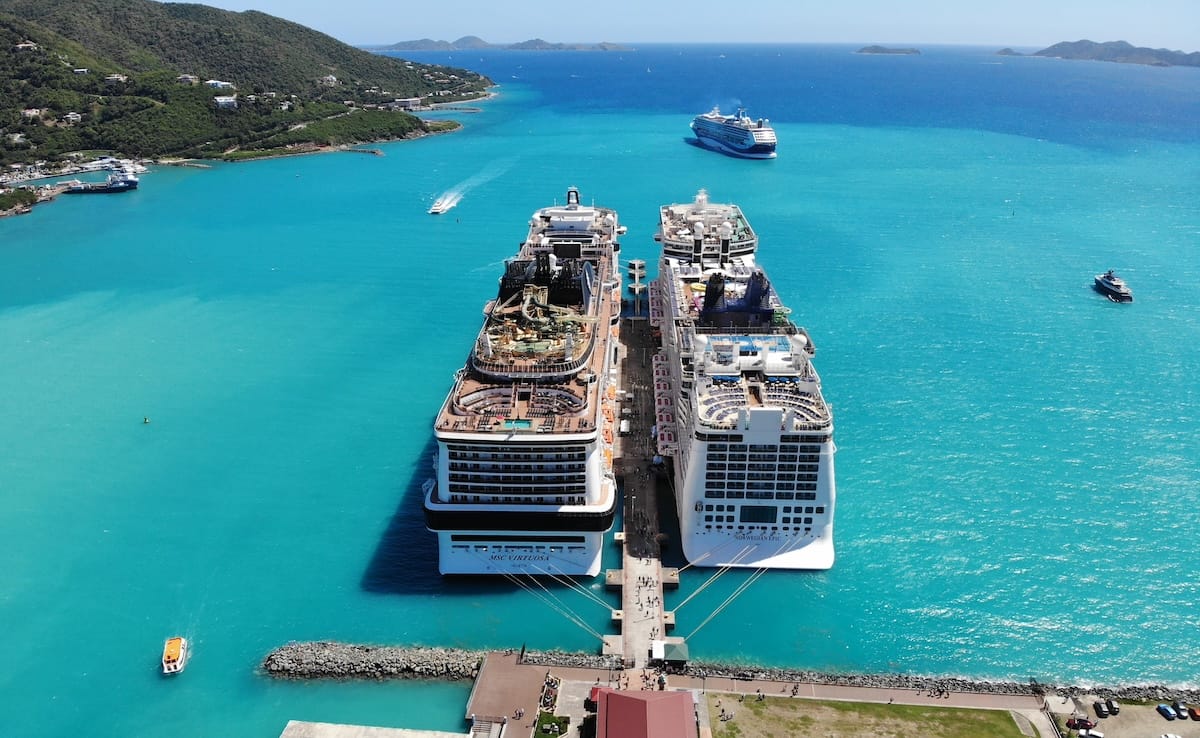
That is what British Virgin Islands Opposition Leader Marlon Penn is proposing for the Cyril B. Romney Tortola Pier Park in Road Town. He wants a dedicated water production plant and storage facility that could sell water to visiting vessels, generate revenue and provide additional supply to the Road Town area.
The useful part of this proposal is the additional capacity. Giving ships a separate source would reduce their demand on the public distribution network.
Speaking recently on an NDP podcast, Penn said cruise ships were purchasing a substantial share of the water leaving the network during the cruise season. But the infrastructure proposal has merit without making cruise ships responsible for the territory’s wider water problems.
The storage deserves equal attention
Communities across the territory continue to experience frequent interruptions, low pressure and prolonged outages despite repeated government commitments to improve service. A separate supply for vessels would address one demand on the network. Residents also need reserves when distribution stops.
Penn identified insufficient storage as a major weakness. Existing reservoirs, he said, empty quickly and take considerable time to refill because they depend on water pumped from Sabbath Hill.
Alongside production and storage at the cruise pier, he called for larger reserves in densely populated communities, sufficient to provide residents with at least a week’s supply.
I’d give that part of the proposal as much weight as the plant itself. Revenue from ships is useful, but a week’s reserve answers a much more immediate question for residents: how long they can manage when the supply is interrupted.
Penn also faulted the government’s approach to water projects. “We don’t know what the plan is. We’ve been asking for it,” he said, pledging to keep pressing the administration for answers.
His proposal deserves a place in that discussion, judged on concrete terms: more production at the pier and less demand on the public network, with usable reserves for communities. Water-sales revenue alone would be a thin result for residents still waiting for reliable service.