Oslo Plans Cruise Passenger Levy From 2027
Although framed as a passenger levy, the charge would be paid jointly by a ship’s owner, operator and agent, with cruise lines deciding whether to pass it on.
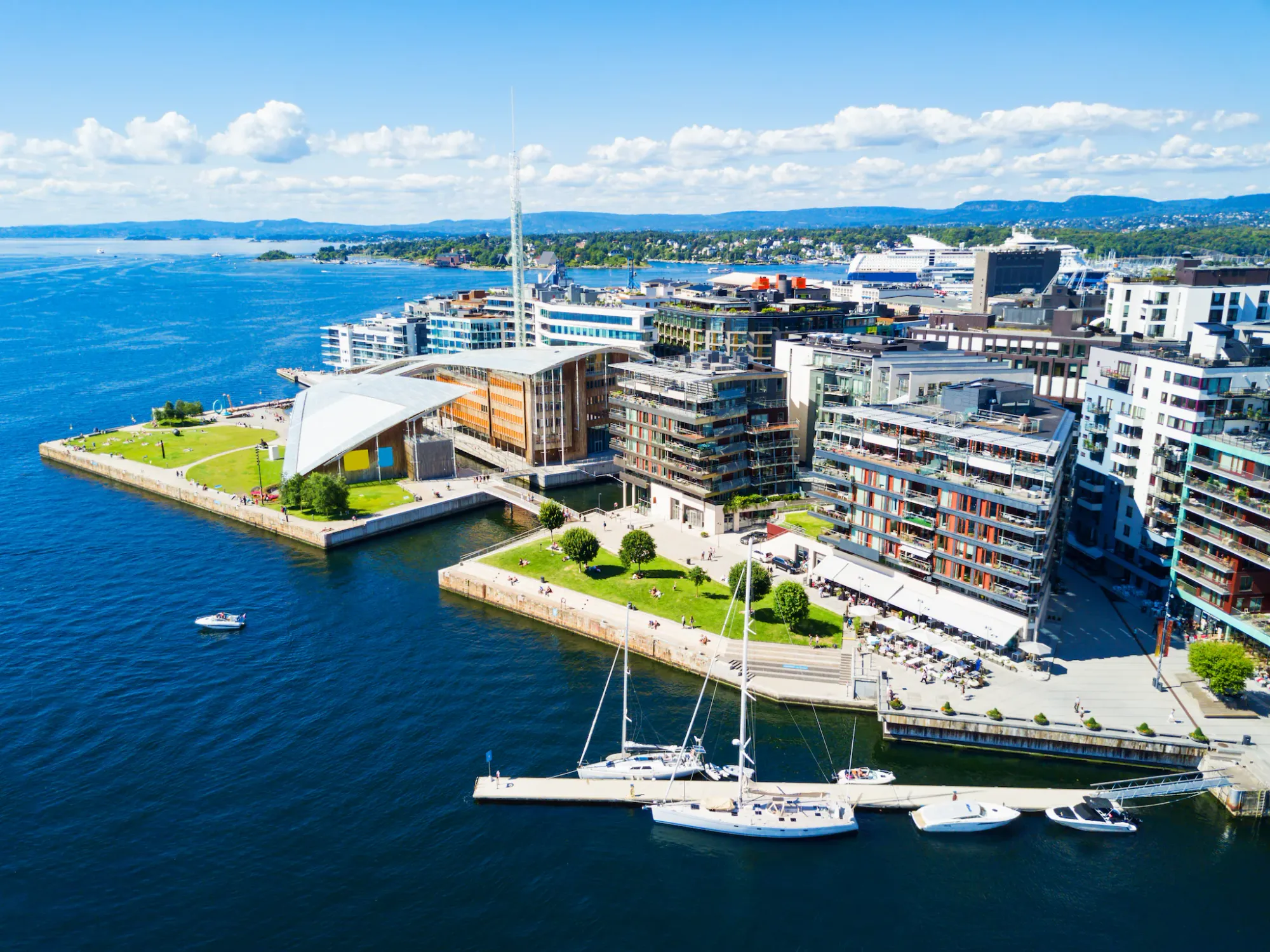
Oslo wants cruise visitors to help pay, but leaves other arrivals out
Oslo plans to introduce a cruise passenger levy from 2027, while tourists arriving by other forms of transport would face no comparable city charge, according to Aftenposten. That distinction deserves more scrutiny than the proposed price tag.
I’d support a visitor contribution that pays for toilets, cleaning and well-maintained public spaces. Those are useful things to fund. But there is nothing particularly cruise-specific about a park or a hiking trail. Oslo needs to make a convincing case for collecting from one category of visitor while leaving the others out.
Under Norway’s proposed national framework, municipalities could charge up to NOK 100, approximately $10, per passenger for each commenced 24-hour period a ship spends in port. Oslo estimates annual revenue of about NOK 40 million, or $4 million, Aftenposten reports. The levy still needs Oslo City Council approval, and the national cruise regulations have not been finalized.
Environment and Transport Councillor Marit Vea cited additional demand for public toilets and cleaning, as well as wear on parks and hiking trails.
“The city council wants to avoid ending up in a situation where wear and tear grows faster than we are able to increase budgets,” Vea said.
The passenger figures give Oslo a credible reason to address that pressure. Port of Oslo recorded 331,241 cruise visitors in 2025, up approximately 26% from the previous year. In the first quarter of 2026, it handled 73,051 passengers across 23 calls, compared with 41,156 passengers and 11 calls in the same period of 2025.
The ship gets the bill
Although described as a passenger levy, the proposed charge would be payable to the municipality by the ship’s owner, operator and agent, which would be jointly responsible. Passengers would not be asked to pay at the quayside.
Each cruise line would decide whether and how to recover the expense through fares or passenger fees. So a $10 levy would not necessarily appear as a separate $10 item on a guest’s bill.
The national proposal covers time spent in port or putting passengers ashore within a municipality. A conventional daytime call of less than 24 hours would attract one charge per passenger. A stay extending beyond that period could trigger a second charge. That matters for itinerary planning.
AIDA Cruises, Holland America Line, Fred. Olsen Cruise Lines and TUI Cruises have ships scheduled to visit Oslo in 2027. Norwegian Cruise Line, Princess Cruises, Viking, Explora, MSC Cruises and Royal Caribbean also sail to the port.
A restricted fund, with rules still unfinished
The strongest feature of the proposal is that the money could not disappear into unrestricted municipal spending. Revenue must support tourism-related public goods and facilities where visitor numbers substantially increase demand, including infrastructure, toilets, waste collection and recreational areas.
A municipality would have to demonstrate a particularly high tourism burden and produce a spending plan explaining the pressures and how the proceeds would address them. Affected businesses must have an opportunity to provide input. Those requirements should make the proposal more accountable than a general revenue grab.
The Storting adopted Norway’s Visitor Contribution Act in June 2025, with commencement set for July 1, 2026. It allows qualifying municipalities under particularly heavy tourism pressure to introduce an accommodation charge of up to 3% from 2027. Cruise traffic is being handled through separate regulations.
Vestland county supports allowing municipal cruise levies but considers the proposed NOK 100 maximum too high. Its officials warned that the cost could make Norwegian ports less attractive and encourage cruise lines to choose destinations elsewhere. The national government calls the proposed amount moderate and argues that visitors should contribute toward facilities they use.
The government is targeting the first half of 2027 for collection to begin. Whether that timetable holds depends on completion of the national regulations.
Oslo has evidence of growing cruise traffic and a sensible list of things the money could fund. Before approving the levy, Oslo should make a convincing case for charging cruise traffic alone for those shared facilities.