MSC Holds Talks to Buy Control of Meyer Werft
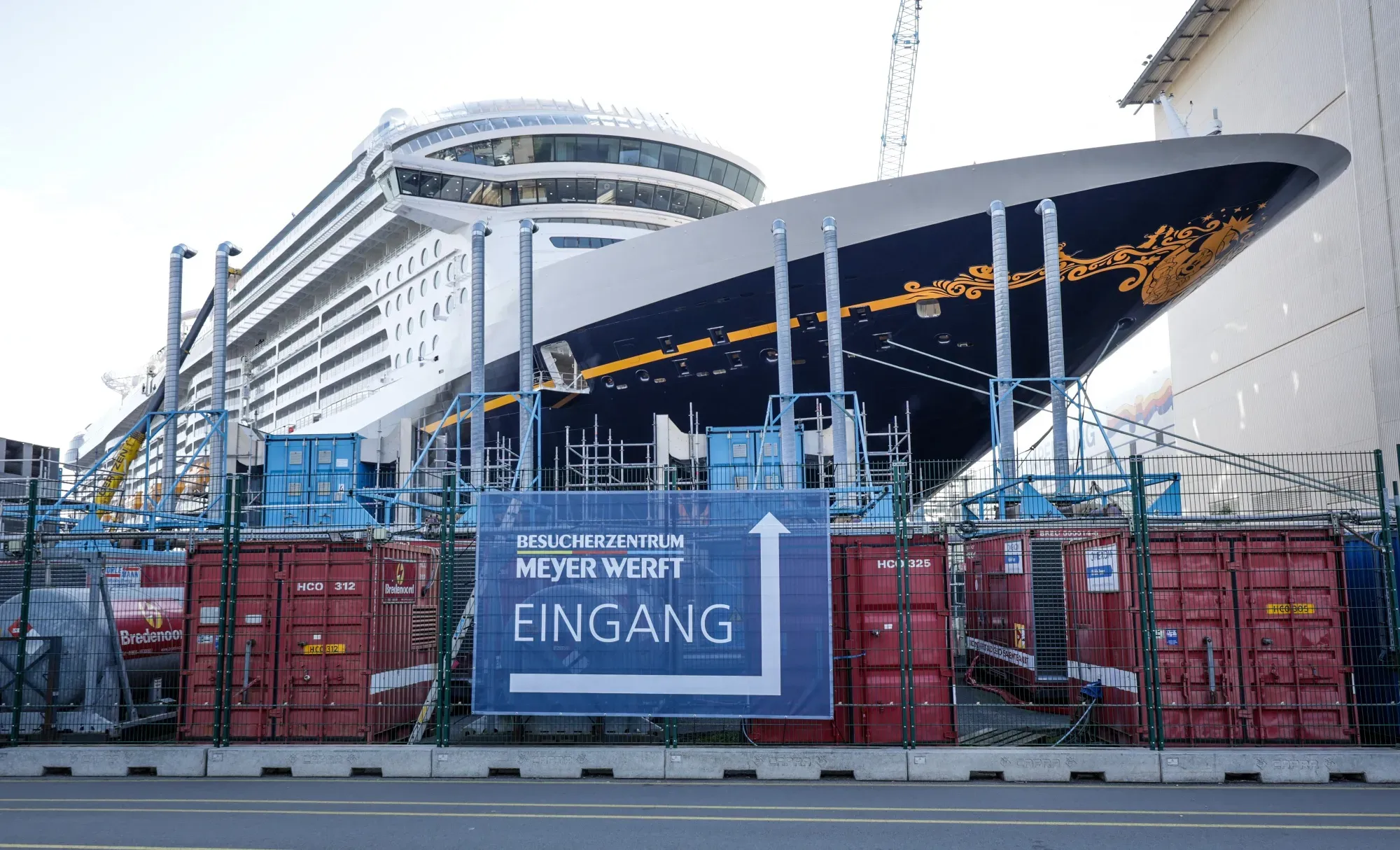
MSC is discussing the 80.73 percent stake held by Germany and Lower Saxony, a sale that would include Meyer Werft’s Papenburg and Rostock facilities.
MSC would be buying Meyer Werft’s contract problems, too
Meyer Werft projected a loss of about €384 million for 2025. Now MSC, whose cruise business is the shipbuilder’s largest customer, is in preliminary talks to buy control. I’d judge this deal by what it does for the yard’s contract and construction-financing problems. A familiar customer taking ownership would not, by itself, fix those.
MSC is discussing the acquisition of the 80.73% stake held by Germany’s federal government and the state of Lower Saxony. A transaction would include the facilities in Papenburg and Rostock, returning the shipbuilder to private control after its government-backed rescue. No final decision has been made, and other bidders could emerge.
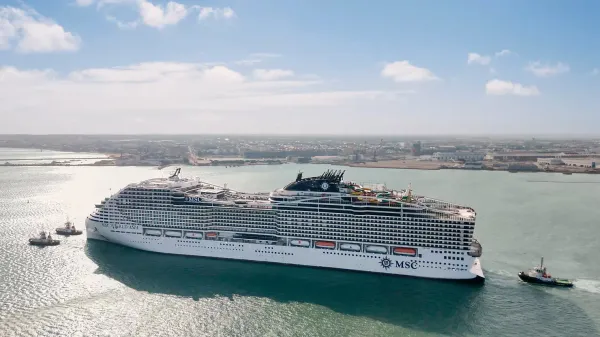
MSC Cruises has a letter of intent for a new class of ships at Meyer Werft, while its Geneva-based parent operates about 1,000 cargo vessels. But becoming a controlling shareholder means taking responsibility for the builder’s finances.
The rescue investment is only part of the deal
The federal and state governments invested €400 million in Meyer Werft and provided €2.6 billion in loan guarantees during the 2024 restructuring. They do not want to sell their holding for less than that equity investment, Bloomberg reported, citing people familiar with the discussions.
The Meyer family retains the remaining stake and has a right of first refusal to repurchase the government shares before 2028. It no longer has management control.
Meyer Werft says it directly employs about 5,000 people, with more than 20,000 additional jobs connected to the company and its regional supplier network. Getting the governments’ investment back would be one measure of a sale. Leaving the shipbuilder financially capable of supporting those jobs is the more demanding test.
Spokespeople for the German government and Lower Saxony declined to comment on the discussions. Meyer Werft also declined to comment, while MSC did not respond to a request for comment.
The next ship contract deserves close attention
Meyer Werft’s difficulties began during the Covid-19 pandemic, when supply-chain disruption delayed deliveries and demand for new vessels declined. Production was temporarily reduced to one large and one small cruise ship annually.
Inflation and higher energy and raw-material costs following Russia’s 2022 invasion of Ukraine compounded the problem. Contracts for ships already under construction in Papenburg had been agreed before the pandemic, without price adjustments to cover those increases.
Meyer Werft attributed its projected 2025 loss to legacy contracts and the need to finance construction without progress payments. Management expected lower supply and labor costs to narrow losses and bring the company closer to break-even in 2026, when no cruise ship deliveries were scheduled.
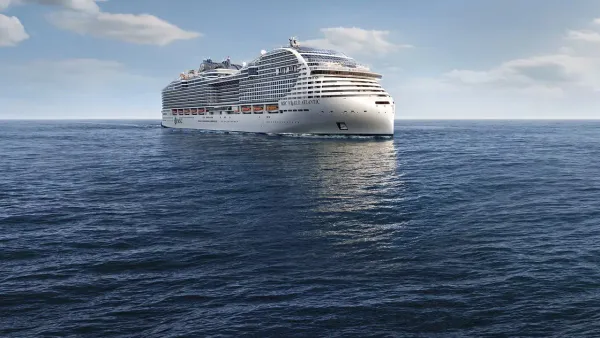
MSC Cruises signed a letter of intent in December 2025 covering four New Frontier-class cruise ships, with options for two more. The package has been valued at as much as €10 billion. Each vessel would be approximately 180,000 gross tons and accommodate as many as 5,400 passengers.
Deliveries are scheduled to begin in 2030 at one ship per year, with the options extending the sequence through 2035. Germany’s federal government approved €11.5 billion in state loan guarantees for the cruise ship project in July 2026.
MSC would also be taking control of a builder serving other cruise businesses. Carnival Corp. and Royal Caribbean Cruises are longstanding customers, and current work includes ships for Carnival Cruise Line, Disney Cruise Line and Viking.
In June, MSC Cruises and Meyer Werft said detailed design work and negotiations on the definitive New Frontier shipbuilding contract were in their final stages. As of September 21, they had not announced its completion.
That unfinished contract is where I’d look for evidence of a healthier future for Meyer Werft. The yard already knows how expensive it can be to promise a ship on terms that fail to cover the cost of building it. MSC becoming the owner would make that problem its own.