Barcelona Mayor Seeks to Double Short-Stay Cruise Passenger Fee
A University of Barcelona study estimated 2024 cruise tourism generated about €1.2 billion in Catalonia and supported more than 9,500 jobs.
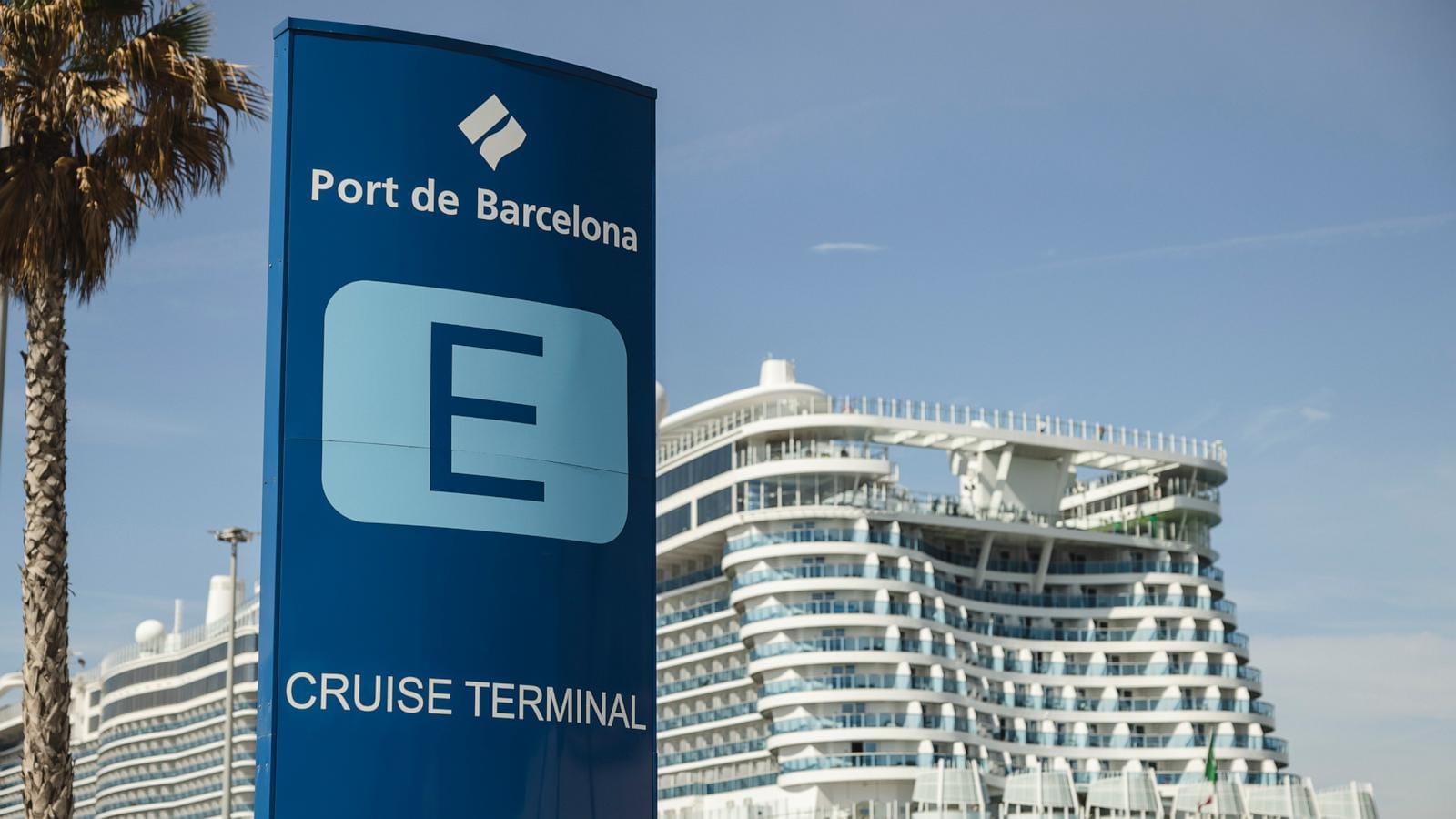
Barcelona Mayor Jaume Collboni is seeking to double the charge on short-stay cruise passengers from €4 to €8 per person, about $4.65 to $9.30, in the coming months. The proposal would accelerate an increase city officials had planned to phase in through 2029 and targets cruise guests arriving on transit calls, not passengers beginning or ending voyages in Barcelona.
The segment Collboni wants to reduce is the larger part of Barcelona’s cruise business. Port of Barcelona statistics list 2.295 million cruise passengers and 535 cruise ship calls in 2024, including 1.543 million transit passengers and 752,057 turnaround passengers.
Collboni targets day-call passengers
Collboni told Beteve, in comments published by El País, that the city would raise the charge “from four to eight euros in the next few months and not over four years like we had agreed.” He added: “I want to discourage the arrival of cruise passengers.”
The mayor said his goal is to reduce cruise passengers who stop in Barcelona for the day to zero, while favoring homeport activity and business visitors. “Tourism must serve the city, not the other way around,” Collboni said. He also linked the cruise proposal to the city’s wider mass-tourism policy, including plans to eliminate tourist apartments in 2028.
The tax distinction separates transit calls from turnaround operations. Passengers embarking or disembarking in Barcelona are not subject to the proposed increase, according to the terms described in the announcement.
A University of Barcelona study estimated 2024 cruise tourism generated about €1.2 billion in Catalonia and supported more than 9,500 jobs.
Tax move follows other capacity measures
Barcelona’s city council had already approved a multiyear increase to the €8 rate; Collboni is trying to collapse that timetable into months. The city’s visitor-tax structure combines a Catalonia regional tax with a Barcelona city surcharge, and rates vary by accommodation type, length of stay and cruise category.
The cruise proposal sits alongside higher charges on other visitors. In March, Barcelona nearly doubled hotel guest taxes to roughly $10 to $17 per person per night, while taxes on holiday rentals rose to about $14 per night.
The city has also approved reducing cruise terminals from seven to five. Barcelona currently operates seven cruise terminals, including private facilities developed with cruise lines; MSC Cruises opened the MSC Barcelona Terminal in early 2025. Three facilities are expected to be demolished to make room for a new, larger terminal capable of handling up to 7,000 passengers per day.
Per-call costs could rise quickly
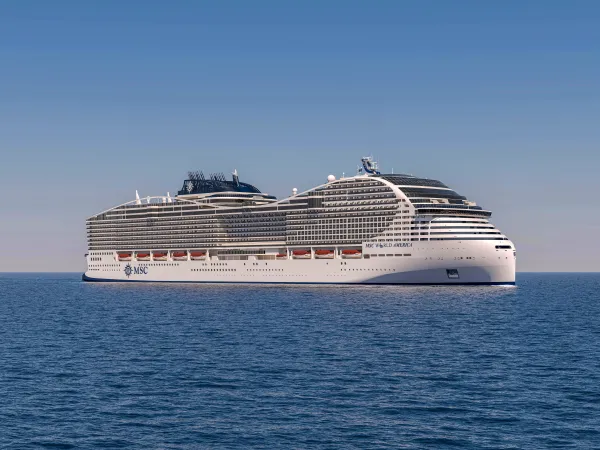
For cruise operators, the extra €4 per passenger would scale with ship size on transit calls. A full-capacity call by MSC World Europa, which carries up to 6,762 guests, would add €27,048 above the current €4 rate if every passenger were subject to the charge.
Cruise lines would then have to decide whether to pass the increase to passengers at booking, apply it onboard or absorb it on existing paid-in-full reservations. Collboni did not present further operational details beyond the intended rate and timing.