Tianjin Launches Northern China’s First Cruise-to-Nowhere
Tianjin’s launch signals China’s cruise market is testing shorter, onboard-focused trips to broaden demand beyond traditional international itineraries.
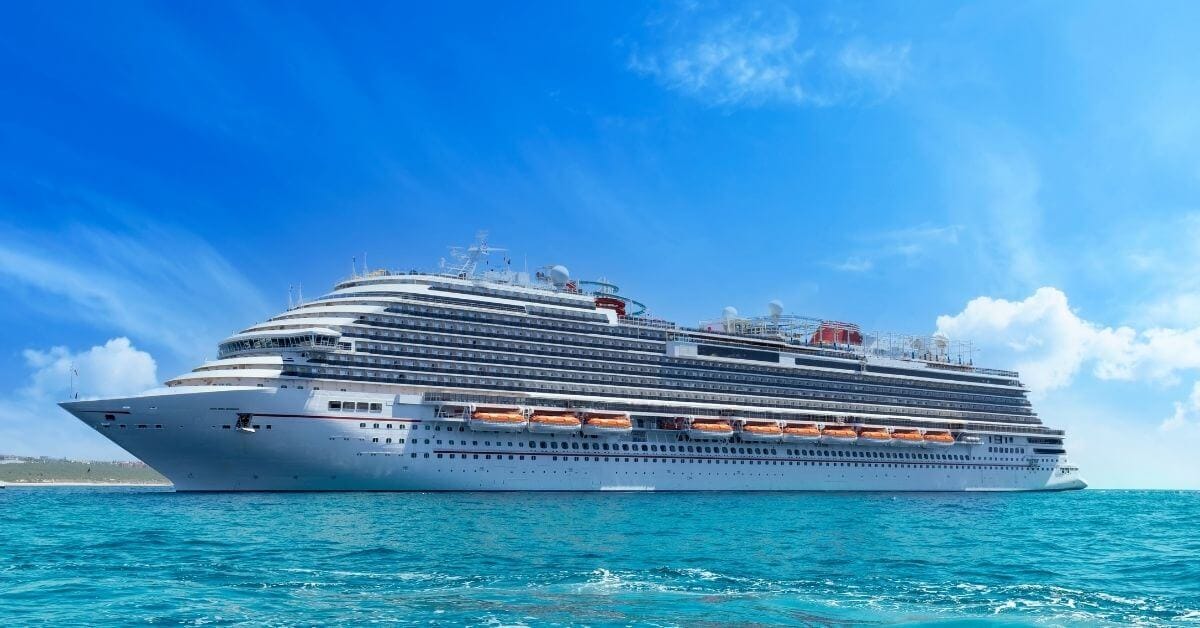
Tianjin has introduced a cruise-to-nowhere service, making it the first city in northern China and the second in the country to offer the short, no-port-call cruise format. The 105,000-ton cruise ship VISIO departed the Tianjin International Cruise Home Port on Saturday with more than 2,700 passengers on a three-day, two-night voyage entirely at sea.
VISIO sailing sets a single-day passenger high for the year
The Tianjin Dongjiang border inspection station said the departure produced the highest single-day passenger total recorded at the Tianjin International Cruise Home Port this year. The sailing was scheduled to return to Tianjin early Monday without calling at any other port, putting onboard activities and spending at the center of the trip.
A second voyage was scheduled to depart Monday as part of Tianjin’s initial rollout of the product.
- Ship: VISIO (105,000 tons), sailing roundtrip from Tianjin.
- Itinerary: Three days and two nights, with no port calls during the voyage.
- Initial demand signal: More than 2,700 passengers on the first sailing, which local border inspection officials described as the port’s busiest single day of the year so far.
What a cruise-to-nowhere offers, and why it is being tested
Cruises to nowhere are roundtrip sailings that leave a homeport, spend the itinerary at sea, and return without calling on other ports. For travelers, the product is designed as a condensed cruise experience focused on dining, accommodations, entertainment, and other onboard amenities rather than destination visits.
Researchers cited in the source material have linked the format’s appeal to weekend-style travel patterns and to younger consumers looking for shorter breaks. The model can also lower planning complexity for passengers by removing the need for foreign port stops and related entry processing.
Shanghai’s pilot steps and early demand set the national context
Tianjin’s launch follows Shanghai’s earlier introduction of China’s first cruise-to-nowhere sailing. Shanghai issued the country’s first entry-exit permit for this type of trip on June 5, and the next day Adora Magic City, described in the source material as China’s first homegrown large cruise ship, sailed from Shanghai Wusongkou International Cruise Terminal with more than 4,100 passengers.
Tong Danying, an official with the Shanghai Municipal Transportation Commission, described the concept as “not just a shorter version of a regular cruise,” emphasizing that the voyage is centered on time spent onboard rather than a port-intensive itinerary.
Xie Xie, a research fellow at the China Waterborne Transport Research Institute, said demand for Adora Magic City’s first sailing was higher than expected, with passengers reporting a strong onboard experience and spending more than anticipated during the voyage.
In northern China, Tianjin Oriental Cruises has outlined additional cruise-to-nowhere sailings as part of the regional rollout, as previously detailed in Tianjin Oriental Cruises’ announcement of cruise-to-nowhere plans from Tianjin.
Tianjin port strategy, pricing, and policy support
Tianjin’s cruise port has been working to broaden its offerings beyond traditional international itineraries. The Tianjin Port Group has framed the new product as part of efforts to raise the city’s profile as a cruise destination, alongside established routes to South Korea that include calls at Busan, Jeju, and Incheon.
Pricing was also cited as a factor in widening the audience for short sailings, with fares described in the source material as ranging from RMB 500 to RMB 1,200 (about $75 to $200). Separately, policy measures referenced in the source material included a Tianjin pilot program aimed at enabling international-level services, including streamlined exit-entry requirements and bonded provisioning policies.
The port also logged its 100th cruise call of the year in August, according to the source material, a marker cited amid broader efforts to rebuild and expand cruise activity.
Broader recovery indicators for China’s cruise market
The push into cruise-to-nowhere itineraries is unfolding as the wider market shows growth. China’s total cruise passenger throughput rose 25.3% in 2025 compared with the prior year, according to figures cited in the source material.
Looking longer term, the People’s Daily was cited as estimating that China’s cruise ship industry could contribute 500 billion yuan (about $74.33 billion) to the national economy by 2035, reflecting expectations of continued development across shipbuilding, ports, cruise operations, and tourism-related spending.
With VISIO due back early Monday and another sailing scheduled to depart the same day, Tianjin’s initial results are likely to be watched as an early test of whether weekend-style cruises to nowhere can sustain demand in northern China.
Frequently Asked Questions (FAQs)
What is a cruise-to-nowhere?
It is a roundtrip cruise that departs from a homeport, spends the itinerary at sea, and returns to the same port without visiting other destinations.
Why would travelers book a cruise that does not visit other destinations?
The trip is designed around onboard dining, entertainment, and relaxation, offering a short cruise experience that can fit into a weekend schedule.
How much do cruise-to-nowhere tickets cost?
Ticket fares for Tianjin’s cruise-to-nowhere sailings were described in the source material as ranging from RMB 500 (about $75) to RMB 1,200 (about $200), depending on accommodations.
How does Tianjin’s launch compare with Shanghai’s earlier sailing?
Shanghai introduced China’s first cruise-to-nowhere sailing in June, while Tianjin is the second city to offer the format and the first in northern China.