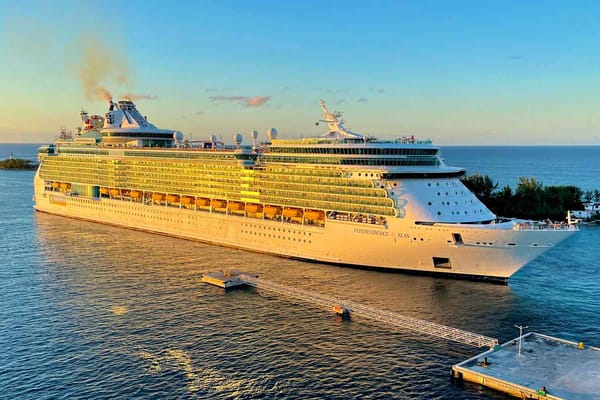
Royal Caribbean Secures Financing for $3 Billion Sandals Stake
Morgan Stanley has committed debt financing for Royal Caribbean’s purchase of a 50% stake in Sandals and Beaches Resorts, slated to close in early 2027.
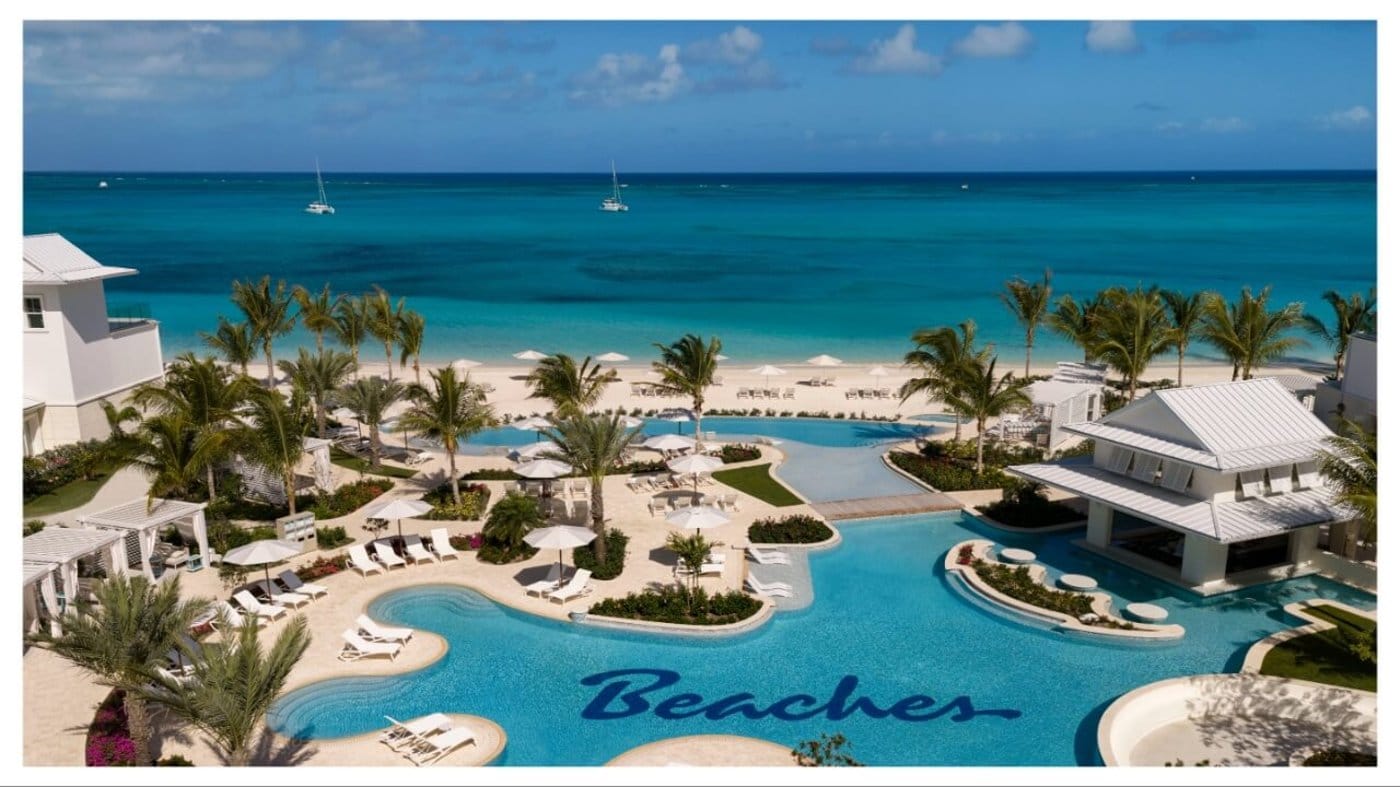
An Earnings Boost Is a Low Bar for Royal Caribbean’s $3 Billion Resort Deal
Royal Caribbean has agreed to pay about $3 billion for a 50% stake in Sandals and Beaches Resorts, with committed debt financing from Morgan Stanley. I want a tougher test of the purchase than whether it adds to next year’s earnings.
The company’s third-quarter results, released Tuesday, show why it can contemplate a commitment like this. Royal Caribbean Cruises Ltd. reported $1.73 billion in net income and adjusted earnings of $6.57 per share, beating both its own guidance and Wall Street expectations. Revenue rose 8.8% to $5.59 billion.
But a strong quarter does not make every use of capital a good one. The resort deal, agreed in September and scheduled to close in early 2027 subject to approvals, deserves scrutiny alongside the company’s existing spending plans and debt maturities.
The cruise business delivered
The group, whose owned brands include Royal Caribbean, Celebrity Cruises and Silversea, increased adjusted quarterly earnings from $5.75 per share a year earlier. The $6.57 result topped management’s forecast of $6.26–$6.36 and the $6.38 average estimate from eight analysts surveyed by Zacks Investment Research.
Unadjusted earnings were $6.45 per share. The adjusted figure excluded debt-extinguishment and restructuring costs.
Revenue increased from $5.14 billion a year earlier. It narrowly beat the $5.58 billion Zacks forecast, while coming in slightly below a separate S&P analyst consensus of $5.61 billion. This was a clear earnings beat, rather than a dramatic sales surprise.
Royal Caribbean carried approximately 2.68 million passengers, with a load factor of 112.4%. Passenger cruise days reached 16.69 million, up 1.34 million year over year. Adjusted EBITDA was $2.54 billion, ahead of analysts’ $2.46 billion estimate, with an adjusted EBITDA margin of 45.4%. The operating margin held at 33.5%, unchanged from the corresponding quarter last year.
Before the release, management had forecast 8.5% capacity growth and roughly flat net yields. That outlook included an estimated 200-basis-point drag from deployment changes and dry docks, which management expected to turn into a benefit in the fourth quarter.
The company slightly raised its full-year 2026 adjusted earnings outlook to $17.85–$17.95 per share. For the fourth quarter ending in December, it forecast $3.48–$3.58.
Bookings support confidence, but the commitments are substantial
“Demand for our leading vacation experiences remains strong,” chairman and chief executive Jason Liberty said. He cautioned that it was still early, but said “2027 bookings are pacing ahead of historical levels at higher rates.”
That follows management’s July comments that close-in demand was allowing price increases on some late bookings. Management also said then that onboard spending and pre-cruise purchases were above prior-year levels, with more than half of onboard revenue purchased before passengers boarded.
Those are useful indicators of the cruise business’s trading position. They are not evidence of what Royal Caribbean will earn on its resort investment. I would keep those judgments separate.
Heading into the earnings release, the company had reported $6.9 billion in liquidity and leverage below three times. That is meaningful financial flexibility. It also had approximately $4.7 billion in forecast capital expenditure for 2026, followed by scheduled debt maturities of $2.7 billion in 2027 and $3.4 billion in 2028.
The resort purchase joins that schedule. Royal Caribbean expects it to add to earnings next year, but an earnings contribution alone cannot establish whether the roughly $3 billion price represents an attractive return.
Fuel remains another moving part. Before the quarterly release, management had forecast $1.3 billion in full-year fuel expense, with 58% of remaining 2026 consumption hedged at below-market rates.
Liberty said Royal Caribbean was already above the return-on-invested-capital target in its Perfecta plan. Based on the forward fuel curve, he said the company remained on course for 20% compound annual growth in adjusted earnings per share from 2024 through 2027, reaching what he called “a $20-handle” next year.
That return-on-capital discipline is the part I want carried into the resort deal. Buying half a resort business should earn its place through the return on the money committed.