RCAF Crews Complete Three Cruise Ship Medevacs off Vancouver Island
As Alaska cruise routes push through remote Pacific waters, these rescues show the critical role of Canadian search-and-rescue crews far beyond the shoreline.
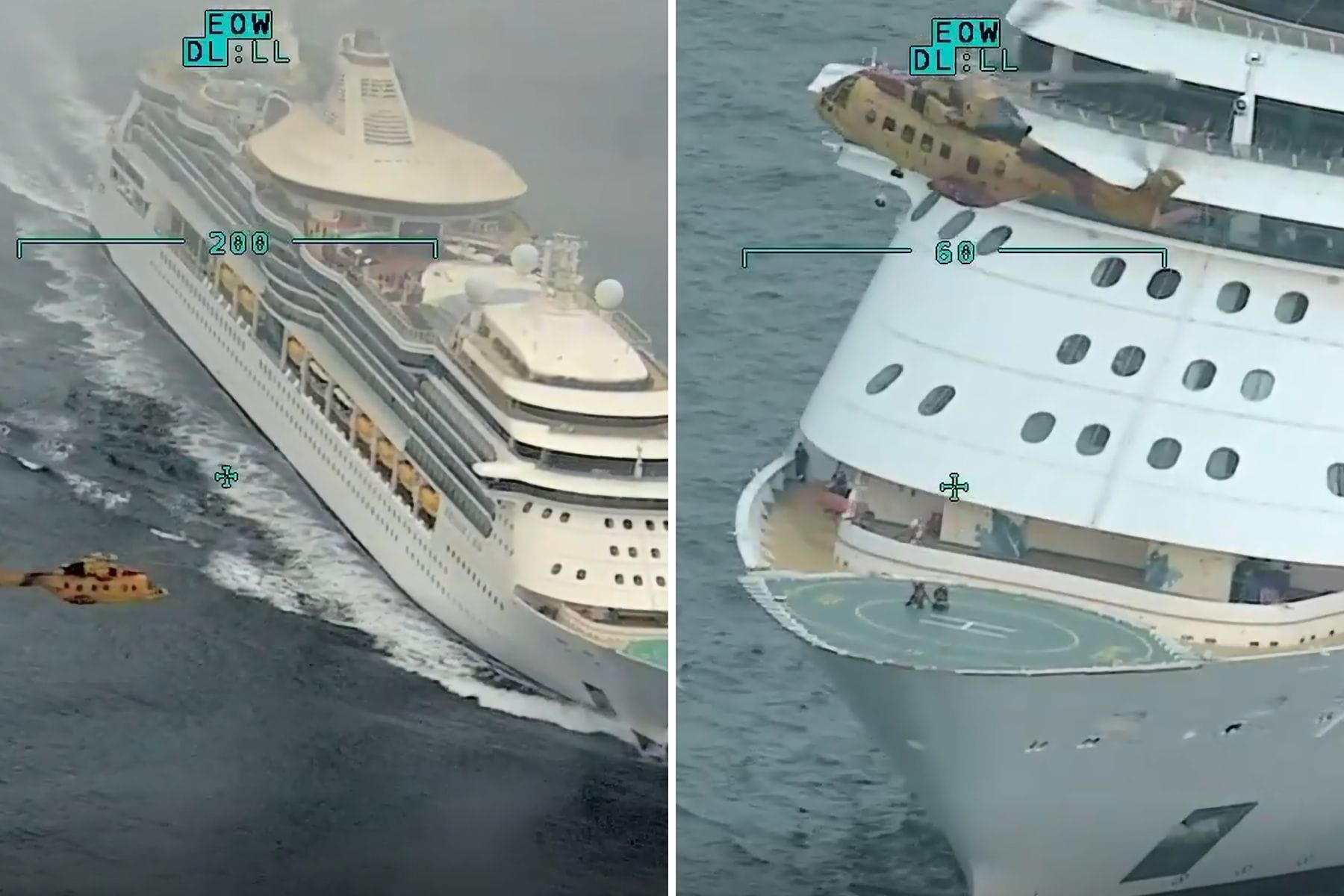
Royal Canadian Air Force crews based at 19 Wing Comox conducted three medical evacuations from cruise ships off northern Vancouver Island over a four-day span in mid-September, responding to mayday calls in exposed offshore waters. The missions were carried out by 442 Transport and Rescue Squadron using a CH-149 Cormorant helicopter for hoist operations, supported by a CC-295 Kingfisher aircraft for coordination under the Joint Rescue Coordination Centre (JRCC) Victoria.
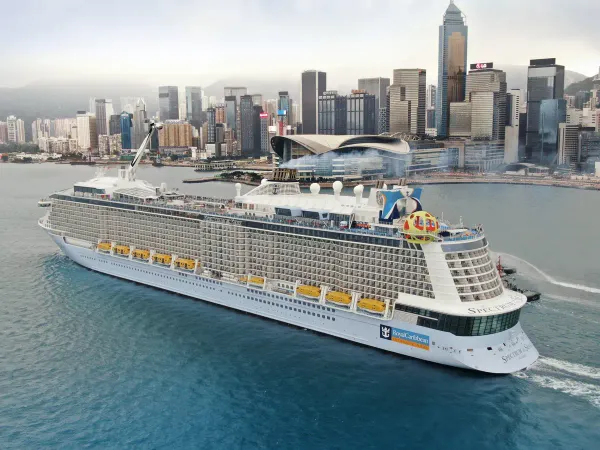
Latest mission involved Royal Caribbean’s Serenade of the Seas
The most recent evacuation took place on Sept. 14, when rescuers were dispatched to Royal Caribbean’s Serenade of the Seas as it sailed about 450 kilometres northwest of Port Hardy during a 7-night Alaska itinerary. In the operation, the Kingfisher aircraft arrived on scene to coordinate with the ship’s bridge team as the helicopter approached and the vessel was positioned to support the safest possible hoist.
Two search-and-rescue technicians were lowered from the Cormorant onto the ship to take over care and prepare the passenger for extraction. The patient was then hoisted into the helicopter and flown to Port Hardy, where paramedics assumed care for further transport.
Another evacuation earlier in the sequence
442 Transport and Rescue Squadron also handled another recent cruise-ship medical evacuation in the same region, described separately in a report on an earlier airlift of an ill cruise passenger off Port Hardy.
Sept. 10 call: crew member described as critical
The sequence began on Sept. 10, when the squadron airlifted a cruise ship crew member described as being in critical condition from an undisclosed vessel operating offshore in roughly the same area. In that case, the ship’s doctor accompanied the patient to Comox.
After arrival, the crew member and doctor were transferred onward by a B.C. Emergency Health Services helicopter for immediate care at an undisclosed hospital, according to the reports.
How offshore medevacs are coordinated
Both stories described a consistent approach for cruise-ship evacuations in open water. The Kingfisher aircraft typically provides airborne oversight and communications, including contact with the ship’s captain and bridge team, while the Cormorant helicopter conducts the hoist once the vessel is positioned to reduce risk during the transfer.
After the technicians reach the ship’s deck, they stabilize the patient and prepare for extraction. Depending on the circumstances, accompanying personnel such as medical staff may also be hoisted before the helicopter departs to the nearest suitable handoff point for ground paramedics or air-ambulance transfer.
Privacy limits details released after medical transfers
19 Wing Comox and B.C. Emergency Health Services did not disclose the nature of the illnesses or injuries in the recent incidents, citing patient privacy. The Department of National Defence also did not provide patient condition updates following the transfers.
JRCC Victoria’s coverage area and squadron staffing
JRCC Victoria coordinates aviation and marine search-and-rescue responses across a wide region, relying on the 442 Transport and Rescue Squadron as its primary response unit for many incidents off British Columbia’s coast. The search-and-rescue region cited in the reports includes:
- British Columbia and Yukon: About 920,000 square kilometres of coverage for inland and coastal response.
- Pacific Ocean: About 560,000 square kilometres of offshore responsibility, including remote waters along the coast.
The squadron is reported to have roughly 200 members, including aircrew, search-and-rescue technicians, and maintenance personnel.
Why the RCAF sometimes releases rescue footage
19 Wing Comox has shared imagery from some missions as public interest in cruise-ship evacuations grows. Captain Steve Davies said the visibility can also illustrate the complexity of operating far from shore.
“You are vulnerable out over the ocean for protracted periods,” Davies said. “Naturally the planning that goes into them is quite intense.”
With cruise traffic continuing along British Columbia’s coast, JRCC Victoria and 19 Wing Comox remain central to time-sensitive offshore medical evacuations when onboard care is not sufficient, and recent calls show how quickly crews can coordinate aircraft, ships, and shore-side responders.
Frequently Asked Questions (FAQs)
Which aircraft are used for these cruise ship medical evacuations?
The missions described used a CH-149 Cormorant helicopter for hoisting patients from the ship, supported by a CC-295 Kingfisher aircraft that assists with coordination and oversight during the operation.
Who dispatches 442 Transport and Rescue Squadron for incidents at sea?
The squadron is tasked under the Joint Rescue Coordination Centre (JRCC) Victoria, which coordinates search-and-rescue responses across British Columbia, Yukon, and a large portion of the Pacific Ocean.
What happens after a patient is hoisted from a cruise ship?
After extraction, the helicopter flies the patient to the nearest suitable handoff point for further care. In the reported cases, patients were taken to Port Hardy for transfer to paramedics or flown to Comox, including a case that involved an onward transfer by a B.C. Emergency Health Services helicopter.
Why aren’t medical details released after these evacuations?
Officials said the nature of the illnesses or injuries was not disclosed to protect patient privacy, and condition updates were not provided following the transfers to shore-based medical services.