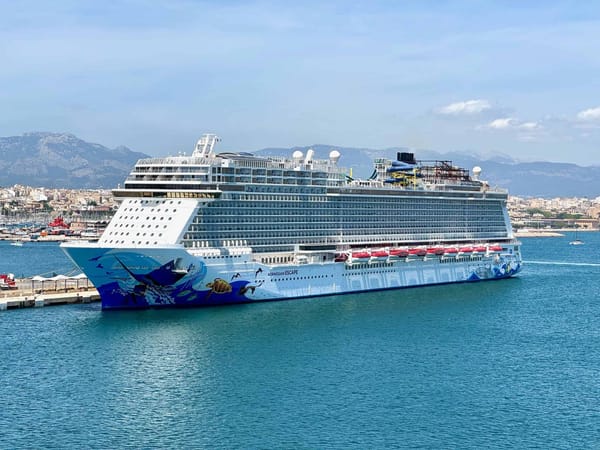
Norwegian Cruise Line Cuts Fares Early for 2027 and 2028 Sailings
In its second quarter, NCLH reported adjusted earnings of $0.48 per share, above analyst estimates but below last year, as revenue rose 4.9% to $2.64 billion.
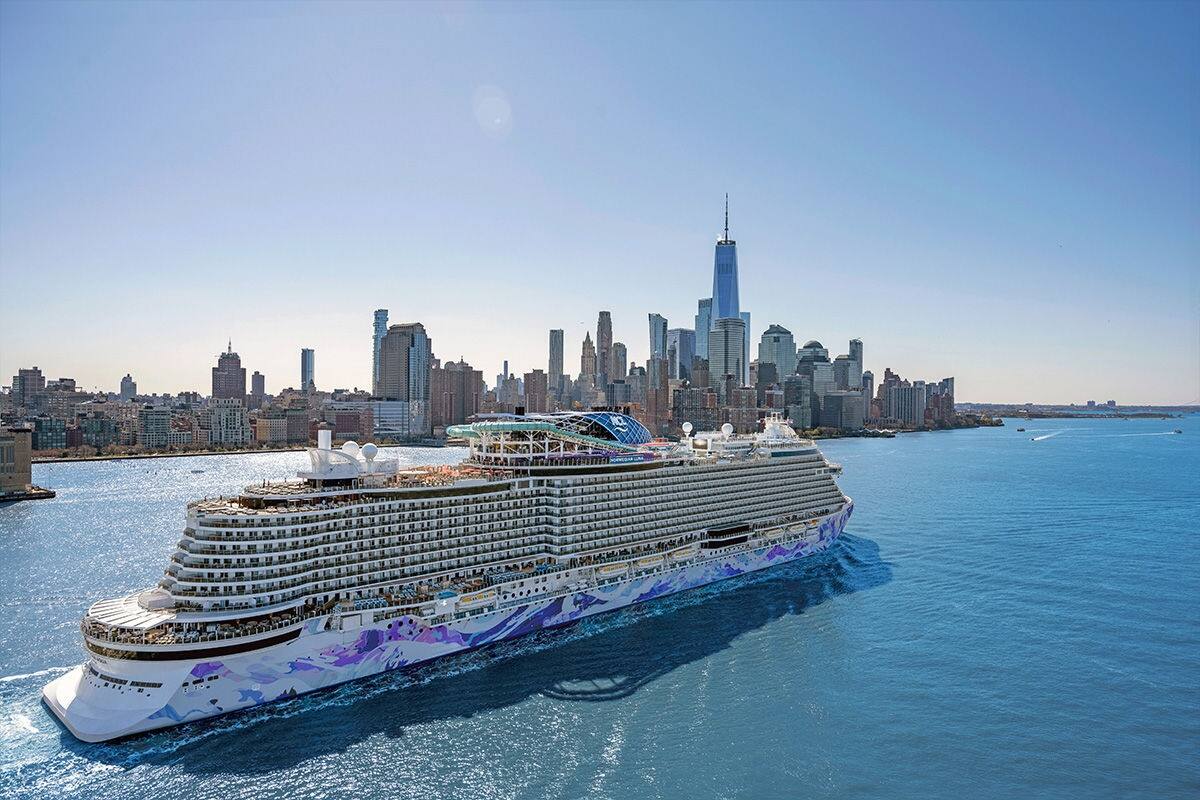
Norwegian’s Earlier Fare Reset Is Sensible, but Falling Yields Raise the Stakes
Norwegian Cruise Line Holdings is already applying its pricing reset to selected 2027 departures and sailings open for 2028. The plan is to offer more competitive prices earlier in the booking cycle, part of Chief Executive Officer John Chidsey’s effort to rebuild demand at the Norwegian Cruise Line brand.
I like the willingness to change the offer while those sailings still have time to sell. It is a concrete operating decision, and a more useful place to assess this turnaround than the gap between the share price and an analyst target.
But this is no easy pricing fix. NCLH’s second-quarter net yield declined 2.6%. More competitive early fares need to improve the overall result, not leave the company accepting weaker economics for the satisfaction of securing bookings.
The earnings recovery still has something to prove
The second-quarter results, released July 30, illustrate the challenge. Adjusted earnings of $0.48 per share beat the $0.41 analyst consensus but fell short of the previous year’s $0.51. Revenue rose 4.9% to $2.64 billion, narrowly missing the $2.65 billion consensus estimate. Higher revenue has not yet translated into higher adjusted earnings per share.
There was better news on September 30. NCLH said third-quarter revenue performance was stronger than expected and that results should exceed its July forecast, which called for adjusted earnings of $0.90 per share and adjusted EBITDA of $874 million. It did not provide revised quarterly figures.
Despite that improvement, the company reaffirmed its full-year 2026 guidance, including adjusted earnings of $1.50 per share. MarketBeat’s latest analyst tally is lower, at $1.36.
The stronger quarter is welcome. Keeping the annual forecast unchanged, though, gives readers no new full-year earnings number to attach to that optimism. The pricing changes for 2027 and 2028 remain an operating initiative to watch, not evidence of a completed recovery.
Wall Street’s upside comes with a “Hold”
MarketBeat reports an average 12-month analyst price target of $20.35 for NCLH, about 31% above Wednesday’s opening price of $15.52. That opening price gave the group a market capitalization of $7.12 billion.
The consensus recommendation is still “Hold.” Of the 23 firms tracked, 15 assign a hold rating, five recommend buying, two rate the shares strong buy and one recommends selling. The apparent upside in the average target looks more enthusiastic than the recommendations behind it.
Recent revisions hardly point in one direction. Wells Fargo cut its target from $22 to $20 on September 4 while retaining an “overweight” rating. UBS had raised its target from $17 to the same $20 on August 18, maintaining a “neutral” recommendation.
TD Cowen upgraded the shares to “strong-buy” on September 8. JPMorgan Chase then cut its target from $17 to $13 on September 24 while keeping a “neutral” rating. That target sits below Wednesday’s opening price.
The shares also remain below their 50-day moving average of $16.49 and 200-day average of $18.07. Their trading range over the past year is $13.63 to $25.13.
Institutional ownership is approximately 69.58%. Separate first-quarter position reports show purchases including a new Elliott Investment Management stake valued at about $246.6 million and a new Vaughan Nelson Investment Management position valued at approximately $42.8 million.
The California Public Employees Retirement System increased its holding by 358.8%, adding 2,874,730 shares to reach 3,675,830, with a reported value of $68.7 million. Hound Partners increased its share count by 50% to 5,713,090, a position valued at approximately $106.8 million.
Those are sizeable commitments. They do not tell us whether the early-pricing changes will deliver better yields or earnings.
The debt bill makes the operating result matter
NCLH’s 2025 annual report included approximately $16.9 billion of long-term debt in its maturity analysis. MarketBeat lists a debt-to-equity ratio of 5.40 and a current ratio of 0.20. The commercial reset is happening under substantial financial pressure.
Subsidiary NCL Corporation has announced a $750 million private offering of senior notes maturing in 2031. Planned uses include refinancing 6.125% notes due in 2028, repaying approximately $176.3 million on its revolving credit facility and prepaying about $42.2 million of export-credit-backed debt.
That is work on the debt structure. For 2027, the company expects net interest expense of $860 million to $880 million.
That is why I want to see this pricing reset judged on what the bookings earn. With an interest bill that size, winning the booking cannot be the whole definition of success.