MSC Says Tax Reform Needed Before Homeporting Ships in India
Cordelia Cruises added Cordelia Sky, formerly Norwegian Sky, in late October and plans to bring in Cordelia Sun, formerly Norwegian Sun, in 2027.
India’s cruise terminal push is ahead of its foreign ship commitments
“We have no plans to homeport vessels in India at this time.” That answer from MSC Cruises deserves more attention than another terminal announcement.
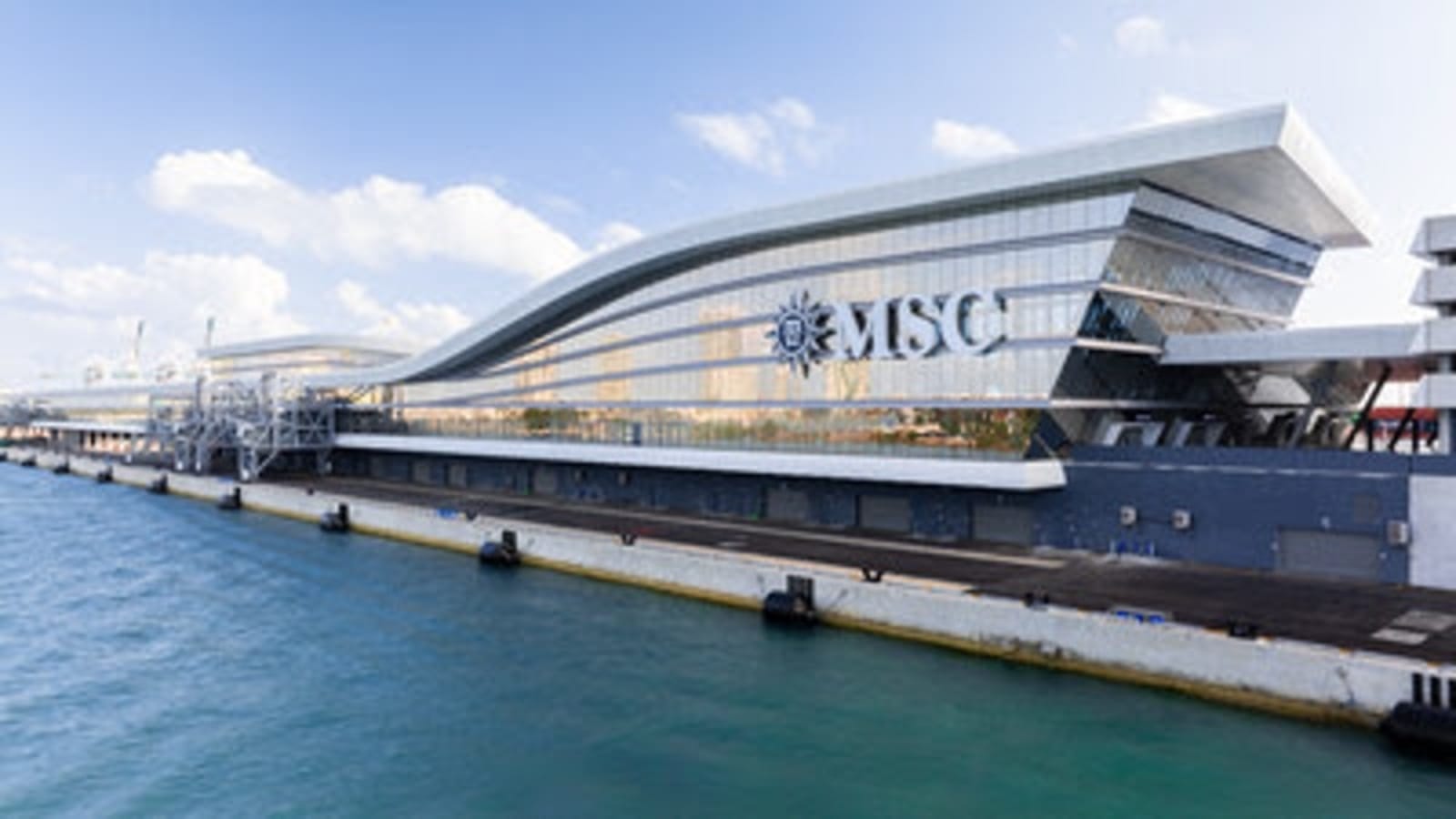
India wants to increase its international cruise terminals from two to 10 under the Cruise Bharat Mission, which runs through March 2029. But MSC’s executive director of global sales, Norbert Stiekma, has identified a different priority: a tax framework that makes cruising in Indian waters competitive with international cruising.
I’d put that commercial hurdle ahead of celebrating the terminal count. Better facilities have a purpose, but they cannot settle the question foreign operators are still asking: does deploying a ship in India make financial sense?
The distinction matters because India’s domestic cruise expansion and its international ambitions are at different stages. One already has additional ships arriving. The other still has negotiating ahead.
Cordelia gives the passenger target something concrete
India’s nine ports handled 462,000 sea-cruise passengers and 212 ship calls in fiscal 2026. The government is targeting 1 million annual passengers by fiscal 2029.
Domestic sailings accounted for more than 90% of passengers and 78% of calls. That is an important qualification to the terminal story: India does not necessarily need a wave of foreign homeporting commitments to make substantial progress toward its passenger target.
“Demand is not an issue,” said Rajiv Jalota, former chairman of the Indian Ports Association. In his assessment, a three-ship Cordelia Cruises fleet could support the government’s goal.
Cordelia added its second vessel, Cordelia Sky, the former Norwegian Sky, in late October. A third vessel, Cordelia Sun, formerly Norwegian Sun, is planned for 2027.
Chief executive Jurgen Bailom also left open the possibility of further additions during Cordelia’s second-quarter conference call, without making specific commitments. The approach, he said, was to “progressively build capacity in line with the growth of the Indian cruise market.”
That is a more tangible basis for growth than a terminal target alone. There are named ships and a fleet expansion schedule.
Jalota also urged operators and tourism departments to develop tourist circuits attractive to international visitors. He proposed routes linking southern India with Southeast Asia, and India with West Asia, to help compensate for fewer foreign cruise calls.
The port investment has uses beyond foreign calls
The Cruise Bharat Mission launched in September 2024. Chennai, Mumbai and Visakhapatnam have added modern cruise terminals over the past three years, while construction is underway at Mormugao in Goa.
Goa’s Rs 185 crore development covers 13 acres, with check-in facilities, lounges, shops and food courts. It will provide berthing for four vessels simultaneously and include provision for Ro-Ro services. Mormugao Port Authority expects the domestic cruise terminal to be ready by June 2027 and the full development by December that year.
Cochin Port, now a homeport for Cordelia Empress, has appointed a consultant to prepare a detailed project report for a proposed mega cruise terminal.
These are not all facilities waiting for an international operator to arrive. Domestic cruising provides an existing use, and some developments deliberately reach beyond passengers.
At Mumbai, Ballard Pier Private Limited is developing an experience centre two levels above the cruise terminal. Dining, retail, lifestyle and entertainment venues will serve local residents as well as cruise guests, with a phased opening scheduled over the next two months.
I like that broader use. A waterfront development that gives residents a reason to visit has a purpose beyond processing the next shipload of passengers. Ballard Pier director Aditi Kotak put it plainly: coastal tourism development “calls for experiences that draw people to the sea.”
Foreign operators still need a workable proposition
Mumbai accounted for 45% of India’s cruise calls and 52% of passengers in fiscal 2026. Yet its international calls have fallen from eight last season to five this season. Red Sea tensions have reduced foreign ship visits, and geopolitical disruption has increased fuel and insurance costs.
Tax reform will not remove those pressures. But taxation is an issue the government can address, and Stiekma called it the most important reform. He wants treatment comparable with other tourism and transport businesses.
International operators continue to see demand from Indian customers for voyages in Asia, the Caribbean and Europe. That business has not translated into deployment commitments in India. MSC will continue serving Indian guests through international itineraries while reviewing market conditions.
Nalini Gupta, managing director at ClickMyCruise & Lotus Destinations, which represents international cruise operators, said discussions with several lines about Indian deployments were underway. She also cautioned that substantial preparatory work remained, including infrastructure, clear policies and a commercially viable environment.
Mumbai Port Authority Chairman M Angamuthu said regulatory changes were being developed alongside the facilities. Measures include e-group visit visas, simplified shore-leave passes, QR-code immigration clearance and digitised customs.
Those are practical measures, but they do not answer the tax request. India can make it easier to bring a passenger ashore and still leave an operator unconvinced about basing a ship there. The commercial test is whether a line commits a vessel, not how many terminals the government can finish.