MSC Opera Cancels Transatlantic Cruise Over Technical Problems
MSC Opera entered drydock at Palumbo Shipyard in Valletta on October 10 for technical maintenance, class requirements and upkeep in its hotel areas.
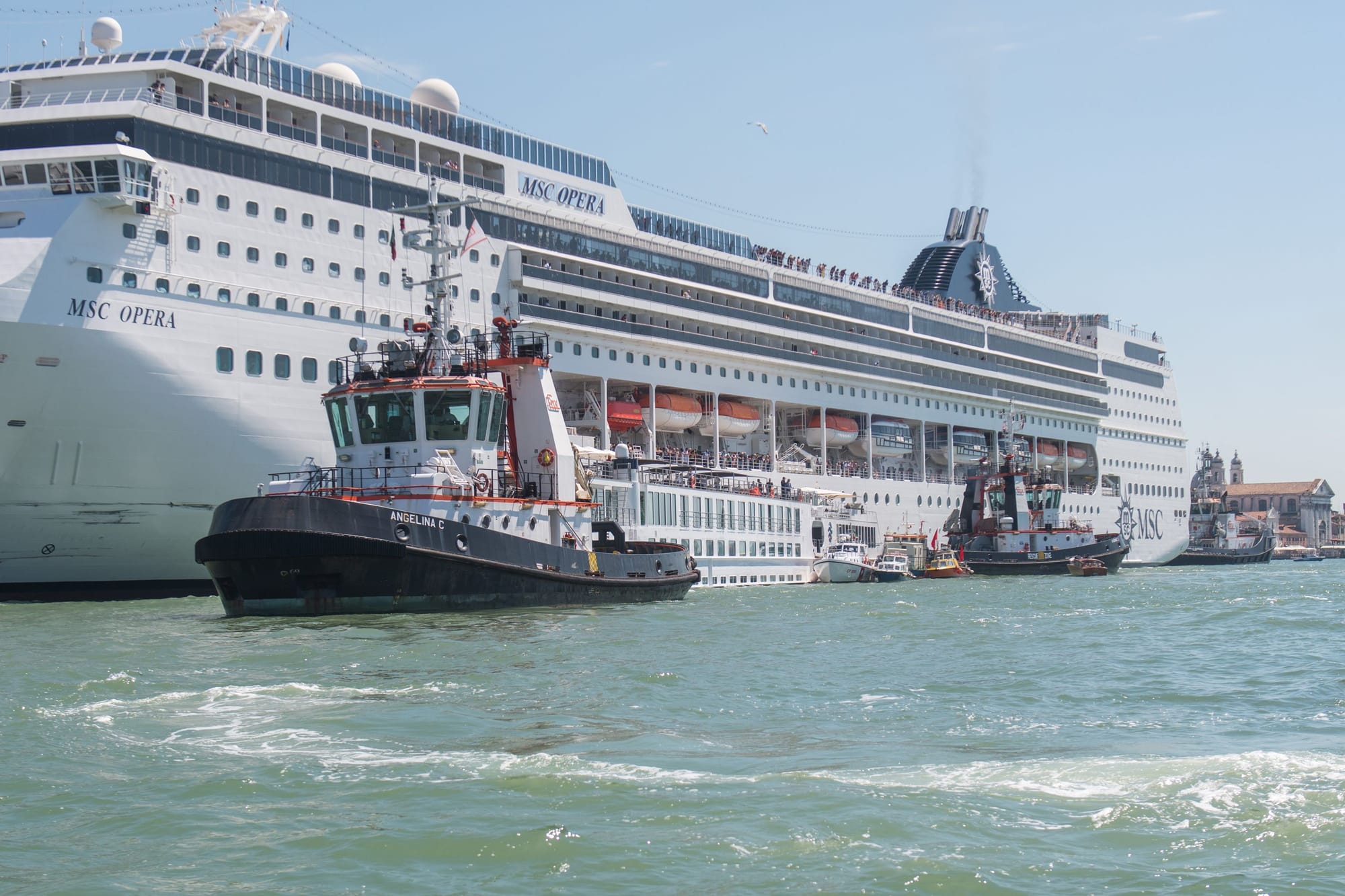
MSC Opera’s last-minute cancellation needed clearer passenger instructions
Some MSC Opera passengers received cancellation texts on October 28, just one day before their 18-night transatlantic cruise was due to leave Civitavecchia, near Rome. In Facebook discussions following the notices, other passengers described initial instructions to board in Livorno on October 31 instead.
Those are very different messages when someone is deciding whether to travel to a port. I’d put explaining that discrepancy ahead of promoting what comes next for the ship.
MSC Opera is now crossing the Atlantic without guests after MSC Cruises cancelled the repositioning voyage because of technical problems. It remains scheduled to reach La Romana, Dominican Republic, on November 16, 2026, for the start of its Caribbean program. Passenger service is subject to arrival and completion of checks.
The booking arrangements were not identical. MSC offered overlapping Mediterranean and transatlantic itineraries, including embarkation opportunities in Genoa and Livorno, so different bookings could require different arrangements. But MSC has not publicly explained which bookings were initially cancelled and which were being rescheduled.
One passenger posting on Facebook reported an offer of hotel accommodation, a bus transfer and onboard credit alongside the revised Livorno boarding instructions. That is a specific alternative travel plan, not a minor change to a departure notice.
MSC offered affected guests a full cruise-fare refund and a 100 percent future cruise credit, along with assistance with out-of-pocket travel expenses. Its notices also promised reimbursement for travel and accommodation costs, although separately booked flights and hotels were not automatically covered.
The refund and credit amount to a substantial offer. The limits around separately booked travel still matter, particularly when cancellation notices arrive the day before departure.
The technical problem remains unidentified
Before the disruption, MSC Opera underwent a scheduled drydock at Palumbo Shipyard in Valletta, Malta. The stay began on October 10 and had been expected to continue through October 29. Work covered technical maintenance, class requirements and general upkeep in the ship’s hotel areas.
MSC has not publicly identified the technical fault or confirmed whether it arose during maintenance or involved delays in completing the scheduled work. There is not enough information to turn this into a verdict on the yard, the maintenance program or the ship’s age.
MSC Opera entered service in 2004. The 65,591-gross-ton Lirica-class ship has a maximum capacity of 2,658 passengers.
The cancelled crossing would have included Barcelona and Tangier before reaching the Caribbean, with calls at St. Maarten, Antigua and St. Kitts.
La Romana’s year-round program is still planned
The deployment will make MSC Opera the line’s first ship to operate year-round in the Southern Caribbean, offering seven-night round trips from La Romana. No return to Europe is currently scheduled, and the operation is planned to continue through at least November 2028.
Itineraries include Bridgetown, Barbados, Tortola in the British Virgin Islands, Fort-de-France, Martinique, and Philipsburg, St. Maarten. Other departures will visit Aruba, Bonaire and Curaçao.
For passengers arranging flights, La Romana has an international airport close to the cruise terminal, but flight options are limited. Punta Cana offers more flights, with a road transfer generally taking an hour or longer depending on traffic.
After a cancellation this late, the next passenger notice needs to leave no room for interpretation about whether to travel, where to board and whether the sailing is going ahead. A generous future cruise credit does not make an unclear instruction for the current holiday any more useful.