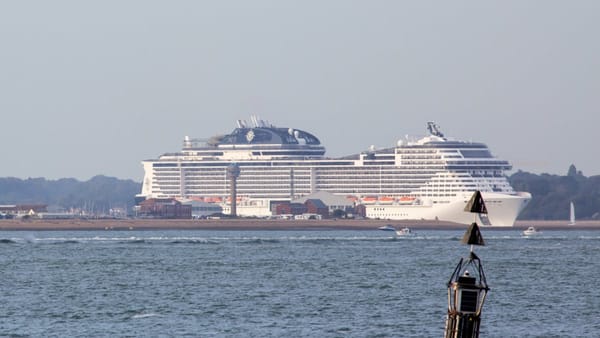
Mein Schiff 7 Completes Renewable Methanol Bunkering Test
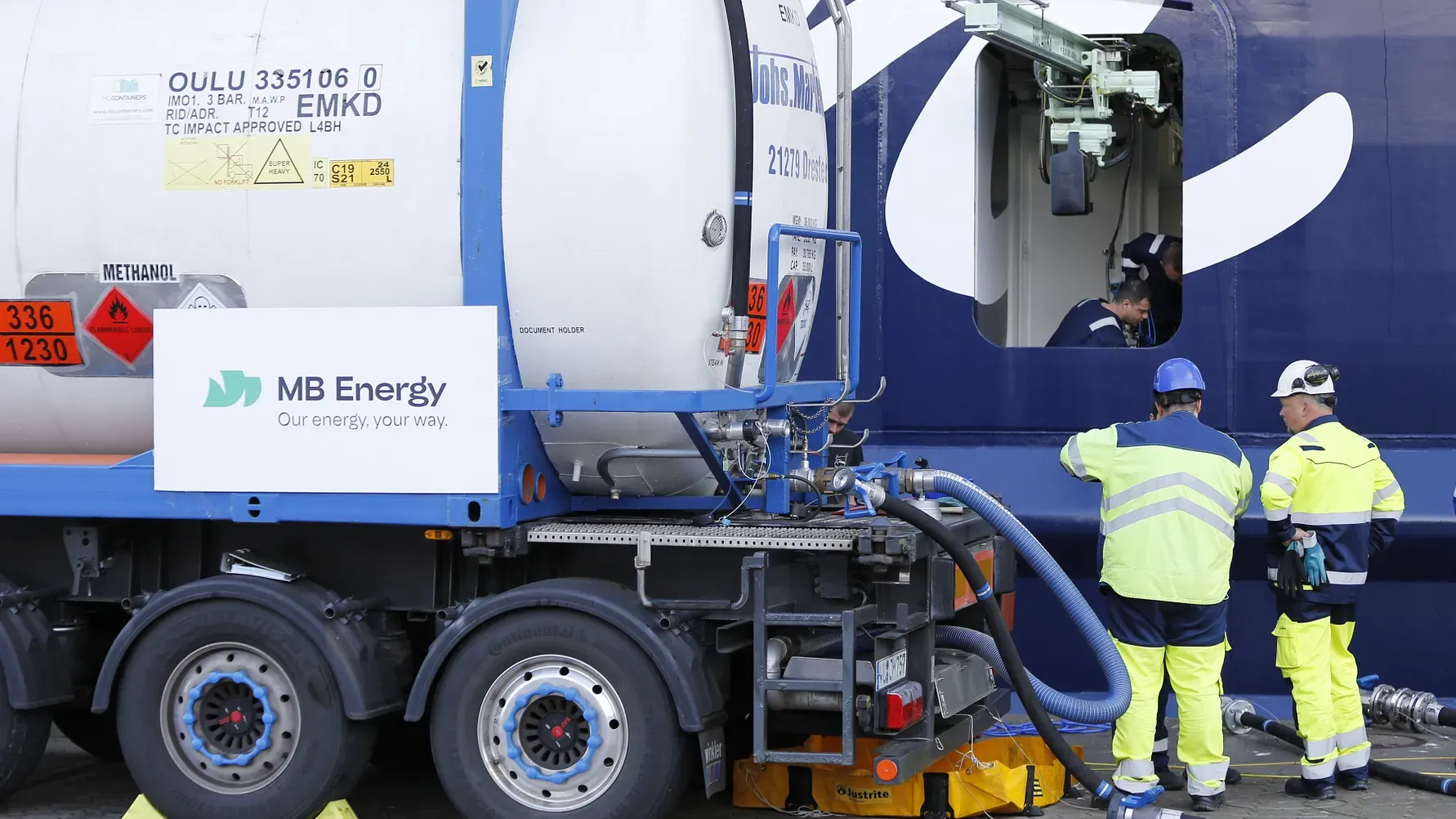
MB Energy supplied twenty-five cubic meters of renewable methanol, with Johs. Martens delivering it by truck while about two thousand nine hundred passengers were aboard Mein Schiff 7.
Updated September 23, 2026
Mein Schiff 7 has completed a demonstration bunkering of 25 cubic meters of methanol made from renewable feedstocks. The 2024-built vessel is described by the line as the first cruise ship constructed methanol-ready. The batch is for boiler operations, not propulsion.
The transfer took place at the Ostseekai Cruise Terminal in Kiel with about 2,900 passengers aboard and several other operations underway at the pier. TUI Cruises and fuel supplier MB Energy said the test confirmed that the necessary systems and procedures were ready for this mode of delivery. The ship continues to use low-sulfur marine diesel for propulsion.
Truck-to-ship transfer under operating conditions
MB Energy supplied the renewable methanol, which Johs. Martens transported and delivered by truck. The truck used HVO 100 instead of conventional diesel. The operation covered the full supply chain: sourcing and storage, followed by road transport and delivery alongside the vessel.
Jonathan Perkins, CEO of MB Energy, said the operation showed that such fuels “can already be integrated into cruise operations in a safe and reliable way.”
The roughly 113,000-gross-ton Mein Schiff 7 is about 316 meters long and can carry up to 2,896 guests. It is supported by approximately 1,000 to 1,100 crew members. Its diesel-electric propulsion system currently uses marine diesel with sulfur content of no more than 0.1%.
When the ship was delivered, TUI Cruises said additional components were still required before methanol testing could proceed and identified 2026 as its target.
“Projects like this help us better understand how alternative fuels can contribute to reducing emissions as part of a broader carbon reduction strategy,” said Jorg Umann, director of strategic planning, treasury, IR and fuel at TUI Cruises.
Methanol’s low flash point and toxicity require dedicated containment and ventilation, along with fire detection, training and transfer procedures. Future use as propulsion fuel would fall under the IMO’s IGF Code and interim guidelines for methyl and ethyl alcohol fuels. Class, flag-state and port requirements would also apply, as would the ISO 6583:2024 fuel-quality standard.
TUI expands renewable-fuel operations
TUI Cruises also runs renewable LNG aboard its two InTUItion-class ships. Mein Schiff Relax completed two bio-LNG bunkering tests in 2025 and is using the fuel throughout its Northern Europe summer season. Mein Schiff Flow has begun regular bio-LNG bunkering in Barcelona and is scheduled to continue using it during its winter program from Hamburg.
Both ships can operate on LNG or marine gas oil and can use bio-LNG or e-LNG without technical modifications.
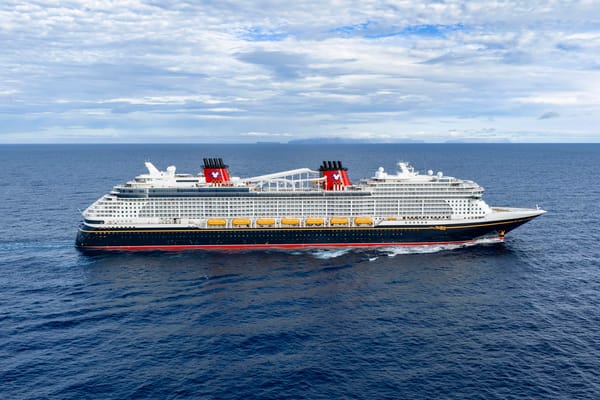
Other cruise operators have disclosed methanol plans. Disney Cruise Line prepared Disney Adventure for methanol but said limited green-methanol availability in Singapore meant the ship would initially use a mix of fuels that could include hydrotreated vegetable oil. Wärtsilä converted an engine for a Celebrity Cruises newbuild in France to support tri-fuel operation, including methanol.
Norwegian Cruise Line has said the fifth and sixth Prima-class ships being built with Fincantieri will be designed for methanol. The operator is also working with Everllence, formerly MAN Energy Solutions, to examine methanol conversions for existing vessels.
Northern German storage plans
MB Energy is preparing its Hamburg-Blumensand storage infrastructure to handle larger volumes of methanol and lower-carbon ammonia for maritime customers. The company plans to use Hamburg and Kiel as its primary operating hubs in northern Germany, with the option to supply other European ports.
MB Energy said its company-operated storage facilities and integrated logistics would support a continuous methanol supply. The Kiel trial provided practical experience for potential future bunkering projects involving shipowners, ports and energy suppliers.