MedCruise Launches Cruise Impact Study Across 13 Mediterranean Ports
As Mediterranean destinations wrestle with crowding and climate rules, a shared impact yardstick could reshape how ports negotiate cruise growth and community consent.
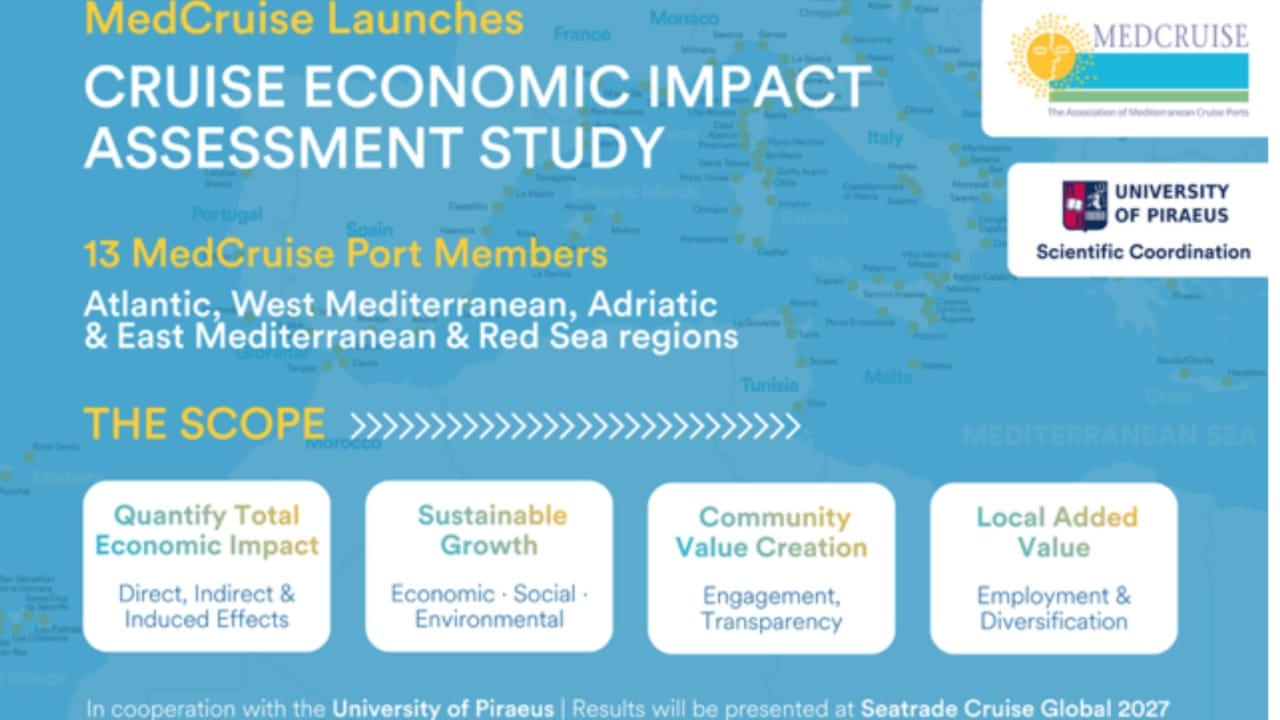
MedCruise has launched a multi-year research project to measure the economic, social, and environmental impacts of cruise tourism across participating Mediterranean and nearby destinations, according to the organization. Consolidated findings from the Cruise Economic Impact Assessment Study are expected in 2027.
A region-wide framework led by MedCruise and the University of Piraeus
The Cruise Economic Impact Assessment Study is being carried out in cooperation with Professor Thanos Pallis from the University of Piraeus (Department of Maritime Studies), with MedCruise framing the effort as an evidence-based assessment that can be used by ports and destinations in local decision-making.
Lorenzo Vera, Member of the MedCruise Board of Directors and Coordinator of the initiative, said the goal is to move toward shared measurement across the region. “By grounding the discussion in solid evidence and shared data, we are building a common framework that empowers ports and destinations to shape a more resilient and sustainable future,” Vera said.
Which ports are participating
Thirteen MedCruise Port Members are taking part, with MedCruise aiming to apply a common approach so outcomes can be compared and used for planning across different operating environments.
- Cabo Verde
- Cartagena
- Dubrovnik
- Gibraltar
- Kotor
- Lavrio
- Sardinian Ports
- Sibenik
- Taranto
- Tarragona
- Toulon Bay Ports
- Volos
- Western Sicilian Ports
What the study is designed to measure
MedCruise said the project is intended to produce a clearer picture of cruise tourism’s impacts that can support discussions with stakeholders and local communities, while also helping destinations identify practical opportunities to increase value from cruise activity.
According to MedCruise, the study’s scope is multi-dimensional and is intended to go beyond passenger spending, including:
- Quantifying the economic contribution associated with cruise tourism
- Identifying opportunities that support more sustainable cruise development
- Improving how benefits and trade-offs are communicated to local communities
- Providing guidance on increasing added value, including jobs, a broader mix of port activity, and better passenger experiences
Methodology and timeline
MedCruise said the methodology will combine quantitative and qualitative approaches to capture financial flows alongside social and environmental considerations that can shape local decision-making. Data collection has already begun and is planned to continue throughout the cruising year, with consolidated results expected to be presented in 2027.
Why impact measurement is gaining urgency
MedCruise is launching the initiative as cruise planning and destination management face increased scrutiny around tourism volumes and sustainability expectations. In a separate industry discussion, Cruise Lines International Association President and CEO Bud Darr said passenger numbers are projected to rise to 42 million by 2028.
Darr also pointed to the long lead times involved in cruise deployment, saying itineraries are often planned two to three years in advance. MedCruise’s project is intended to add a structured layer of impact measurement that ports can use alongside operational planning.
How destinations and the industry are responding to growth pressures
MedCruise’s study is positioned to inform local choices as destinations test approaches to balance economic benefits with community and environmental considerations. In Croatia’s Dubrovnik, cruise operators have implemented staggered ship arrivals and programs encouraging tourists to explore beyond the historic Old Town, an example cited as a way to manage crowding while protecting cultural assets.
More broadly, the industry has argued that cruising can expand access to itineraries that bundle multiple destinations, such as a seven-day journey through Alaska, and can bring visitors to remote or less-visited locations. At the same time, operational costs and regulatory challenges can affect the viability of ports, with Sydney cited as an example of a major cruise market handling about 1.3 million cruise passengers annually and underscoring the need for coordination on port costs, regulatory frameworks, and infrastructure standards.
Safety, sustainability, and workforce readiness
Industry initiatives focused on safety and sustainability include efforts such as the Cruise Safety and Sustainability Forum, which highlights best practices and the use of tools such as predictive maintenance and human-centered design in ship operations.
Sustainability initiatives described by industry representatives include commitments to reduced fuel use, modified itineraries intended to protect marine ecosystems, and enhanced waste management systems.
As operations become more digital, industry leaders have also emphasized training and workforce development. The cruise sector employs more than 300,000 seafarers from 75 nationalities, and industry figures have said female representation has grown rapidly, with 90 percent of women in maritime careers working in cruise, including many in leadership roles.
With data gathering under way across the cruising year, MedCruise’s next milestones are continued participation by the 13 port members and the compilation of consolidated findings for release in 2027, which the organization has positioned as a shared reference point for evaluating cruise tourism’s economic, social, and environmental outcomes.
Frequently Asked Questions (FAQs)
What is the purpose of MedCruise’s Cruise Economic Impact Assessment Study?
MedCruise said the study is designed to quantify the economic, social, and environmental impacts of cruise tourism across participating ports and destinations, with the goal of providing actionable insights that help optimize benefits while supporting sustainability and informed engagement with local communities.
Who is conducting the research with MedCruise?
The study is being carried out in cooperation with Professor Thanos Pallis of the University of Piraeus (Department of Maritime Studies), according to MedCruise.
When will the results be released?
MedCruise said data collection has begun and will continue throughout the cruising year, with consolidated findings expected to be presented in 2027.
Which ports are participating in MedCruise’s initiative?
MedCruise said 13 port members are participating: Cabo Verde, Cartagena, Dubrovnik, Gibraltar, Kotor, Lavrio, Sardinian Ports, Sibenik, Taranto, Tarragona, Toulon Bay Ports, Volos, and Western Sicilian Ports.
How are cruise lines and destinations addressing tourism management challenges?
Industry representatives have pointed to collaboration with local governments and operational steps such as staggered ship arrivals and programs that encourage visitors to spread out beyond core attractions, including measures cited in Dubrovnik to reduce pressure on the Old Town while maintaining visitor experiences.