Ludington’s First Cruise Call Highlights Limits of Dockside Spending
American Patriot’s August calls at Ludington offered excursions to Historic White Pine Village and Silver Lake Sand Dunes, alongside brewery, shopping and dining options.
A $310 Million Great Lakes Cruise Season Still Needs a Local Reality Check
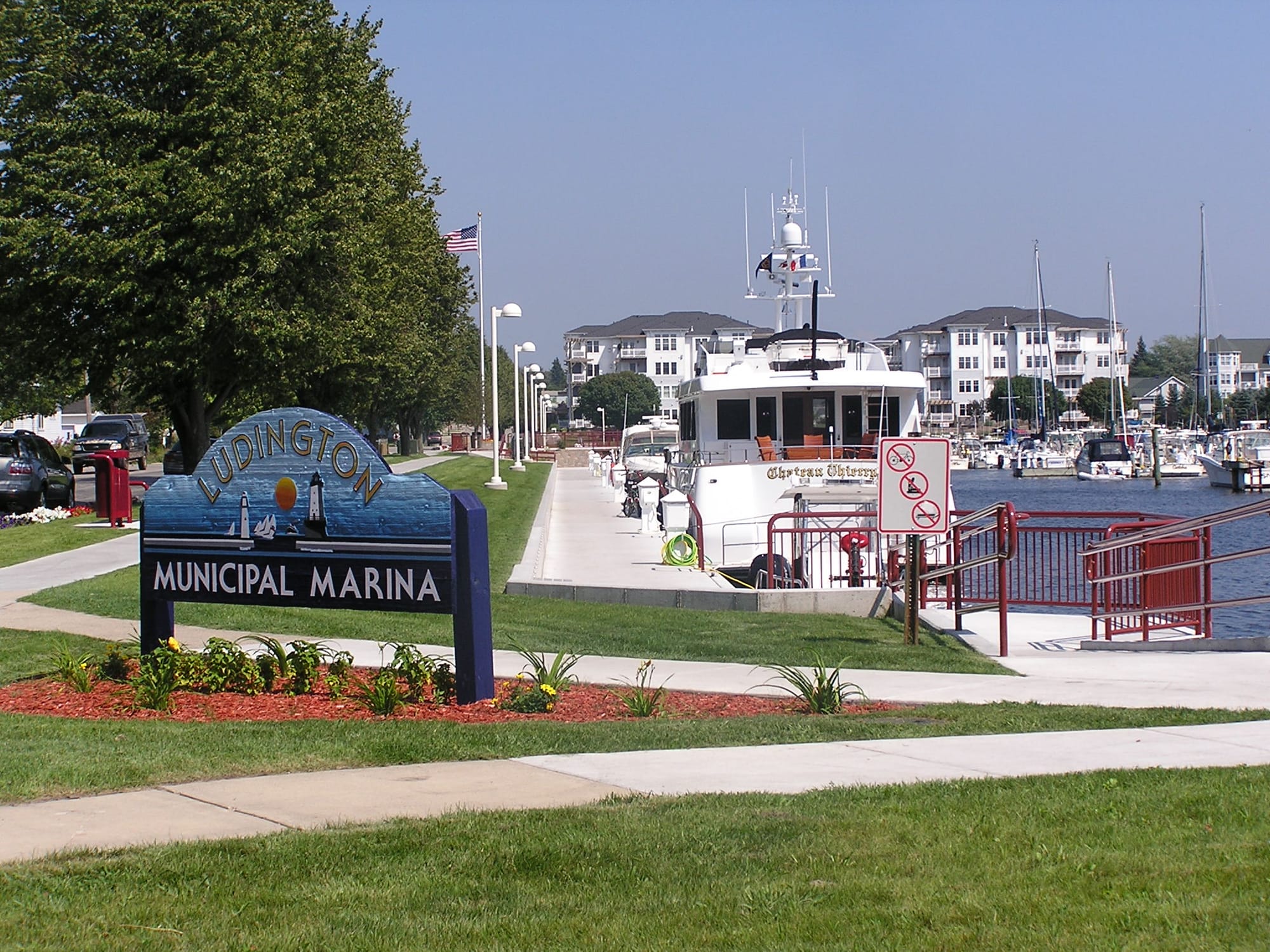
Ludington’s first direct cruise ship docking at Waterfront Park came with a sensible warning from the local chamber: don’t expect every business to see a substantial jump in customers. Many passengers would be heading out on organized excursions.
I like that honesty. As Great Lakes communities add docks and terminals, they need a clear picture of where passengers actually go, not just a share of the enthusiasm surrounding a regional economic-impact figure.
And the regional figure is impressive. Cruise the Great Lakes announced at an Oct. 22 briefing in Detroit that cruise tourism generated an estimated US$310 million in economic impact in 2026. That was up 25% from the previous year and above the original $300 million forecast.
But Ludington provides the useful distinction: a growing cruise business can deliver benefits across a region without delivering a busy afternoon to every shop near the dock. Port planning should start with that understanding.
What happened after passengers reached shore
The 130-passenger American Patriot called at Ludington on Aug. 7 and 14 as part of a new nine-day Lake Michigan and Upper Peninsula itinerary. The Aug. 7 arrival followed an underwater inspection and City Council approval to use the Waterfront Park seawall. That was a practical change from cruise visits in 2002, when passengers had to transfer ashore from an anchorage in Pere Marquette Lake.
Excursions took passengers to Historic White Pine Village in Mason County and Silver Lake Sand Dunes in Oceana County. Brewery visits, independent shopping and dining were also among the options. Those destinations help explain why the benefit of a call cannot be measured solely by how crowded the nearest downtown looks.
The warning came from Brandy Miller, executive director of the Chamber Alliance of Mason County. The first call also coincided with an artisan fair and downtown sidewalk sales, making cruise-related spending difficult to separate from other visitor activity.
That does not diminish the arrival. It makes claims about its effects more credible. Ludington is evaluating future docking options, and this is a better starting point for those discussions than assuming passengers stepping ashore automatically become customers on every nearby block.
The regional growth is substantial
The Great Lakes welcomed about 25,000 individual cruise passengers in 2026, up 5% year over year and ahead of the initial forecast of 23,000. Ships made approximately 880 port calls, nearly 15% more than in 2025, beating the forecast of 800.
Total passenger visits reached 180,000, also up nearly 15%. That figure counts passengers at each port stop, so it measures cumulative destination traffic, not 180,000 separate cruisers.
Sally Davis Berry, tourism director of Cruise the Great Lakes, said “almost 95% of all itineraries sold out.” She identified higher shoreside spending and an increasing price premium for Great Lakes cruises as additional contributors to the economic-impact growth.
The 25% rise in economic impact outpaced the 5% rise in individual passengers. The $310 million estimate should not be read as a tally of spending in port shops and restaurants.
Detroit finished the season with a record 70 cruise ship visits, and the Detroit/Wayne County Port Authority now manages three docks, according to its director of port operations, John Jamian.
“Years ago, the naysayers said our building and dock would never see more than a handful of cruise ships,” Jamian said.
Visit Detroit president and CEO Claude Molinari said each call creates opportunities for restaurants, attractions, retailers and hospitality businesses while introducing passengers to the wider region. Opportunities is the right word. The call gets visitors there. Their itinerary determines what happens next.
More ships, more places to dock
Seven operators deployed 10 ships on the Great Lakes in 2026. American Cruise Lines entered the market with American Patriot, offering itineraries calling exclusively at U.S. ports. The company has announced plans to increase its regional port visits in coming years.
American Cruise Lines president and CEO Charles B. Robertson described its debut as a “remarkable first season” and called the service the first premium domestic cruise product offered on the lakes.
Viking operated Viking Octantis and Viking Polaris, Ponant deployed Le Bellot and Le Champlain, and Victory Cruise Lines sailed Victory I and Victory II. Pearl Seas Cruises’ Pearl Mist, St. Lawrence Cruise Lines’ Canadian Empress and Hapag-Lloyd Cruises’ Hanseatic Inspiration completed the fleet.
The port network is expanding too. Rochester, New York, received cruise ships after a seven-year absence, while Buffalo also welcomed calls. New York Gov. Kathy Hochul announced construction of Buffalo’s Outer Harbor cruise terminal, expected to open in 2028. Victory Cruise Lines plans to begin calling at Erie, Pennsylvania, that same year.
Milwaukee’s South Shore Dock is nearing completion, with an opening expected in May 2027. Toronto is studying the feasibility of a new cruise terminal in its central business district.
A better timetable for the next forecast
Wisconsin Tourism Secretary Anne Sayers, chair of Cruise the Great Lakes, said early projections point to another record season in 2027.
The partnership is also making a sensible adjustment to its reporting schedule. Berry said operators continue adding itineraries through March, leaving forecasts published in October outdated before the next season begins. Future forecasts will come in spring, with the next release scheduled for April 5–7, 2027, at the partnership’s annual meeting in Ann Arbor, Michigan.
Cruise the Great Lakes is coordinated by the Council of Great Lakes–St. Lawrence Governors & Premiers, representing eight U.S. states and two Canadian provinces.
A later forecast should give ports a more useful count of what is coming. Ludington’s experience points to the next piece of work: understanding where those visitors will go. A record regional total is welcome news. It is not, on its own, a business case for the next dock.
Compare current Great Lakes cruise fares on Cruise Lookup.