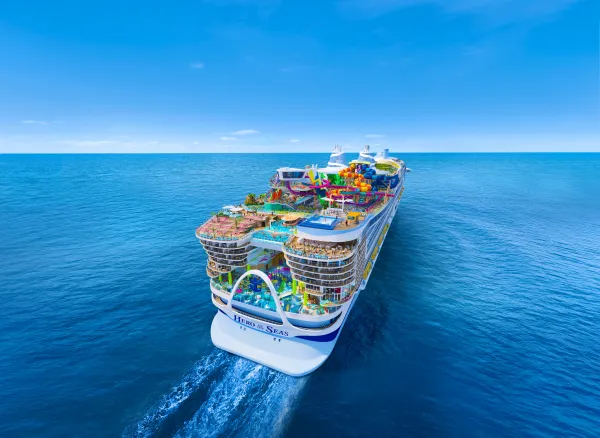
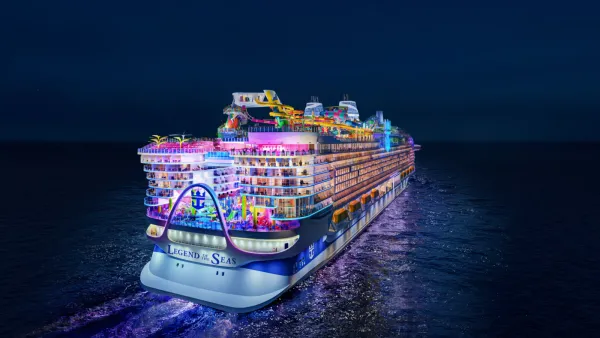
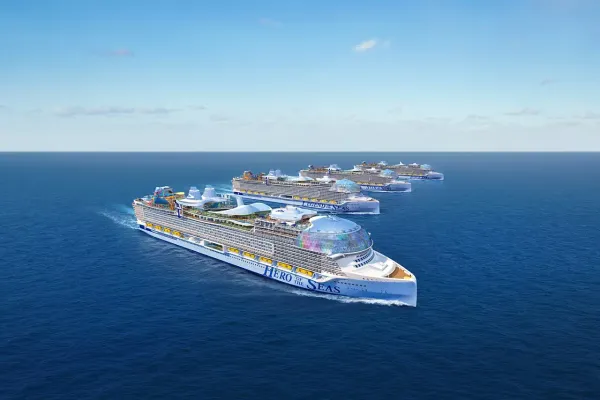
Galveston Port Continues Royal Caribbean Pier 14 Terminal Talks
Pier 14 development would require filling a slip, building bulkheads and adding a parking garage, and any new port debt would require City Council approval.
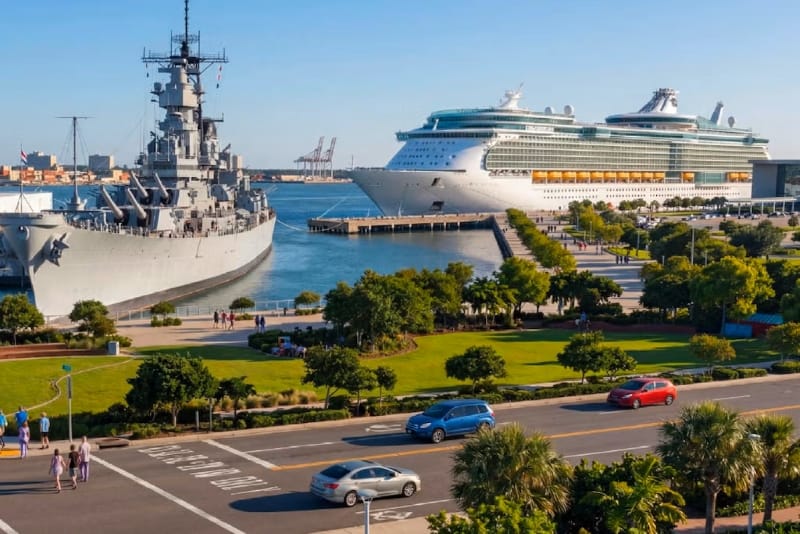
Galveston’s Fifth-Terminal Talks Get an Overdue Dose of Board Scrutiny
Galveston’s port board was asked in August to approve a second amendment to a memorandum of understanding with Royal Caribbean Group. According to board chairwoman Sheila Lidstone, trustees had approved neither the original memorandum nor its first amendment. She was uncomfortable considering another change without understanding the underlying agreement.
That is a poor position for the board overseeing a proposed fifth cruise terminal. I favor keeping negotiations moving, but trustees need a firm grip on what is being negotiated before they are asked to approve changes to it.
At its Sept. 22 meeting, the Galveston Wharves Board of Trustees unanimously voted to continue talks with Royal Caribbean Group over the proposed terminal at Pier 14. Trustees rejected a pause pending completion of a comprehensive mobility study, while adding constraints to the negotiations and requiring greater board oversight. This was permission to keep talking, not approval to build.
Port Director and CEO Rodger Rees said negotiations had already been underway for about two years. Staff had briefed trustees in closed sessions because the discussions involved financial, property and legal issues, he said.
So the board had received briefings. But Lidstone’s concern exposes the gap between receiving updates and being comfortable with the agreement itself. For a project that could require additional public borrowing and changes to city streets, closing that gap should not be optional.
The traffic and financing questions are substantial
All four existing cruise terminals sit along Harborside Drive. Lidstone said cruise traffic has become a concern in neighborhoods along that corridor and in the East End, with vehicles increasingly using 14th and 16th streets as through routes.
The mobility study’s first phase includes traffic counts at more than 40 intersections and is expected to be completed in early 2027, Rees said. Results will be made public. The port and city are still negotiating the scope and cost-sharing arrangement for the second phase.
Mayor John Paul Listowski, who also serves on the Wharves Board, said Texas Department of Transportation construction had contributed to delays in the study. Depending on the findings, improvements could involve traffic signals, lane arrangements or other city-controlled infrastructure, Lidstone said.
Those are not details to tidy up after a terminal deal is settled. They help determine whether the project works beyond the port’s property line.
Listowski also said Pier 14 would be more complicated to develop than Royal Caribbean’s Cruise Terminal 10. The project would require filling a slip, building bulkheads and adding a parking garage. It could require additional port borrowing, and any new port debt would need City Council approval.
Lidstone cited the Covid-19 pandemic when discussing the cruise industry’s susceptibility to disruption and the risks trustees must weigh in financing another terminal. Whether it proceeds will depend on the port’s ability to finance it and safely accommodate more passengers and vehicles, she said.
Rees pointed to progress on six mobility projects totaling $8.5 million, along with the 25th Street walkover and completion of the port’s internal roadway. He said those projects complement the broader study.
Residents can hear more at a public meeting on the mobility projects Thursday from 5 to 6:30 p.m. at Cruise Terminal 16, 1602 Harborside Drive. A presentation is scheduled for 5:30 p.m., with staff available to answer questions and collect feedback.
There is a reason to keep the negotiations alive
A negotiating pause would reach beyond Royal Caribbean. Rees said it would also delay planning for the proposed Battleship Texas museum and improvements at Pier 19. The museum is envisioned beside the terminal, with shared planning for parking, utilities, marine infrastructure and access roads.
The board-approved strategic master plan treats Piers 10 through 19 as a connected cruise and commercial district. Rees said planning would address pedestrian and vehicle circulation and connections to downtown. Port staff will continue meeting with Pier 19 tenants to explain proposed activities and gather input.
The wider concept includes hotels, housing, restaurants and retail. Trustees adopted an updated long-range plan in February covering the port’s cruise, cargo and commercial businesses.
That interconnected work is a sound reason to keep talking while the mobility study proceeds. It is also a reason for stronger oversight, since several of those projects depend on shared infrastructure.
An economic impact study cited in the port’s August news release estimated that a fifth terminal could support approximately 1,500 jobs, $91.5 million in personal income, $278 million in direct business revenue and $7.9 million in state and local taxes. Those are projections for the proposed development, not benefits already secured.
The port’s latest terminal expansion illustrates the time these agreements can take. Discussions with MSC Cruises began in 2022. Norwegian Cruise Line Holdings later joined, signing a 10-year agreement announced in October 2024. The resulting $156 million Terminal 16 opened in November 2025 to serve both operators.
Rees told the Chronicle that the fifth terminal could open as early as the first quarter of 2028 if Royal Caribbean Group proceeds with the partnership. “There's a lot of work that has to be done between now and then,” he said, “but once it starts, these things move pretty quickly.”
A 2028 opening should remain a target to test against the traffic and financing answers, not a deadline those answers are expected to accommodate.
See cruises departing Galveston on Cruise Lookup.