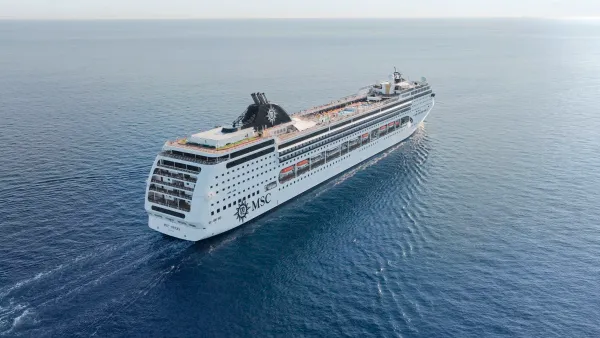
Coast Guard Investigates MSC Poesia Over Suspected Oil Discharges
More than 2,000 people were aboard when MSC Poesia was detained, prompting cancellation of an 11-night Caribbean cruise after a two-day delay.
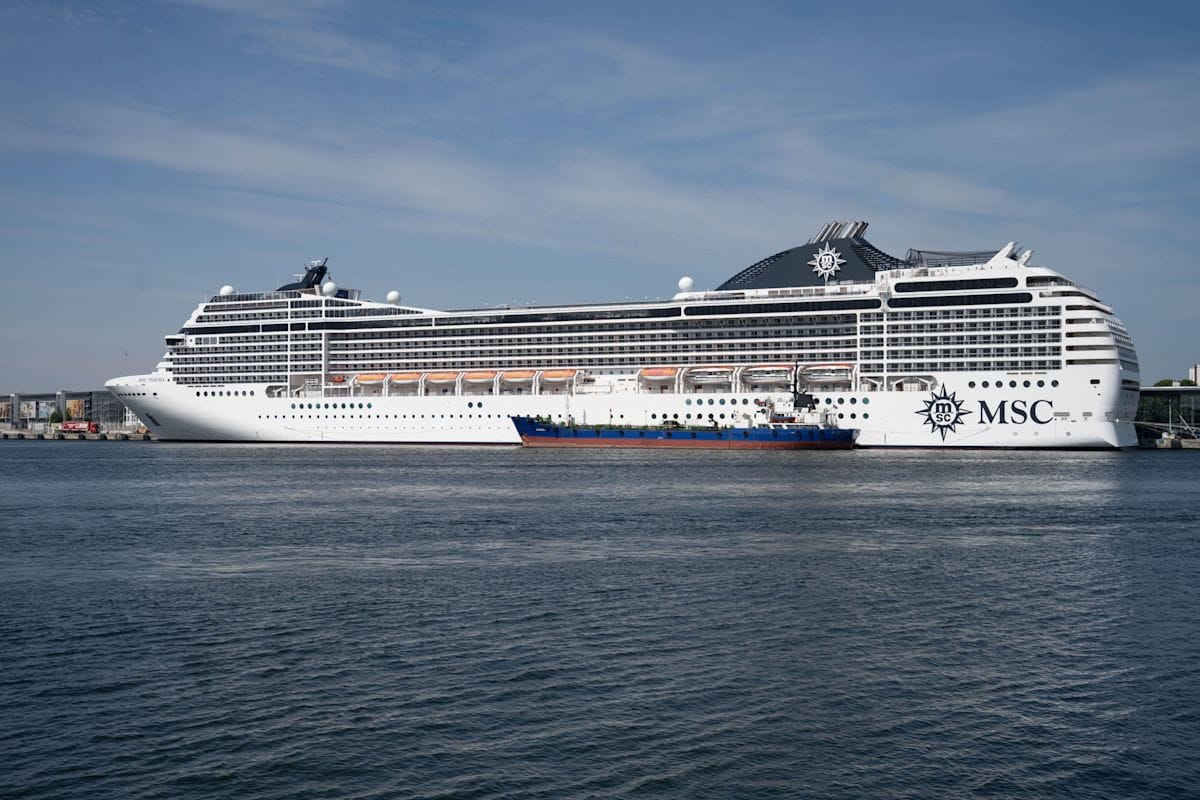
The U.S. Coast Guard has opened a criminal investigation into suspected illegal oil discharges from MSC Poesia, CBS News reported, citing a U.S. official familiar with the inquiry. The ship received clearance to leave PortMiami on November 12, 2026, following a detention that began after a November 1 inspection.
Investigators are examining a possible “magic pipe” arrangement that diverted oily waste into the vessel’s gray water system. No charges have been filed, but the inquiry could encompass crew members, the vessel’s owner and others directly involved, the official told CBS News.
The Coast Guard permitted the ship to resume sailing after confirming that the safety and environmental deficiencies behind the detention had been corrected. Detailed inspection findings have not been made public.
“We have identified deficiencies with systems on board the vessel that we are addressing with MSC,” Captain Frank Florio, commander of U.S. Coast Guard Sector Miami, said at the time of the detention. He declined to discuss specifics of the ongoing port state control examination.
MSC Cruises previously described the detention as a “regulatory matter” and said it was cooperating fully with authorities. The operator has not publicly commented on the criminal investigation.
The cruise that never sailed
More than 2,000 people were aboard when the ship was detained. Built in 2008, the 92,627-gross-ton MSC Poesia accommodates approximately 2,550 passengers at double occupancy.
After a two-day delay, MSC cancelled the scheduled 11-night Southern and Western Caribbean cruise. Its itinerary included Jamaica, Colombia, Panama, Costa Rica, Honduras and Belize.
Affected guests received a full cruise-fare refund and a future cruise credit equal to that fare. They were allowed to stay aboard until noon on November 5 while arranging onward travel.
What the law says about oily waste
The alleged arrangement would have sent oil into a wastewater stream used for discharges from sources such as sinks and showers. Gray water is subject to its own treatment and discharge restrictions; using that system to dispose of oil would violate federal law. Whether such a diversion occurred aboard MSC Poesia remains under investigation.
MARPOL Annex I sets requirements for oil-pollution prevention, including oily-water separation and monitoring equipment, retention of oil residues and Oil Record Book entries. The Act to Prevent Pollution from Ships, or APPS, provides the U.S. enforcement framework for MARPOL requirements.
Through port state control, the Coast Guard can examine foreign-flagged vessels calling at U.S. ports and inspect their pollution-prevention equipment and records. It can also detain ships with deficiencies requiring corrective action.
Criminal fines under APPS can reach $250,000 per offence for individuals and $500,000 for organisations, or twice the financial gain or loss resulting from an offence. The law also allows liability for resulting fines to attach to the vessel itself and permits departure clearance to be withheld where liability is suspected.
Princess Cruises received a $40 million penalty in 2016 over oily-waste discharges. The line pleaded guilty to seven felony charges, and the fine was the largest of its kind at the time.
MSC Poesia has resumed service on a 10-night Eastern Caribbean cruise calling at St. Thomas, St. Kitts, St. Maarten, Antigua, San Juan and Puerto Plata. The ship is scheduled to return to Miami on November 22.