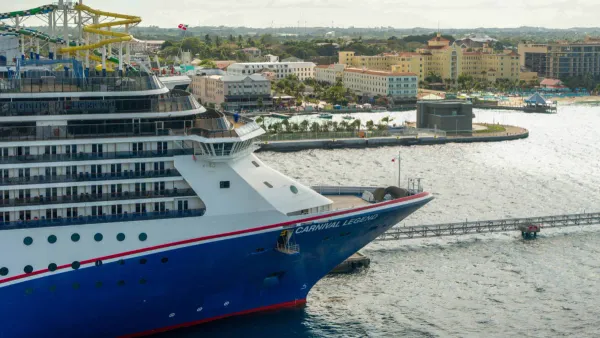
Carnival Replaces Self-Muster With Full Drills on Two Sailings
Passengers will report to assigned muster stations together for life-jacket demonstrations, emergency instructions and the horn signal of seven short blasts and one long blast.
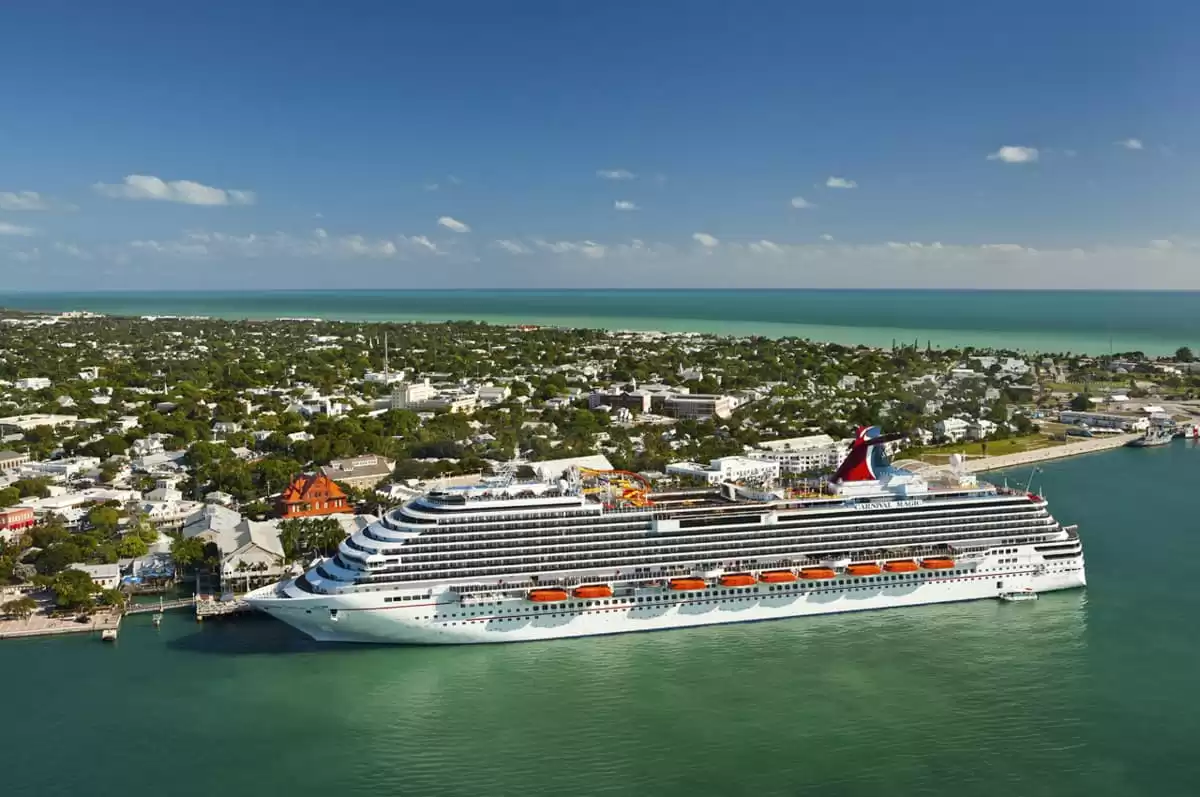
Carnival Cruise Line will require all passengers aboard Carnival Magic’s September 13, 2026 departure from Miami and Carnival Paradise’s September 14 departure from Tampa to attend collective, in-person safety drills before sailing. The line notified booked guests that the full drills will replace the self-muster process used on most Carnival departures.
The format requires passengers to report to their assigned muster stations at the same time. Crew conduct life-jacket demonstrations and review emergency procedures.
What passengers should expect
“A full safety drill will take place on your upcoming sailing,” Carnival told guests in its advisory. “This is a mandatory procedure, and all guests will be required to participate.”
Shipwide announcements will direct passengers to their muster stations. Once guests have assembled, crew members will demonstrate life-jacket use, emergency procedures will be announced and the ship’s horn will sound the emergency signal of seven short blasts followed by one long blast.
A full drill generally takes 20 to 45 minutes, depending on the size of the ship and how quickly passengers reach their stations. Carnival Magic can carry approximately 4,724 guests when all berths are occupied, while Carnival Paradise has a maximum capacity of about 2,606.
Under Carnival’s standard self-muster process, passengers can visit their assigned station individually before departure and check in with crew members. Life-jacket demonstrations are available, while safety instructions and the emergency signal are presented later over the public-address system without requiring everyone to remain at the muster station.
Crew members issue reminders as departure approaches and may call the names of passengers who have not completed the check-in.
What the safety rules require
SOLAS requires newly embarked passengers on voyages lasting more than 24 hours to be mustered before or immediately after departure. Instructions must cover life-jacket use and the actions passengers should take during an emergency; announcements, cards, posters and videos can support that briefing.
The convention also requires designated muster stations near embarkation points, with at least 0.35 square meters of space per passenger for marshalling and instruction. Ships must carry muster lists detailing alarm and public-address arrangements, passenger and crew responsibilities, and the procedure for issuing an abandon-ship order.
U.S. Coast Guard requirements similarly cover posted emergency instructions, muster locations, emergency signals and life-jacket information.
How often Carnival runs full drills
Carnival brand ambassador John Heald addressed the line’s periodic use of the collective format in October 2025, when questions arose about whether Carnival would permanently discontinue self-mustering. “This is something that every single ship needs to do twice a year,” he said, citing the U.S. and Australian coast guards, other government agencies and SOLAS.
Carnival has previously conducted full drills involving passengers aboard Carnival Sunshine, Carnival Liberty, Carnival Valor and Carnival Conquest. The line generally sends affected guests an advisory several days before embarkation to explain the change in procedure.
Compare Carnival Cruise Line sailings by price on Cruise Lookup.