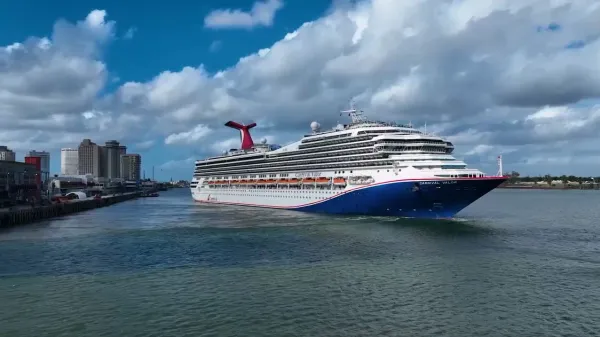
BVI Cruise Tax Proposal Seeks $30 Million With Spending Questions
Vanterpool described a phased rise from $16 to $20 within two years, then $22 and $25, while a regional consultation document lists a $15 visitor head tax.
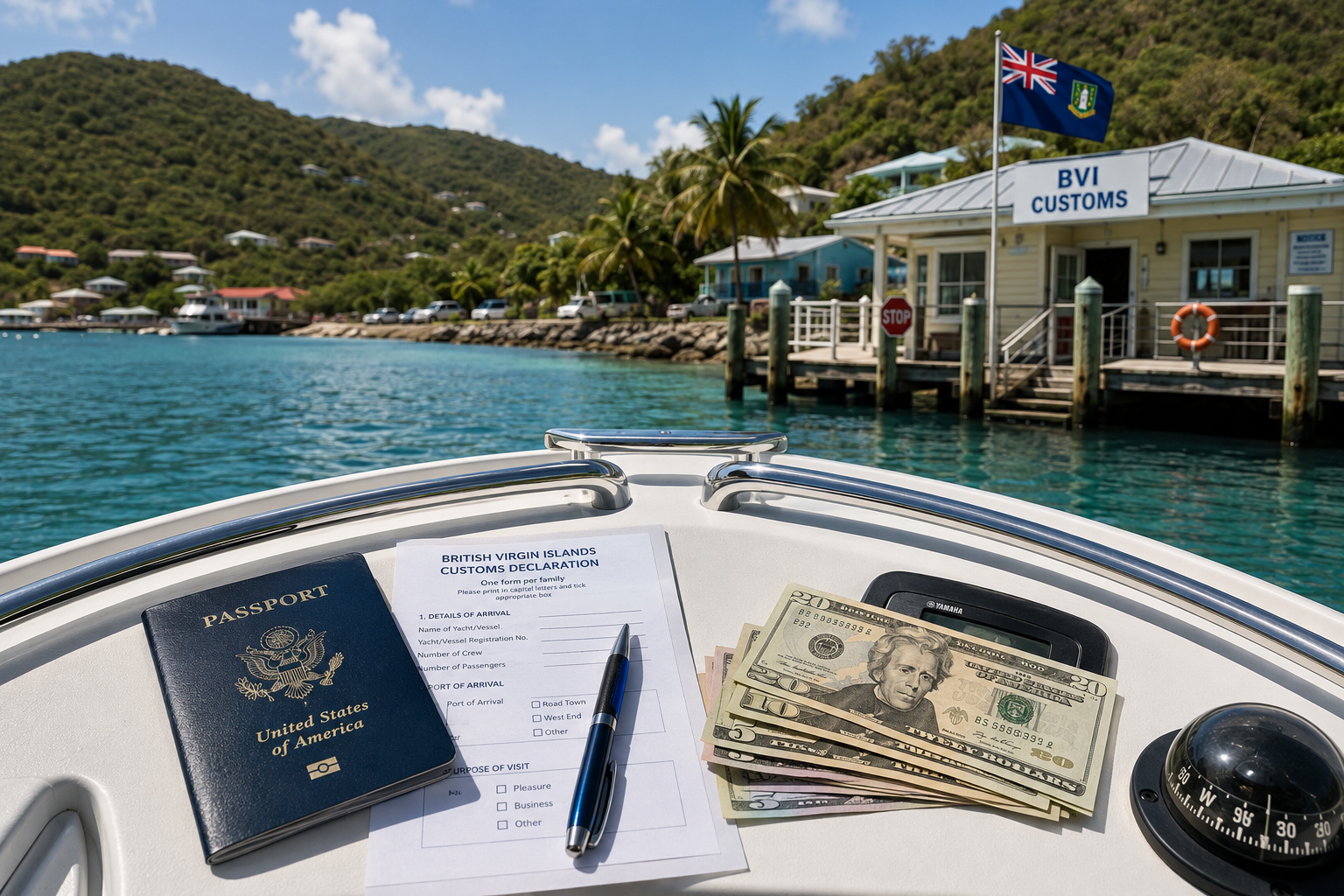
The BVI’s $25 Cruise Tax Proposal Needs a Clearer Plan for the Money
Mark Vanterpool is talking about as much as $30 million a year in cruise head-tax receipts for the British Virgin Islands. Alongside that number, I’d want a clearer account of where the money would go. A regional tourism consultation document says the existing charge is being used to repay a BVI Ports Authority loan.
Reviewing the tax makes sense. But the case for charging cruise passengers more should rest on what the increase would deliver for the territory, not simply how much the authority could collect.
Vanterpool, leader of the People’s Leadership Movement and a former Communications and Works Minister, has proposed raising what he described as a $16-per-passenger charge to $20 within two years, then to $22 and eventually $25.
Using an arrivals range of 1 million to 1.2 million cruise passengers, he estimated annual head-tax receipts could reach $25 million to $30 million. Those are projected total receipts, not an additional $25 million to $30 million on top of existing collections. He said the revenue could benefit the Ports Authority and help finance public services across the territory.
Review the agreement, and explain the commitments
Speaking on the PLM’s People’s Mic podcast, Vanterpool linked his proposal to agreements associated with the development of Cyril B. Romney Tortola Pier Park. He described the original deal as dating back 15 years and questioned whether its terms should be revisited as the agreement approached the end of its stated period.
“Are we going to start looking at increasing that?” he asked.
That is a fair question to put on the table. An agreement approaching the end of its term deserves scrutiny, including whether the passenger charge still serves the territory’s needs. But that review should also explain the existing financial commitments and how higher receipts could be divided between them and any wider public spending.
Even the starting rate needs clarification. Vanterpool used $16, while the regional tourism consultation document lists a $15-per-visitor head tax collected by the Ports Authority.
The statutory passenger levy is governed by the Passengers Tax Ordinance, Cap. 208. Rates and administrative arrangements are prescribed through orders under section 7, with the consolidated legislative index listing the Passengers Tax Order, 2013, S.I. 38/2013, among those instruments. Vanterpool’s proposed increases are not an enacted rate schedule.
A separate levy debate is already under way
The head-tax proposal forms part of Vanterpool’s broader call to review tourism revenues. He also suggested increasing accommodation tax from 10% to 12% and the separate environmental entry levy from $10 to $20.
Cruise passengers are currently exempt from the environmental levy under existing berthing arrangements. Former Junior Minister Shereen Flax-Charles renewed her call to charge those visitors in January 2025.
Premier Dr. Natalio Wheatley acknowledged that proposal but warned that additional charges could deter cruise visits. His caution concerned that earlier environmental-levy proposal, not Vanterpool’s latest head-tax suggestion.
The BVI’s 2026–2036 National Tourism Policy separately proposes including cruise passengers in the Environment and Tourism Improvement Levy framework. That would require enabling legislation, regulations and consultation, followed by new or amended cruise-berthing arrangements. It is not simply another charge ready to be added to the bill.
Public revenue and local spending are different gains
Vanterpool also argued for more opportunities to increase passengers’ spending ashore. He estimated that visitors currently spend less than $100 each in the territory and identified taxi operators, restaurants, shops, beaches and vendors as beneficiaries of cruise tourism.
I agree with keeping those direct economic gains in the discussion. A higher head tax can raise public revenue, but it does not itself increase a restaurant bill or a vendor’s sale. Both may benefit residents, but they do so through different routes.
The territory can review what it charges cruise passengers while also pursuing more spending with local businesses. Neither should be presented as a substitute for the other.
For the head-tax increase, though, the next step should be specific: explain the debt commitments, the money available beyond them and the public services a higher rate could support. A $30 million revenue projection is not yet a $30 million public-services plan.