Australia Extends Cruise Exemption to 2028 With New Crew Protections
From January 1, 2027, eligible operators’ policies and seafarer agreements must not restrict collective bargaining, and they must report onboard complaints to the Australian Maritime Safety Authority.

Australia’s final cruise exemption needs more than an expiry date
Australia has extended its cruise exemption until December 31, 2028, and says this will be the last extension. Yet the government has not announced the rules that will replace it, or a timetable for introducing them.
Keeping eligible cruise operators able to carry passengers between Australian ports without a coastal trading licence is a sensible decision. I want to see a reform timetable attached to that final deadline, though. A firm expiry date without replacement arrangements leaves a substantial planning problem unresolved.
Federal Transport Minister Catherine King said the extension would support cruise tourism and the port communities that depend on it while protecting seafarers’ rights. The exemption excludes services between Victoria and Tasmania, where Australian general-licence holders already operate.
The decision also introduces crew-protection conditions, including a requirement from January 1, 2027, that shipowners’ policies and seafarer employment agreements must not restrict collective bargaining. Eligible operators will also have to give the Australian Maritime Safety Authority information about onboard complaints under the Maritime Labour Convention.
Useful breathing room for Australian sailings
Cruise Lines International Association Australasia Executive Director Joel Katz welcomed the extension, citing annual economic benefits exceeding $7 billion. He said “regulatory certainty is essential to protect more than 22,000 Australian jobs that rely on the sector.”
That activity extends beyond the ships to travel agents, hotels, tourism operators, food suppliers and maritime services.
The previous extension was announced in August 2024. CLIA has stressed that deployments are planned and booked several years ahead, meaning operators can be making commercial commitments before the rules governing those sailings are settled.
That is the practical reason to welcome this extension. It preserves access through a defined period. But the further ahead an operator plans, the sooner December 2028 becomes a constraint rather than a reassurance.
Crew conditions arrive amid a bargaining dispute
“By making the Maritime Labour Convention (MLC) explicit within the exemption, the Government is reinforcing obligations that cruise lines already meet,” Katz said of the new conditions.
AMSA already enforces maritime labour requirements through the Navigation Act 2012 and Marine Order 11, including port-state-control inspections of foreign vessels. It can investigate seafarer complaints, require corrective action and detain vessels that fail to meet MLC requirements covering wages, working and rest hours, medical care, accommodation and complaint procedures.
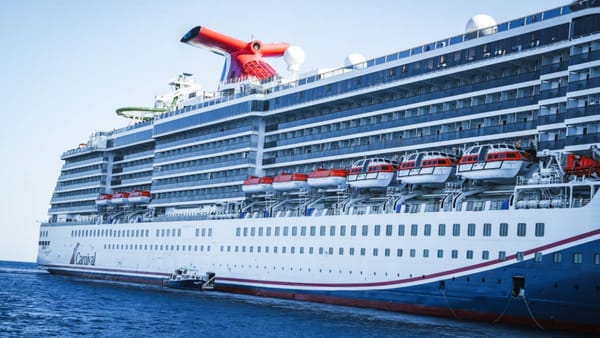
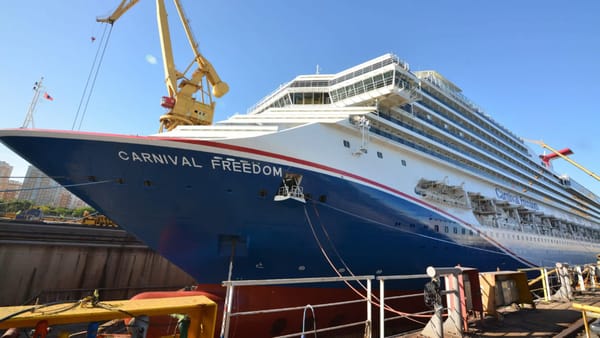
The collective bargaining conditions arrive amid a dispute between Carnival Cruise Line Australia and the Maritime Union of Australia. The union is seeking a collective agreement covering Carnival’s Australian operations, including improved pay, regular days off and onboard union support. It alleges Carnival has refused to enter bargaining negotiations.
“The exemption shouldn’t exist at all. The government should do an investigation into the industry,” said Jake Field, the union’s national secretary.
In a July 2 statement, AMSA confirmed that the union had lodged a formal complaint on June 30 alleging Carnival was failing to meet crew members’ collective bargaining rights under the MLC. The government’s exemption announcement did not name Carnival or the union.
Crew members interviewed by ABC News also alleged 12-hour working days, seven days a week, wages below $3 an hour, inadequate medical care and unsafe drinking water. Carnival denied those allegations and said its ships complied with international standards.
In August, AMSA told Cruise Passenger that inspections of Carnival Encounter, Carnival Adventure and Carnival Splendor had found no deficiencies. Carnival described those inspections as unannounced.
Carnival and Royal Caribbean did not comment to ABC News on whether they would begin bargaining with crews. Carnival said it was considering the details of the government’s announcement.
Replacement rules have yet to be announced
The Coastal Trading (Revitalising Australian Shipping) Act 2012 regulates commercial passenger and cargo movements between Australian ports through a licensing system, generally covering interstate voyages. Temporary licences, generally used by foreign-flagged vessels, authorise specified voyages for up to 12 months.
An independent review co-chaired by Lynelle Briggs and Professor Nicholas Gaskell is examining whether those licensing arrangements remain fit for purpose and how the legislation should support Australia’s proposed strategic fleet.
King said broader reforms would seek to provide longer-term certainty for cruise while protecting seafarers and strengthening Australian maritime capability. The government is considering the review’s final report, but its findings have not been made public.
Those are substantial issues to resolve, and the crew dispute makes clear that keeping the exemption unchanged would not satisfy everyone. Even so, calling this the final extension raises the standard the government has to meet. Operators should not have to start selling the next round of Australian sailings before they can read the rules that will govern them.