Vancouver Hits 1 Million Cruise Passengers Processed by Biometrics
The terminal typically runs four biometric stations on cruise days, with twelve tables available for peaks and staff adjusting tablet heights for passengers.
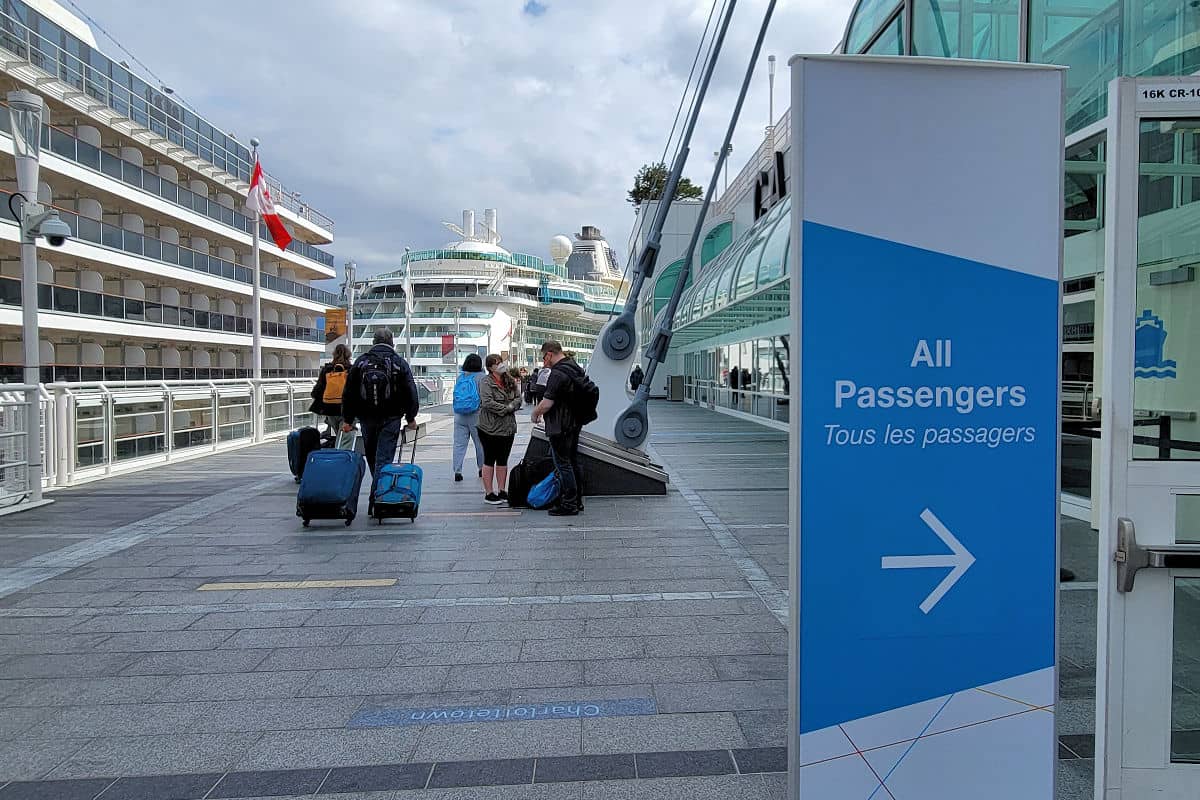
The Port of Vancouver processed its one millionth cruise passenger through facial biometric embarkation at Canada Place Cruise Terminal on June 8, two years after introducing the system for Alaska cruise departures. The count reached one million as the Fullerton family from Kentucky arrived to board an Alaska-bound cruise from Vancouver.
The milestone comes as Vancouver expects 357 cruise calls and 1.4 million passengers in 2026, following about 1.32 million passengers in 2024 and 1.2 million in 2023. At Canada Place, a three-berth terminal whose older layout requires managed passenger flow, the port is using biometric processing to shorten the U.S. Customs and Border Protection portion of embarkation.
CBP processing times fall from minutes to seconds
Facial biometrics went live at Canada Place in June 2024. The port says Vancouver is the only port using facial biometrics for cruise embarkation.
Chance McKee, senior trade development account representative for the Port of Vancouver, said the shift from automated passport control kiosks has reduced average per-passenger processing time through U.S. CBP by about 94 percent. Passenger processing now takes about 10 seconds, down from roughly two to three minutes under the previous kiosk process, and the port says total embarkation time has fallen from about two hours to about 30 minutes.
“It has increased our overall efficiency,” McKee said. “It has improved border protection, and it has increased and enhanced the overall passenger experience.”
“Initiatives like this come about by industry and government partnering together,” McKee said.
The CBP process compares a live image taken at the terminal with a passport or immigration photo. U.S. citizens may opt out and receive manual inspection; DHS says photos of U.S. citizens are retained for up to 12 hours, while non-citizen images may be kept in a central biometric database for up to 75 years.
Peak-day operations at Canada Place
McKee said the terminal typically uses four biometric stations on cruise days, with 12 tables available for peak periods. On three-ship days, the port generally processes about 1,000 passengers an hour during the 11 a.m. to 1 p.m. window.
Staff remain positioned at the biometric area to adjust tablet heights and remind passengers to remove hats and glasses. An instructional video also plays before passengers enter the area so they know what to expect at the tablets.
The port has expanded terminal infrastructure for cruise check-in, adding 10 data connection points that allow passenger check-in locations beyond Hall C. Two new elevators are also being installed for passenger movement between luggage drop-off on parking level 2 and the ground level.
Canada Place’s five-sail building and cruise terminal are in their 40th year of operations. Holland America Line’s Noordam made the first cruise call at the terminal in April 1986, and Eurodam opened Holland America’s 40th season calling Vancouver on April 24.
World Cup period adds near-term traffic
During the FIFA World Cup 2026 period, the port expects about 60,000 cruise passengers at Canada Place from June 11 to July 19. More than 200 Destination Vancouver volunteers are supporting visitor locations this season, including information kiosks near Canada Place.
See cruises departing Vancouver on Cruise Lookup.