Supreme Court Revives $440 Million Cuba Cruise Port Case
Havana Docks says the cruise lines brought nearly one million tourists through the disputed facilities and paid at least 130 million dollars to Cuba.
The U.S. Supreme Court revived Havana Docks Corporation’s Helms-Burton Act case against Carnival Corporation, Royal Caribbean Cruises, Norwegian Cruise Line Holdings and MSC Cruises over their use of Havana port facilities during Cuba cruises from 2016 to 2019. The 8-1 decision, issued Thursday, was written by Justice Clarence Thomas for the majority.
The ruling vacates an 11th U.S. Circuit Court of Appeals decision that had favored the cruise operators and puts more than $440 million in combined judgments back into litigation. The decision does not end the case; it allows Havana Docks’ claims to proceed while leaving other defenses for the lower court.
Court rejects expired-concession argument
Havana Docks held a long-term concession to develop and operate piers at the Port of Havana before the Cuban government seized the facilities in 1960. The cruise lines argued that the concession would have expired in 2004, more than a decade before they began calling in Havana, and therefore could not support liability for later cruise operations.
The Supreme Court rejected that reasoning. “Havana Docks has shown that the cruise lines used confiscated property in which Havana Docks had a property interest and to which it owns a claim,” Thomas wrote.
A federal judge in Miami previously found the cruise operators liable and awarded more than $100 million against each defendant. The 11th Circuit later reversed, concluding that the cruise lines’ calls from 2016 to 2019 did not interfere with a property interest that would still have existed if Cuba had not confiscated the docks.
The majority said Havana Docks did not have to prove that kind of continuing property interest. Instead, the court held that Title III of the Helms-Burton Act generally reaches commercial use of property “tainted” by a past Cuban confiscation when a U.S. national owns a claim to that property.
Cruise lines point to unresolved defenses
The voyages at issue occurred during the reopening of U.S. cruise travel to Cuba after the Obama administration eased restrictions. The cruise lines have argued that they operated under U.S. government authorization; in a joint court filing, they said it defied common sense that they should face hundreds of millions of dollars in exposure for following federal policy on Cuba travel.
Carnival Corporation and Royal Caribbean Group said they were disappointed with the ruling. “The decision leaves several of our key legal arguments unresolved,” the companies said in a joint statement, adding that they intend to pursue those arguments in the 11th Circuit.
Norwegian Cruise Line Holdings said it does not comment on ongoing litigation. MSC Cruises did not immediately provide a public position.
Justice Elena Kagan, the lone dissenter, said the majority misread the statute. “The docks belonged to the Cuban Government — not Havana Docks — all along,” Kagan wrote, arguing that Havana Docks’ time-limited interest expired in 2004.
Justice Sonia Sotomayor, joined by Justice Brett Kavanaugh, concurred in the result but warned that a broad reading of Title III could let a claimant pursue a “potentially unlimited amount of money” from later users of the same property. She also pointed to a possible statutory exception for transactions tied to lawful Cuba travel.
Helms-Burton exposure returns to the foreground
Title III of the Cuban Liberty and Democratic Solidarity Act, commonly known as the Helms-Burton Act or Libertad Act, allows certain U.S. nationals to sue over commercial use of property confiscated by the Cuban government. Presidents of both parties suspended that private right of action for years before President Donald Trump allowed the suspension to lapse in 2019.
The Foreign Claims Settlement Commission certified Havana Docks’ loss at about $9 million, with interest accruing at 6% per year. Title III damages can be based on certified claim value, other statutory measures or fair market value, and in some cases can include treble damages plus costs and attorneys’ fees.
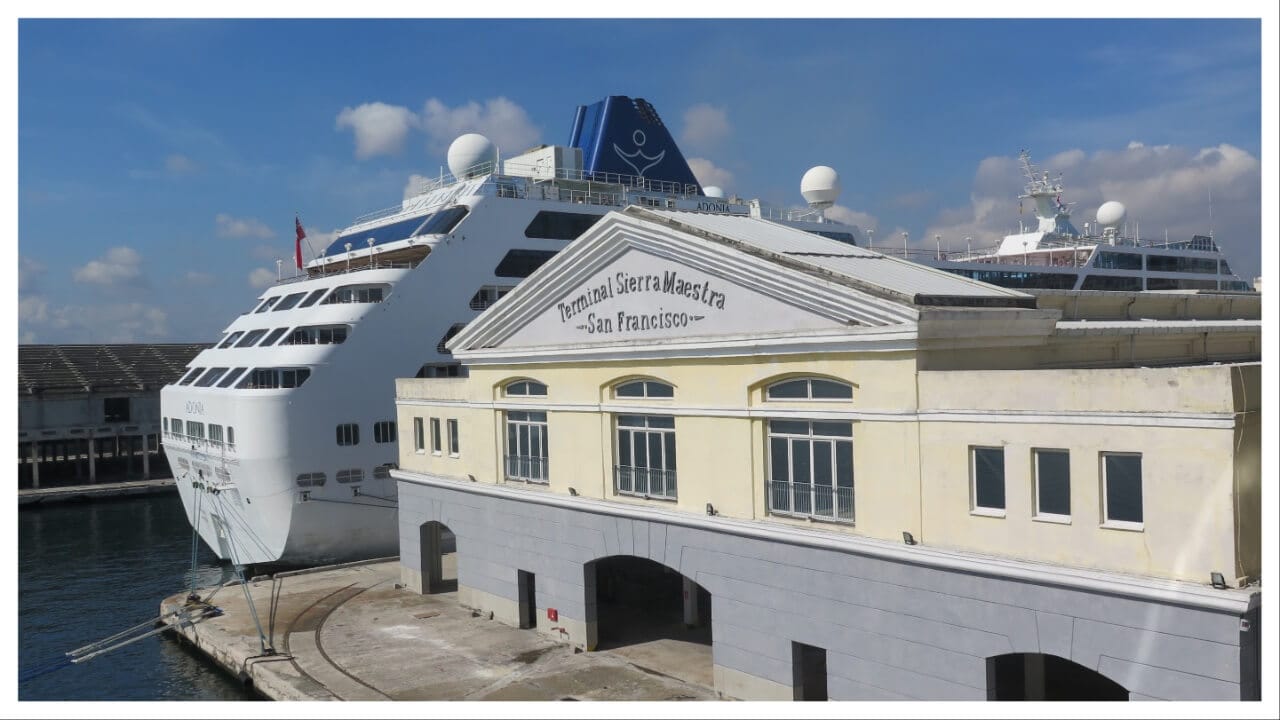
Havana Docks has said the cruise lines brought nearly one million tourists through the disputed facilities and paid at least $130 million to Cuba without paying the company or Cuban entities unaffiliated with the government. The main cruise terminal in Havana is the Sierra Maestra Terminal in Old Havana, a three-berth facility near the city’s historic core.
One day before the ruling, the Department of Justice indicted former Cuban President Raúl Castro on charges tied to the 1996 shootdown of two civilian aircraft that killed four people, including three Americans; Acting U.S. Attorney General Todd Blanche said President Trump would soon make an announcement on the Cuban embargo.
The case now returns to the 11th Circuit for arguments the Supreme Court did not address. A separate Helms-Burton case argued before the justices, ExxonMobil’s claim against Cuba’s state-owned Corporación CIMEX over seized oil and gas assets, remains pending.