Royal Caribbean Settles Lawsuit Over Michael Virgil’s Death
Court records say the payment will go to Virgil’s son; the amount was not disclosed, and the settlement is not an admission of liability or wrongdoing.
Royal Caribbean Settles Virgil Lawsuit, but the Restraint Still Demands Scrutiny
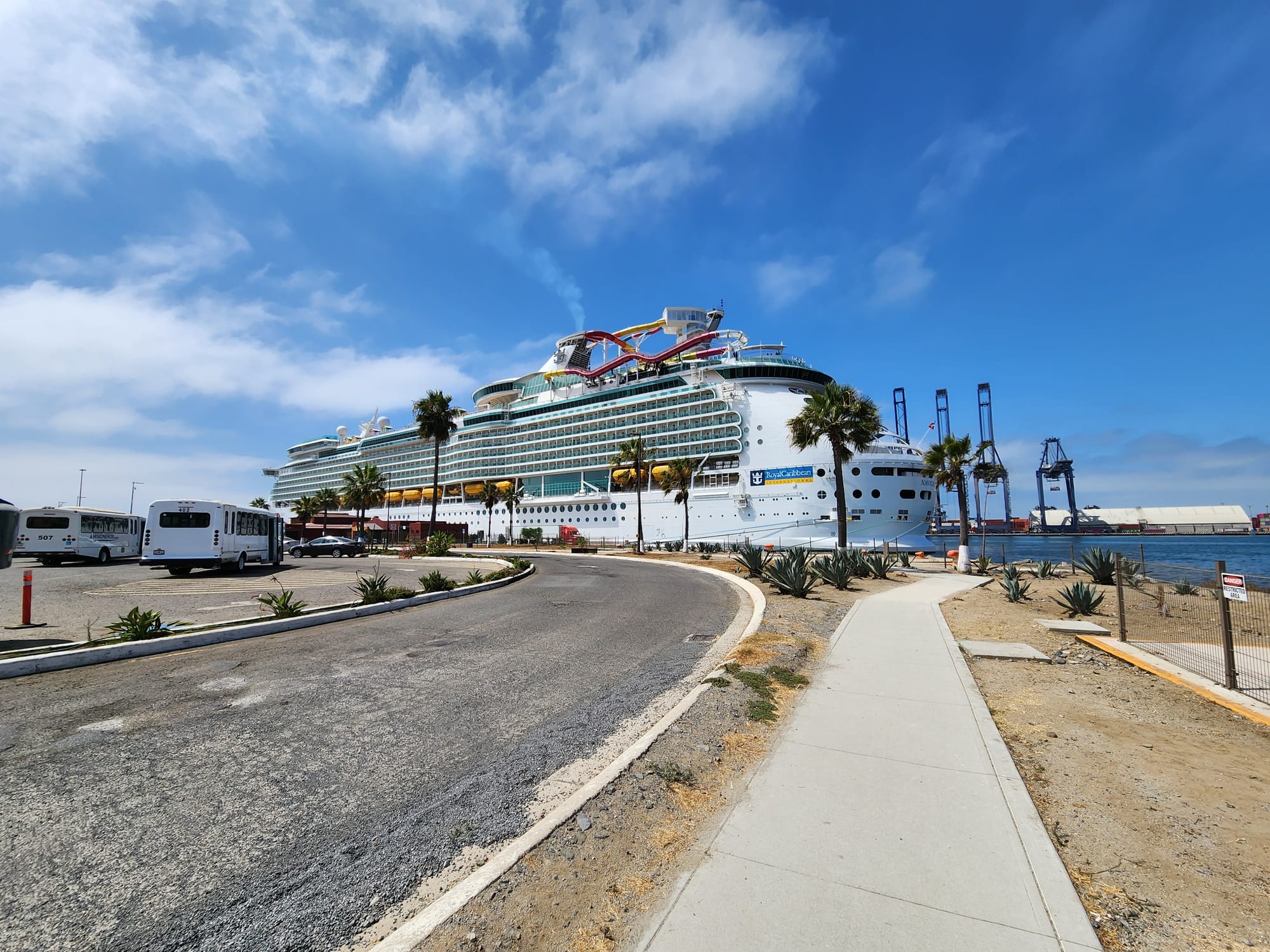
Michael Virgil stopped moving two minutes into a three-minute face-down restraint aboard Navigator of the Seas, according to the coroner’s report. Guards were on top of him, and pressure on his body restricted his breathing.
I’d put that sequence at the center of the safety discussion around his death. The lawsuit’s allegation that Royal Caribbean served him 33 alcoholic drinks deserves scrutiny, but it should not overshadow what the medical examiner documented about the restraint itself.
Royal Caribbean has reached a settlement in the federal lawsuit over Virgil’s death aboard the ship on December 13, 2024. The payment will go to his son, Michael Virgil Jr. Court records do not disclose the amount, and the settlement is not an admission of liability or wrongdoing.
Attorney Kevin Haynes filed the action in U.S. District Court in Florida for Connie Aguilar, Virgil’s fiancée and the boy’s mother. The lawsuit alleged negligent alcohol service and sought $75,000, including compensation for lost financial support, Virgil’s suffering before his death and his family’s emotional loss.
Because the beneficiary is a minor, the settlement required additional court approval. Other terms were filed under seal on September 1. Haynes and Royal Caribbean had not responded to requests for comment.
Alcohol service before the confrontation
Virgil, 35, of Moreno Valley, California, was traveling with Aguilar and family members on a four-day sailing from San Pedro to Ensenada. According to the lawsuit, they boarded at about 11 a.m., and ship staff directed him to a bar because their cabin was not ready.
The coroner’s report said Virgil had purchased an alcoholic-drink package. Royal Caribbean’s main alcohol offering, the Deluxe Beverage Package, includes unlimited cocktails, beer, spirits and wine by the glass. The company’s website says beverages are provided one at a time.
That one-at-a-time rule describes how drinks are handed over. It does not answer the allegation about how much alcohol was served to this passenger.
California does not regulate liquor sales aboard cruise ships once they depart a port, according to Devin Blankenship, a spokesman for the state Department of Alcoholic Beverage Control.
Shortly after the ship departed at 4 p.m., Virgil became agitated because his intoxication made it difficult to locate his cabin, Haynes previously said in a written statement.
The coroner’s report, citing an FBI investigator, described a serious threat to people aboard. Virgil threatened passengers and staff, kicked and banged on doors, and removed ceiling panels that he wielded as weapons. Security had a dangerous situation to stop. That part of the account should not be softened.
The restraint and the medical findings
According to the coroner’s report, security guards arrived at about 6:10 p.m. They secured Virgil’s ankles with zip ties and handcuffed his wrists. Guards used pepper spray, and a doctor administered a sedative by injection.
Virgil was pronounced dead at 8:32 p.m.
The Los Angeles County Medical Examiner classified the death as a homicide, attributing it to the combined effects of mechanical asphyxia, obesity, alcohol intoxication and an enlarged heart. That medical classification is not a finding of criminal guilt. No criminal charges against the crew members involved have been publicly reported.
The autopsy identified substantial medical vulnerabilities. Virgil’s body mass index was 49.3, placing him in the severely obese category. The report explained that this increased his oxygen requirements and his risk of collapse under stress.
His heart weighed 560 grams, compared with the report’s normal male range of 230 to 383 grams, increasing the risk of sudden heart failure during a physical confrontation. A blood-alcohol measurement taken three days after his death was 0.182. The coroner’s report said that level of intoxication could also have impaired his breathing.
Those findings make this a more complicated death than either an alcohol-service allegation or a description of passenger violence can explain on its own. They also make the handling of the restraint essential to understanding what happened.
I’d want any safety review to explain how Virgil’s breathing was monitored during the restraint and how the team responded when he stopped moving. A passenger who is no longer fighting is not necessarily a passenger who has been safely subdued.