Portsmouth Tests Filters to Curb Cruise Laundry Microfibers
Industrial laundry is emerging as a blind spot in microfiber pollution, with cruise ships and hotels facing growing pressure to curb waste before it reaches the sea.
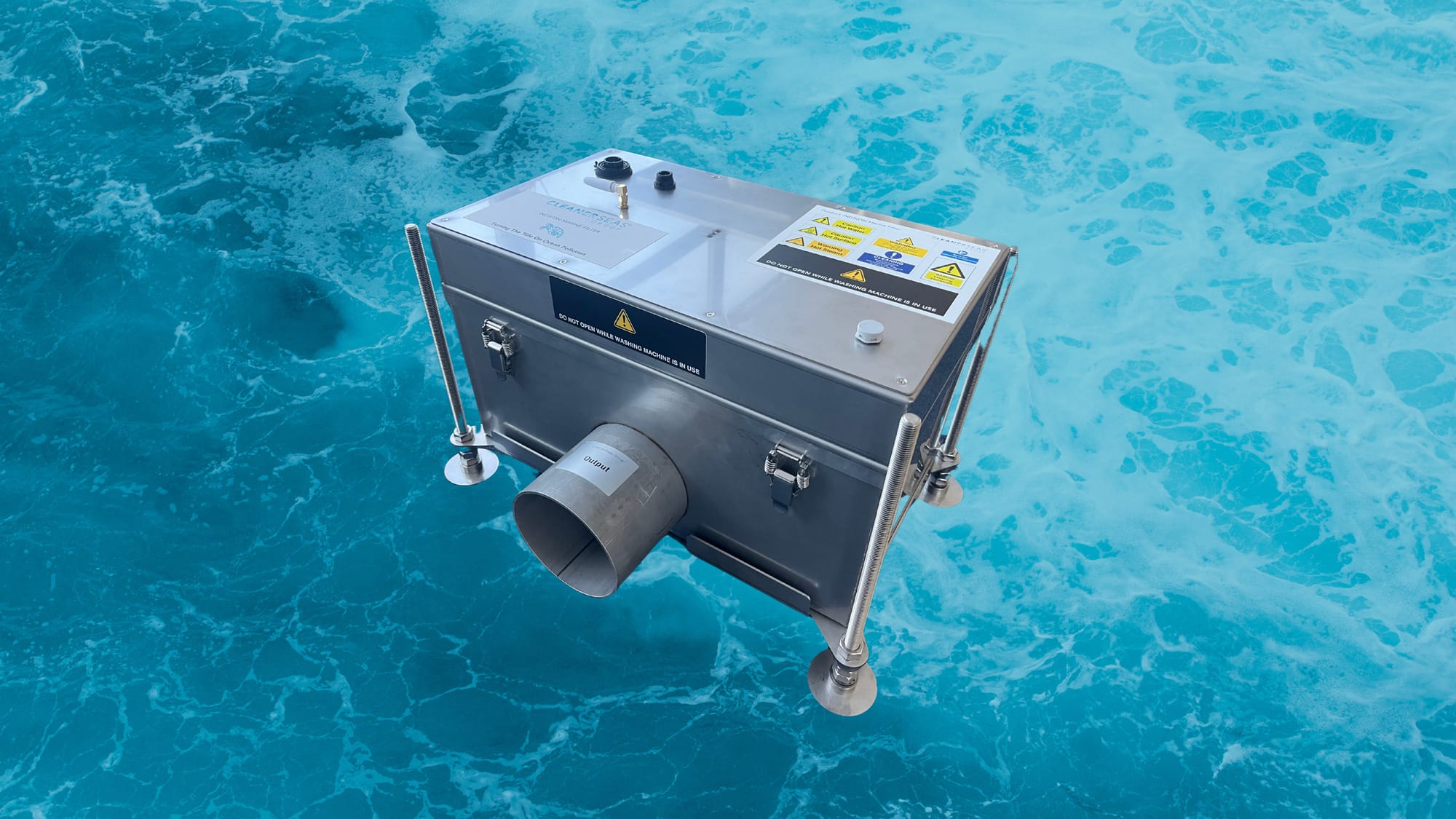
The University of Portsmouth is testing Cleaner Seas Group's industrial microfiber filters on laundry systems serving the cruise and hotel sectors, aiming to measure how many plastic fibers are captured before wastewater is discharged. Early in-situ trial material has already produced hundreds of microplastic threads from a subsample smaller than a pound coin.
The project shifts attention from domestic washing machines to industrial laundry, where cruise ships and hotels process large volumes of textiles each day. Researchers will use the university's laboratory to examine Cleaner Seas samples and identify the volume and type of fibers removed from greywater when filters are attached directly to washing machines.
Testing filters on industrial washers
Felicity Webster, research associate at the University of Portsmouth's Revolution Plastics Institute, is carrying out the initial work. "Even from our very first subsample, we were struck by the sheer number of fibers captured," Webster said.
The trial will test washing machines in operating settings over the next four months with permission from industry partners. The university did not identify the participating cruise or hotel operators.
Earlier data showed that a single domestic wash can release more than 700,000 microfibers from clothing. Industrial laundry raises a different operational question, because the same process is multiplied across thousands of sheets, towels, pillowcases and uniforms.
Professor Fay Couceiro, from the university's School of Civil Engineering and Surveying, said microfiber contamination is already widespread. "Microfibers are now found everywhere from deep ocean sediments to the food we eat," Couceiro said. She added that preventing pollution at source is one of the most effective ways to reduce long-term marine harm.
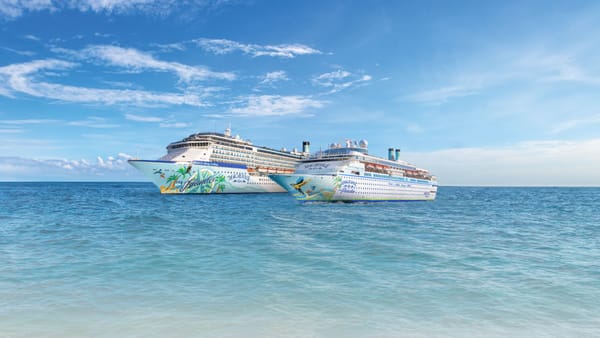
Cleaner Seas Group, based in Bude, Cornwall, was founded in 2017 and develops microfiber filtration systems for domestic, commercial and industrial washing. Its product line includes the commercial INDIKON Professional Microfibre Filter Systems and a domestic Indi Filter. Marella Cruises uses Cleaner Seas filters across its fleet.
Why cruise laundry is part of the wastewater issue
Large cruise ships carrying about 6,000 passengers and crew can produce between 900,000 and 1.2 million liters of greywater a day, equivalent to as many as 8,000 bathtubs. A substantial share comes from onboard laundries, which may process several tons of laundry daily.
Laundry discharge is part of greywater, a wastewater category that also includes used water from sinks, showers, bathtubs and dishwashers. It is distinct from sewage and machinery-space drainage, and its regulation varies by jurisdiction.
International rules under MARPOL Annex IV require ships to use approved sewage treatment systems and limit sewage discharges by distance from shore, but no international law specifically regulates greywater discharge. Canada prohibits greywater discharge within three nautical miles of shore and requires treatment with sewage through approved marine sanitation devices between three and 12 nautical miles. Alaska also requires treated greywater before discharge.
Dave Miller, CEO of Cleaner Seas Group, said water and wastewater are already major operating issues for cruise and tourism companies. "Microfiber pollution may be invisible, but at scale it cannot be ignored," Miller said. Results from the trial are due later this year.