Hapag-Lloyd Cruises Makes Bilingual Service Standard Fleetwide
For a brand long rooted in German-speaking travel, bilingual service signals a deliberate push to widen its luxury and expedition appeal in key overseas markets.
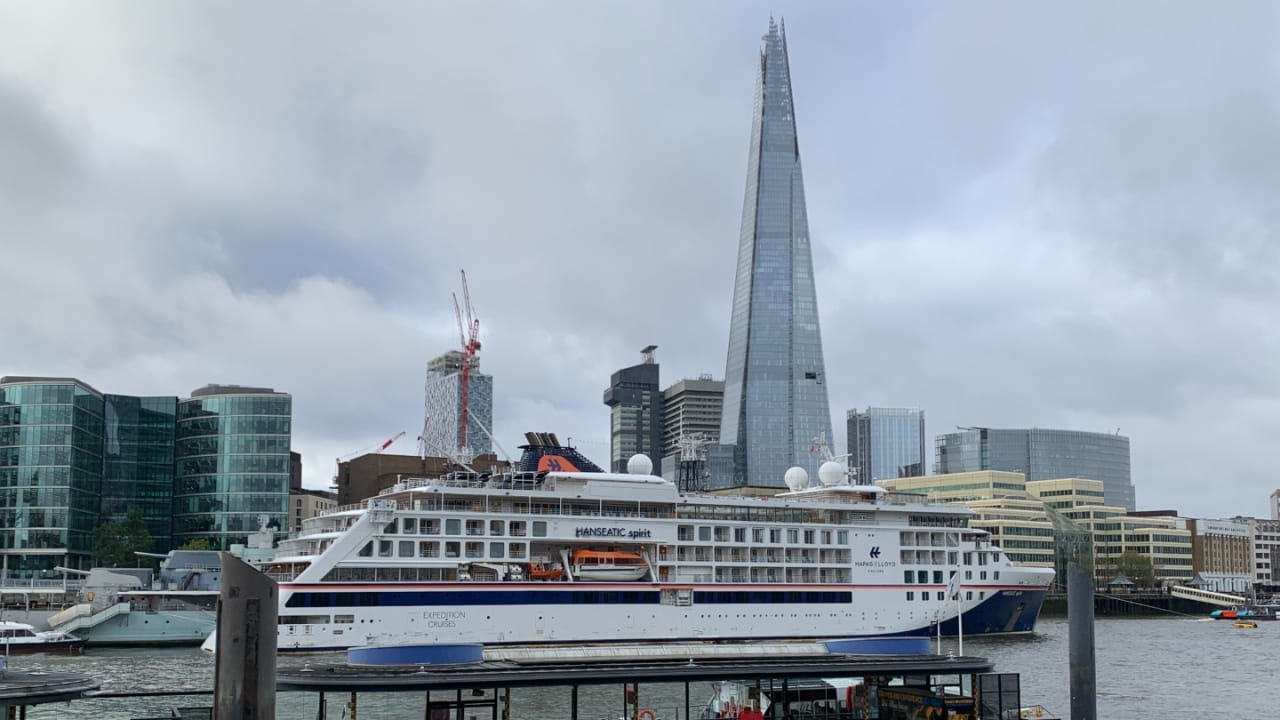
Hapag-Lloyd Cruises has made German-English service standard across all five ships since January, extending its bilingual model from Europa 2 and Hanseatic Inspiration to Europa, Hanseatic Nature and Hanseatic Spirit. “The most important news is that we are bilingual now, every ship,” said Lisa Wilken, head of luxury at Hapag-Lloyd Cruises.
The change puts the same onboard language model across the company’s two Europa luxury ships and three Hanseatic expedition vessels. Wilken said Europa is already attracting more guests from outside Germany. Hapag-Lloyd had previously operated only Europa 2 and Hanseatic Inspiration in both languages.
Onboard changes focus on guest contact
“The Inspiration and Europa 2 were always bilingual, so we of course have the knowledge here on how to do that,” Wilken said.
The operational changes reach everyday guest-facing details, including menus and decisions over which staff member is responsible for international guests and serves as their first point of contact. The scale is relatively contained: Europa carries up to 400 guests, Europa 2 up to 500, and each Hanseatic expedition ship up to 230 guests, or 199 in polar operations.
Wilken said that size makes the rollout dependent on individual service rather than large-group handling. “For us, it’s really personal service,” she said. Smaller international groups may receive tailored support, including, she said, “a one-on-one with a lecture” when guests need something specific.
Asia, Benelux and the UK are in focus
On the expedition side, Wilken said demand from Asia is strong, particularly for Antarctica. The line has already carried Chinese and Taiwanese groups, she said, and interest continues to build.
For the luxury ships, Hapag-Lloyd is prioritizing traditional feeder markets close to Germany, including Belgium, the Netherlands and Luxembourg. Wilken also said UK travel agents are currently becoming more familiar with Europa onboard.
Wilken said she is not setting a fixed international-passenger target. “For me, it’s word-of-mouth,” she said, adding that NPS feedback has been strong. “The most important thing is that they are happy and they return to our fleet.”
Europa and Europa 2 remain distinct
Wilken said Europa has become somewhat more contemporary since its 2019 refurbishment while keeping its established identity. “We do not want the two to be the same,” she said of Europa and Europa 2. Europa still has a captain’s welcome, she said, but the ship is now more casual and does not require a dinner jacket for that setting.
Europa 2 remains a draw for multigenerational travel because of its family suite, while Wilken cited Europa’s culinary program as part of its appeal to a broader guest base. Europa’s The Globe restaurant was created with Kevin Fehling, the three-Michelin-star chef behind The Table in Hamburg, and is included in the cruise fare; Wilken said Fehling is onboard Europa about 20 days each year.
Expedition winter program splits capacity
Hapag-Lloyd’s expedition deployment will keep two Hanseatic ships in Antarctica during winter while a third alternates by year between Northern Europe and the Indian Ocean. The three Hanseatic vessels are PC6 Polar Class ships.
In the Northern Europe program, Wilken said the ship operates with an icebreaker escort in the most demanding sections, and guests can leave through the shell door to spend time on the ice. “That is a true experience and a perfect fit to the expedition theme,” she said.
The Indian Ocean rotation typically uses South Africa, Mauritius or the Seychelles for embarkation or disembarkation, with most of the program centered on Madagascar.