Norwegian Cruise Line Holdings Cuts 2026 Outlook Despite Profit Gain
Norwegian’s reset underscores a tougher phase for cruise operators as post-pandemic demand gains give way to sharper scrutiny of pricing power and commercial discipline.
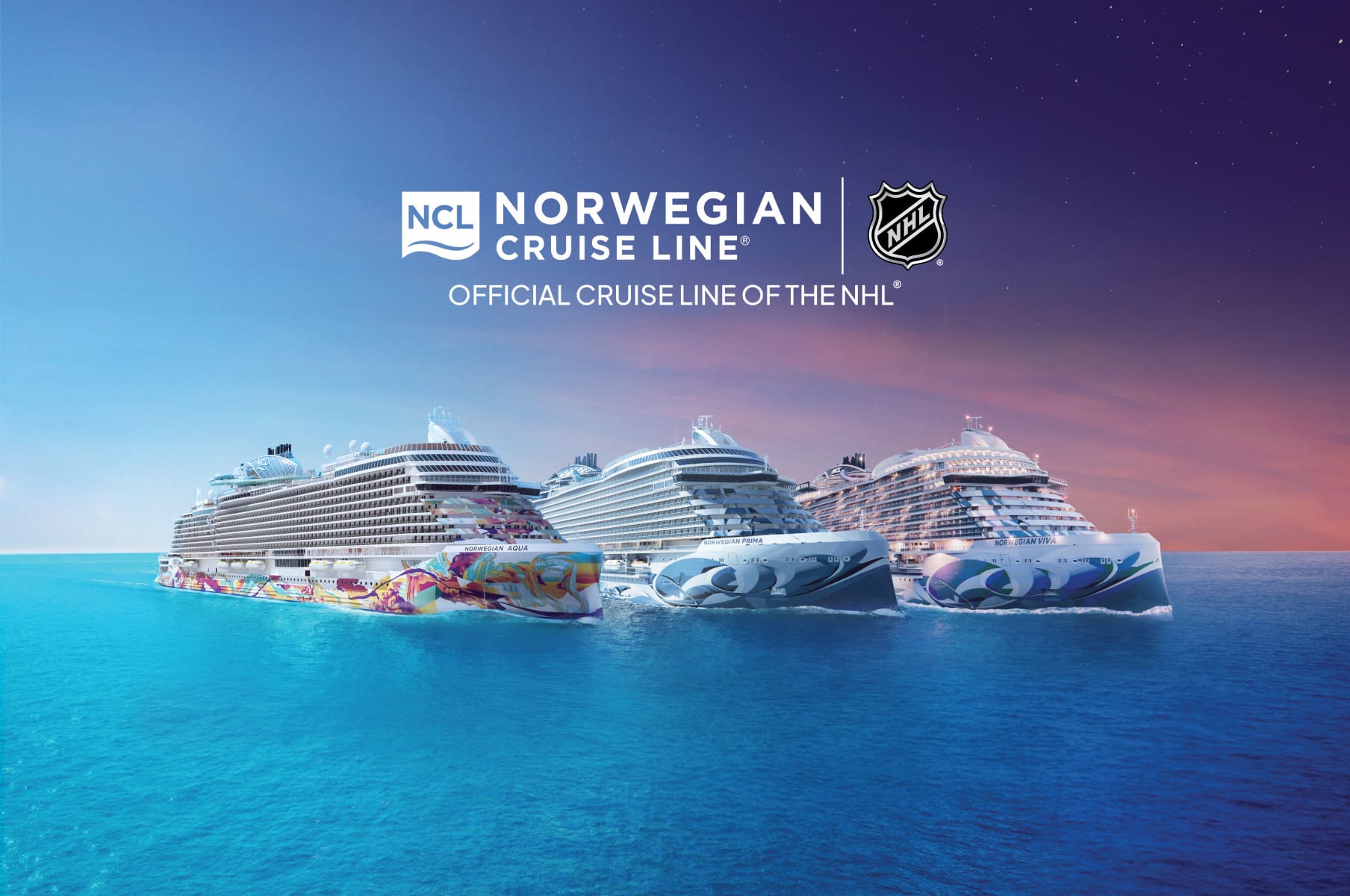
Norwegian Cruise Line Holdings on April 23 set Monday, May 4, for its first-quarter 2026 financial results, with the release scheduled for 6:30 a.m. ET and a conference call and webcast at 8:30 a.m. ET. On the call, NCLH reported higher revenue, lower full-year guidance and a turnaround plan under Chairperson and CEO John W. Chidsey.
The results exceeded several first-quarter guidance points, but the company still reduced its 2026 outlook after entering the year behind its targeted booking curve. Chidsey and Chief Financial Officer Mark A. Kempa cited Middle East-related disruption, higher fuel expense, softer European demand and internal execution issues in marketing and revenue management.
NCLH said the webcast replay would remain available on its Investor Relations website for 30 days after the call.
First-quarter profit improved, but guidance moved lower
First-quarter revenue rose 10% from a year earlier to $2.3 billion, driven by increased Capacity Days. GAAP net income was $104.7 million, or $0.23 per share, compared with a $40.3 million loss in the first quarter of 2025.
Adjusted EBITDA increased 18% to $533 million, ahead of guidance of about $515 million. Adjusted net income was $108 million, while adjusted EPS rose 121% to $0.23, also above the company’s prior expectation.
Cost metrics improved in the quarter. Gross cruise costs per Capacity Day were about $287, down from $297 a year earlier, and adjusted net cruise cost excluding fuel per Capacity Day was $169 as reported and $168 on a constant-currency basis.
For the full year, NCLH now expects constant-currency net yield to decline 3% to 5% from 2025. The company guided to adjusted EBITDA of $2.48 billion to $2.64 billion, adjusted net income of $679 million to $838 million and adjusted EPS of $1.45 to $1.79.
For the second quarter, NCLH expects constant-currency net yield to decline about 3.6% from 2025, with adjusted EBITDA of about $632 million and an adjusted operational EBITDA margin of about 32.5%. The company did not provide GAAP versions of some forward-looking metrics, citing uncertainty around foreign exchange and other future gains and charges.
Turnaround plan targets cost, marketing and revenue management
Chidsey, who was three months into the role, framed the plan around culture, cost and commercial execution. “Many of the issues we are addressing are internal and fixable,” he said. “They come back to execution, alignment and discipline.”
NCLH said it had executed initiatives expected to generate about $125 million in annualized SG&A savings, including organizational restructuring and marketing spend reductions. Chidsey said the cost actions should show results sooner than the revenue recovery because of booking lead times and the continued build-out of the commercial team.
The Norwegian Cruise Line brand is the main focus of the work. Chidsey said Oceania Cruises and Regent Seven Seas Cruises were performing well, while Norwegian Cruise Line, which represents 84% of NCLH’s capacity days, had been affected by marketing missteps, weaker commercial coordination and revenue-management staffing gaps.
“We are looking to bring in new leadership in marketing at NCL and better align that function with revenue management, deployment, and sales,” Chidsey said. He also said the work could create near-term variability in top-line performance while the company changes how it allocates marketing dollars.
Kempa said NCLH had been spending roughly twice as much per berth on marketing as competitors. “It’s about putting the dollars to work in the right places versus volume,” he said.
Fleet growth continues as deployment pressure builds
NCLH operates Norwegian Cruise Line, Oceania Cruises and Regent Seven Seas Cruises, with a combined fleet of 35 ships and more than 75,000 berths serving about 700 destinations. The company expects to add 16 ships across the three brands through 2037, representing about 43,000 additional berths.
During the quarter, NCLH took delivery of the 156,300-GT Norwegian Luna, a 2026-built Prima Plus ship with about 3,550 guests at double occupancy. The company also appointed five new independent directors effective March 31.
NCLH ended the quarter with total debt of $15.2 billion, net debt of $15.0 billion and net leverage of 5.3 times. Liquidity was $1.6 billion, including about $185 million in cash and cash equivalents and $1.4 billion of availability under its revolving loan facility.
Looking beyond the second quarter, Kempa said the third quarter is expected to be significantly weaker than the second, citing Europe’s 38% share of deployment and continued softness in Alaska. He said fourth-quarter net yields should improve from the third quarter, helped in part by the planned opening of Great Tides Water Park at Great Stirrup Cay, Norwegian Cruise Line’s 268-acre private island in the Bahamas, by the end of the third quarter.
Chidsey said broader revenue improvement will take longer to appear. He told investors signs of recovery are more likely to become visible heading into 2027.