Norwegian Raises 2026 Profit Forecast as Bookings Lag Targets
Meghan Montana will become chief financial officer on January 1, 2027, succeeding Mark A. Kempa, who will remain a special adviser through June.
Norwegian’s Profit Upgrade Is Running Ahead of Its Booking Recovery
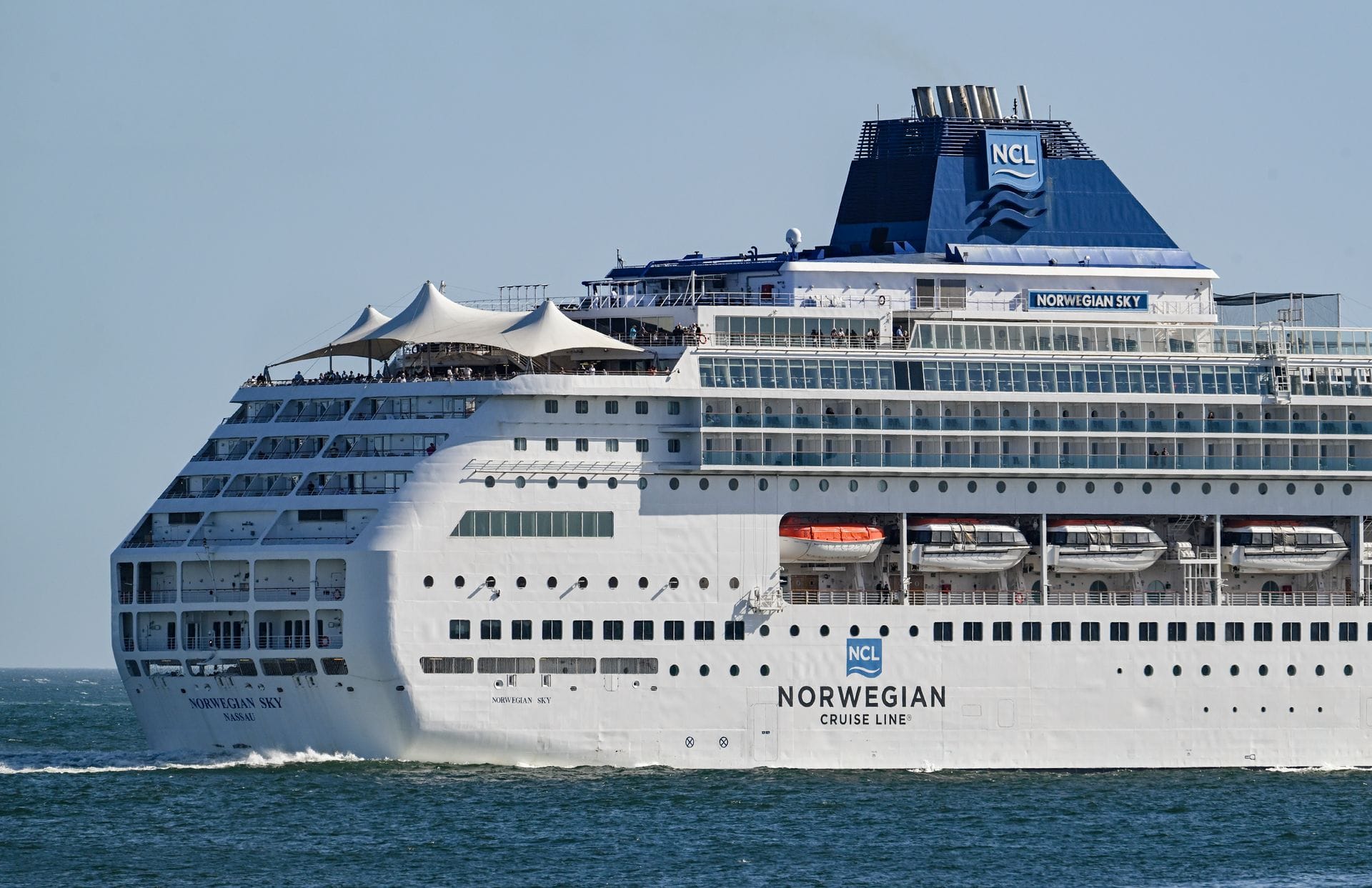
Norwegian Cruise Line Holdings has raised its profit forecast while bookings for the next 12 months remain below the company’s optimal range. That is the gap I’d focus on. Better earnings guidance deserves credit, but a stronger forward booking position would make this a much more convincing recovery story.
The stock market offered a modest vote of approval on Wednesday. Shares rose 1.6%, crossing their 200-day moving average of $18.60. They reached $19.09 before last trading at $18.81, with approximately 15.8 million shares changing hands.
Clearing a stock-chart threshold makes a tidy headline. The operating picture at the parent of Norwegian Cruise Line, Oceania Cruises and Regent Seven Seas Cruises is less tidy, and more useful.
A better forecast, but earnings below last year
The group’s third-quarter results, reported October 29, comfortably beat expectations. Revenue of $2.95 billion exceeded the $2.88 billion consensus estimate, while adjusted earnings of $1.12 per share came in above the expected $0.93.
But adjusted earnings were below the $1.20 per share recorded a year earlier. Revenue increased just 0.3%. Adjusted EBITDA fell 8.1% to approximately $937 million, from about $1.02 billion.
That distinction matters. Beating analysts’ estimates is welcome, but it does not erase the year-on-year decline in earnings.
Late bookings and higher onboard passenger spending supported the quarter. Expense reductions also helped offset elevated fuel costs. Adjusted net cruise cost excluding fuel declined 2.2% to $152 per capacity day. Adjusted net income totaled $514 million, compared with GAAP net income of $491 million, or $1.07 per share.
Management nevertheless raised its full-year 2026 adjusted net income forecast to approximately $789 million, or $1.70 per share, from $700 million, or $1.50 per share. It also increased its adjusted EBITDA outlook to approximately $2.55 billion.
That is a meaningful improvement in the forecast. I’m less persuaded that it settles the question of operating momentum.
The booking position still needs work
Bookings for the next 12 months had improved modestly since the second-quarter update, but remained below Norwegian’s optimal range. First-half 2027 bookings were behind the prior-year position, although at higher prices. Second-half bookings were in line with the previous year.
The higher pricing is an important qualification. A booking position behind last year’s at better prices is different from one behind at weaker prices. Even so, Norwegian remains short of where it wants to be.
“We are seeing the early signs of progress and expect net yield growth of 1% to 2% in 2027,” CEO John Chidsey said. Management expects that growth to accelerate meaningfully in the second half.
“Early signs” is a fair description of the evidence provided. The forecast leans heavily on improvement later in 2027. It does not yet show a recovery that is firmly established.
Norwegian plans another $100 million in annual savings through changes to guest and crew air travel arrangements and promotional activities, with implementation extending through 2028. A new marketing platform is scheduled for January.
I’d judge those commercial changes by whether the booking position improves, as well as what they save. Norwegian has already shown that lower costs can help support an earnings beat. Filling the forward order book on better terms is the harder proof still to come.
There is also a finance leadership transition ahead. Chief Strategy Officer Meghan Montana will become chief financial officer on January 1, 2027, succeeding Mark A. Kempa, who has spent more than 25 years with the group. Kempa will remain a special adviser through June 2027.
Wall Street’s targets point both ways
The analyst response has leaned more positive without becoming a consensus endorsement. MarketBeat’s tally comprises one strong buy, seven buys, 16 holds and one sell, producing an overall “Hold” rating and an average price target of $20.18.
Following the results, Freedom Broker upgraded the shares from “Hold” to “Buy” and raised its target to $22 from $20. Wells Fargo increased its target to $22 from $18, retaining an “Overweight” rating and citing stronger-than-expected passenger occupancy. Stifel analyst Steven Wieczynski maintained a “Buy” and lifted his target to $24 from $22.
Goldman Sachs raised its target to $16 from $14 but retained a “Neutral” rating, citing improved financial flexibility and reduced concerns about a potential share offering. UBS increased its target to $20 from $17, while Susquehanna lowered its target to $16 from $17.
The sharpest caution came before the earnings release. On October 23, JPMorgan downgraded Norwegian to “Underweight” from “Neutral” and cut its target to $11 from $13. Its concerns included expectations for flat annual constant-currency yield growth and geopolitical risks to a recovery in European demand.
Net leverage stood at 5.5 times trailing adjusted EBITDA. The company’s 2025 annual report recorded an expansion of its revolving credit facility from $1.2 billion to $1.7 billion, with maturity extended to 2030.
Norwegian has delivered a better profit outlook. The next upgrade that would carry the most weight is a booking position back inside the company’s own target range.