New Zealand Cruise Sector Urges Predictable Costs as Calls Fall
MPI requires arriving international ships to have clean hulls, with longer stays or calls beyond approved ports requiring inspection and cleaning evidence within 30 days.
New Zealand Needs to Give Cruise Lines Costs They Can Plan Around
New Zealand’s cruise association says new costs have been introduced after voyages enter their booking window, when operators can no longer pass them on to passengers. I’d make fixing that a priority before asking cruise lines to commit more ships. Promoting a destination is a harder sell when the bill can change after bookings are under way.
The consequences of the downturn are already reaching local businesses. New Zealand’s 2025/26 season is expected to bring 22 fewer ships, 477 fewer port calls and 136,470 fewer passengers than 2023/24. Wellington expects 35,000 fewer cruise passengers, while its Cable Car forecasts an NZ$800,000 fall in profit compared with two years ago.
The New Zealand Cruise Association forecasts an 83% increase in port calls over the next two years, but does not expect a full recovery until 2028/29. That leaves businesses with several seasons to get through, regardless of how encouraging the recovery forecast sounds.
Predictability belongs alongside biosecurity
NZCA’s 2025 report attributes the reduction to biofouling requirements, uncertainty over regulations and charges, and a perception that New Zealand is “difficult to work with, unwelcoming and unpredictable.” It places the country among the more expensive destinations for cruise lines, citing charges from Customs, the Ministry for Primary Industries, Maritime NZ and individual ports.
The late introduction of costs deserves particular attention. A destination’s charges can be assessed when an itinerary is being planned. Costs added once the operator can no longer pass them on to passengers are a different proposition. They make the original calculation less dependable.
Biosecurity requirements should not be lumped together with that pricing problem. MPI’s Craft Risk Management Standard for Vessels requires arriving international ships to have clean hulls, including less accessible areas such as rudders, sea chests and thrusters.
Ships staying no more than 28 days and visiting only approved places of first arrival can comply through documented ongoing hull maintenance. Those staying longer, or visiting other locations, must provide evidence of inspection and any necessary cleaning within 30 days before arrival.
MPI can assess compliance before arrival using inspection reports, maintenance records, photographs or video. There is a defined process here. The task is to make compliance and itinerary planning workable without weakening the clean-hull requirement.
“We need to have the right cost settings, the right operational settings,” NZCA chief executive Jacqui Lloyd said. She also said passenger demand and satisfaction ratings remained strong. In the association’s account, the destination’s appeal is not the main obstacle.
The Cable Car cannot merchandise its way out of this
Wellington’s Cable Car shows how directly a thinner cruise programme affects an established attraction. Chief executive Tansy Tompkins, who also chairs NZCA, said “almost nothing can make up” for the lost business.
An estimated 60% to 70% of cruise passengers visiting Wellington use the Cable Car, and cruise patronage has traditionally accounted for about 30% of its revenue. The attraction has pursued more weddings, increased merchandise sales and worked with the Tākina events centre to attract conference delegates.
Merchandise sales doubled last year, adding NZ$27,684. That is useful additional trade. The forecast profit decline also raises questions about funding cable car replacements needed between 2030 and 2035.
I have little patience for treating diversification as an easy answer to a loss like this. The Cable Car is finding other business. Those efforts do not remove its exposure to the cruise schedule.
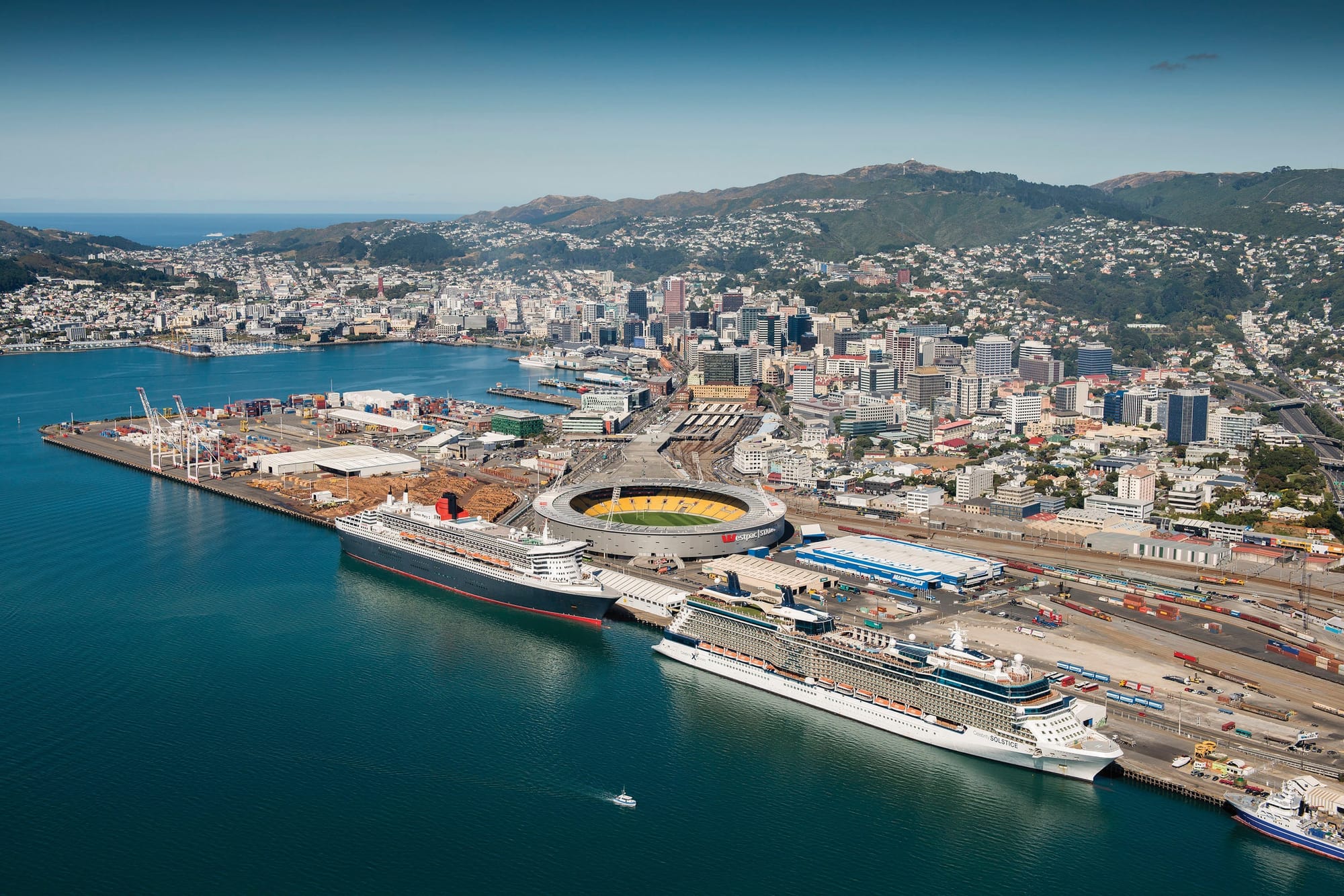
CentrePort lists 71 cruise calls for 2025/26, compared with 73 confirmed visits in the previous season, with up to 124,287 passengers and crew projected. That year-on-year call count is a different comparison from Wellington’s expected passenger decline against two years ago. In 2023/24, cruise activity generated more than NZ$100 million in estimated regional economic benefits and supported more than 750 jobs.
Ka Rawe speeds up its Auckland move
Tour operator Ka Rawe is also heavily exposed, with most of its 4,000 guests arriving by cruise ship. Owner Nathan Greenham said the quieter season would compound pressure from operating expenses, particularly fuel.
“It’s really tough to run your own business,” he said.
Greenham has increased private-tour frequency and brought forward an Auckland expansion to serve cruise arrivals there. Ka Rawe is adding routes and switching from diesel vehicles to hybrids. He also plans to conduct more tours himself, limiting the need for additional casual employees.
Promotion helps, but operators still need dependable terms
Costs have been reduced, and Tourism Minister Louise Upston attended Seatrade Cruise Global in Miami with New Zealand cruise representatives to promote the destination. Ports and local tourism organisations have also worked to secure more calls.
WellingtonNZ has appointed a cruise strategy delivery lead. Its work with CentrePort includes a new berth trial and a permanent shuttle hub on Wakefield Street to improve passenger movement into the city. These are practical improvements to how a visit works, rather than simply another invitation to visit.
NZCA puts the 2024/25 season’s contribution at NZ$1.23 billion, supporting 8,253 New Zealand jobs. Cruise lines spent NZ$260.6 million, including NZ$11.3 million on local provisions such as produce, wine, beer and seafood. Port charges and fees totalled NZ$131.6 million.
Lloyd said profitable ports also support local councils through dividends, reducing pressure on ratepayers. “While it might look like a passenger is the one that is creating all the benefit,” she said, cruise-line and crew spending contribute too.
NZCA is encouraging affected businesses to prepare for the downturn and remain operational until arrivals improve. It forecasts 40,914 additional passengers next season, followed by a further increase of 22,742 the year after.
Asking those businesses to hold on until recovery is a substantial request. New Zealand should be equally serious about giving cruise operators dependable costs before they sell the voyage. A promotional pitch cannot do the job of a bill that stays put.
Compare current Australia & New Zealand cruise fares on Cruise Lookup.