NCLH Signs Shore Power Deal With Transport Malta
Transport Malta’s agreement with NCLH is its fourth shore power deal. The announcement did not name a first vessel or a date for electricity supply to begin.
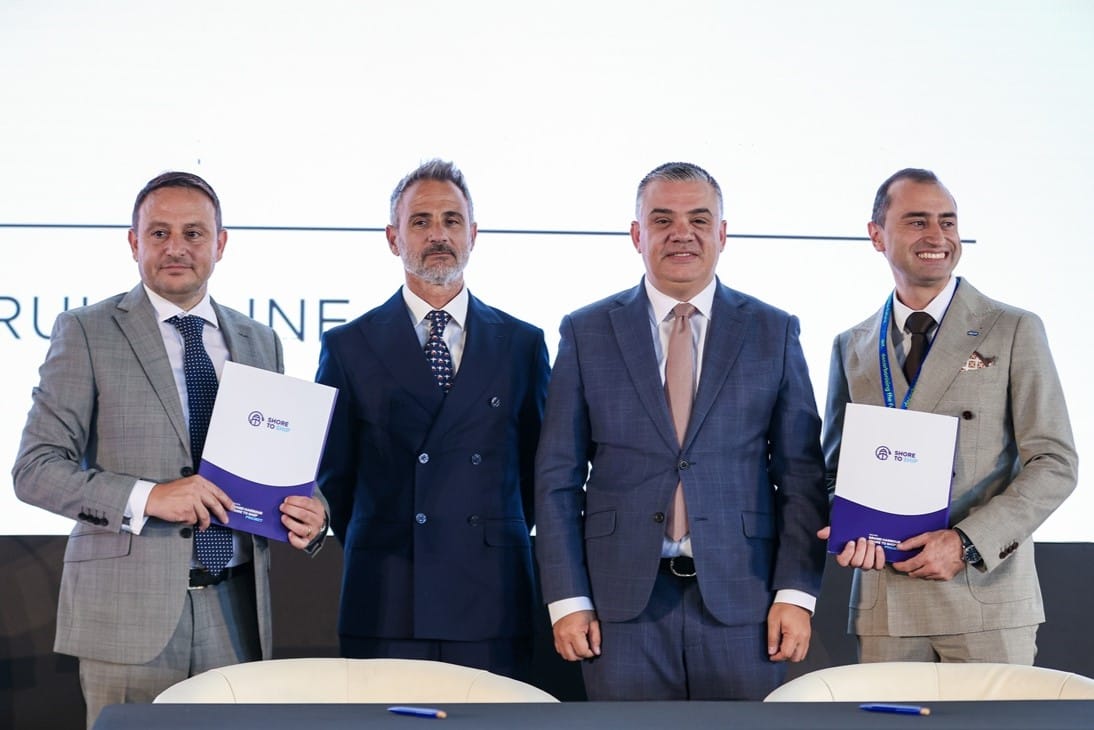
Norwegian Cruise Line Holdings has signed a shore power purchase agreement with Transport Malta, allowing its cruise ships to draw electricity from Malta’s grid while berthed. The deal is Transport Malta’s fourth shore power agreement.
The arrangement will enable ships to use shore electricity for onboard services, including lighting and air conditioning, reducing vessel emissions at berth.
Transport Malta Chief Executive Officer Leonid McKay and NCLH Director of Nautical Operations Cristian Cutugno signed the agreement during an industry event in Malta. NCLH operates Norwegian Cruise Line, Oceania Cruises and Regent Seven Seas Cruises.
“Through our partnership with Norwegian Cruise Line Holdings, we are turning our investment in Onshore Power Supply into practical action,” said Chris Bonett, Malta’s minister for sustainable mobility.
Bonett said maritime development needed infrastructure that improves operating efficiency and competitiveness while providing environmental benefits for residents and visitors. He attended the signing alongside Capt. Fritz Farrugia, chief officer of Transport Malta’s Ports and Yachting Directorate and harbour master.
Cutugno linked the agreement to NCLH’s future fleet development, saying Malta’s onshore power system had become a natural choice for the company’s operations.
EU connection requirements begin in 2030
The agreement precedes requirements under FuelEU Maritime Regulation (EU) 2023/1805. From January 1, 2030, passenger ships and container ships above 5,000 gross tonnes must generally connect to shore power, or use an equivalent zero-emission technology, while berthed in covered EU ports. The electricity supplied must meet the vessel’s electrical demand at berth.
The EU’s Alternative Fuels Infrastructure Regulation separately requires designated maritime ports to install onshore power infrastructure, with the objective of making it available for a large share of relevant calls by 2030.
Connection exemptions can apply to short stays, unavailable compatible shore connections, safety or grid-stability concerns, and certain unscheduled calls. Ships using an accepted zero-emission technology can also qualify for an exemption.
Before the first ship connects
High-voltage shore connections are governed principally by IEC/IEEE 80005-1, which covers both shipboard and shoreside equipment, including control, monitoring, interlocks and power management. Installation and acceptance also involve applicable classification-society rules and port requirements.
Before a ship connects, the ship-to-shore interface must be checked for factors including voltage, frequency, electrical demand and cable arrangements, followed by commissioning and compatibility testing.
The announcement did not identify the first vessel scheduled to connect or a start date for electricity supply under the deal.