MSC Cruises, Eni Validate Pure HVO Fuel in Ship Engine Trial
Enilive says its marine hydrogenated vegetable oil diesel is available in Genoa, Ravenna and Venice, with delivery from terminal to vessel by barge.
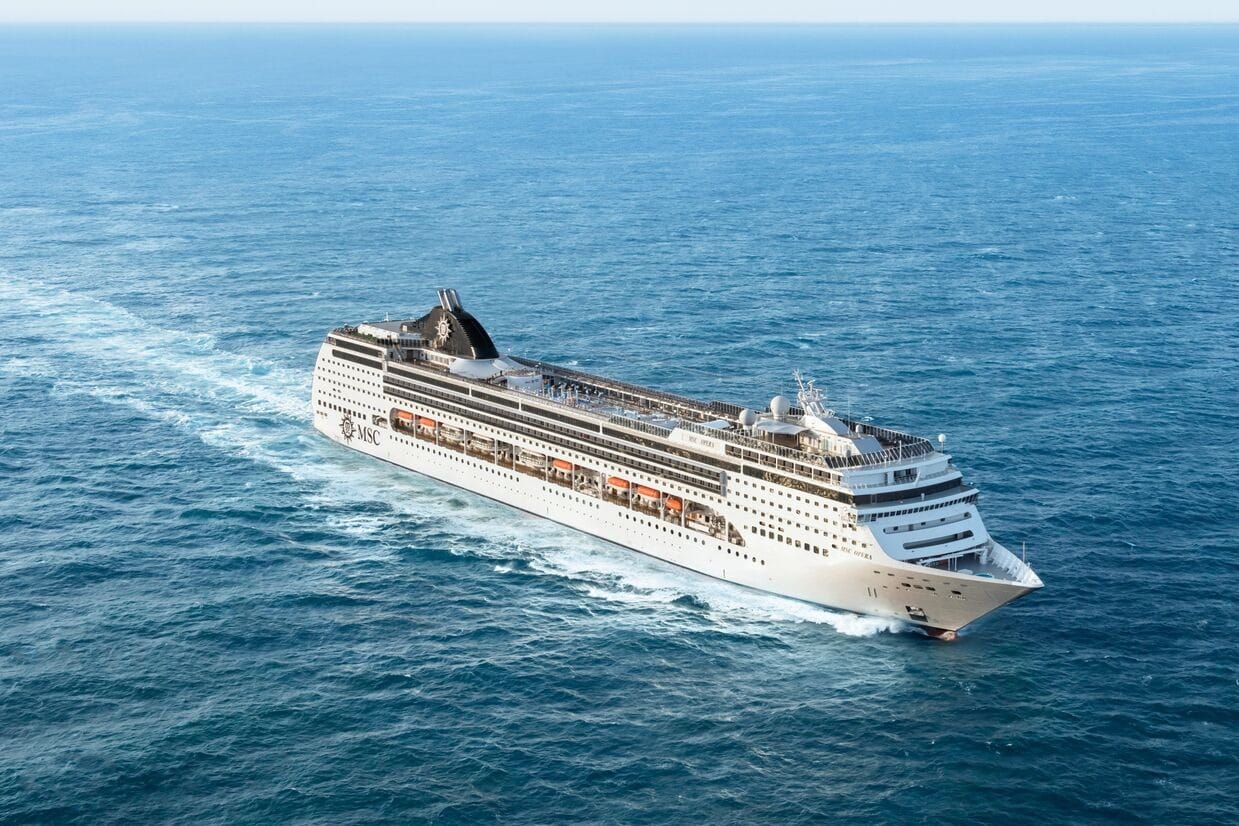
MSC Cruises and Eni have confirmed that pure Enilive HVO diesel can power a cruise ship engine without modifications after an approximately 2,000-hour test on MSC Opera. The trial used 100% hydrogenated vegetable oil fuel in one engine and recorded performance comparable with conventional marine fossil fuels, MSC Cruises said.
The test also produced 16% lower NOx emissions, lower particulate emissions and around an 80% reduction in greenhouse-gas emissions tied to the origin of the HVO product compared with traditional fuel.
Trial data were independently validated
Technical data from the engine trial were collected and assessed with support from Wartsila, the engine manufacturer. Bureau Veritas, the marine classification society, independently validated the experimental results.
“We are very pleased to have satisfactorily confirmed the technical feasibility of 100% HVO on our cruise ship,” said Michele Francioni, chief energy transition officer of MSC Cruises. He said MSC views HVO, together with LNG and bio-LNG, as fuels available now that could help accelerate the transition toward renewable fuels and the company’s 2050 net-zero GHG target.
Enilive’s HVO diesel is a renewable paraffinic diesel designed to meet EN 15940 and can be used pure or blended with fossil diesel. Eni produces the fuel through Enilive at biorefineries in Gela and Venice, mainly from waste feedstocks including used cooking oil, animal fats and agri-food residues.
Italian supply points and FuelEU context
“For several months now, Enilive’s marine HVO diesel has been available at the ports of Genoa, Ravenna and Venice,” said Stefano Ballista, CEO of Enilive, with direct delivery from terminal to vessel by barge.
Ballista said the fuel can contribute to FuelEU Maritime obligations and reduce emissions-related costs. FuelEU Maritime applies from Jan. 1, 2025, to ships over 5,000 GT on voyages involving EU/EEA ports, setting annual limits on the greenhouse-gas intensity of energy used onboard on a well-to-wake basis; the reduction requirement starts at 2% against the 2020 baseline and tightens to 80% by 2050.
The announcement stopped short of a deployment plan. MSC Cruises did not name the next vessel for pure HVO use or give a fleetwide rollout timetable.