MSC Cancels Euribia's Arabian Gulf Winter Sailings Amid Middle East Tensions
The Dubai pause underscores how fly-cruise itineraries in the Gulf can unravel overnight when air corridors close, pushing operators to rethink winter capacity in the region.
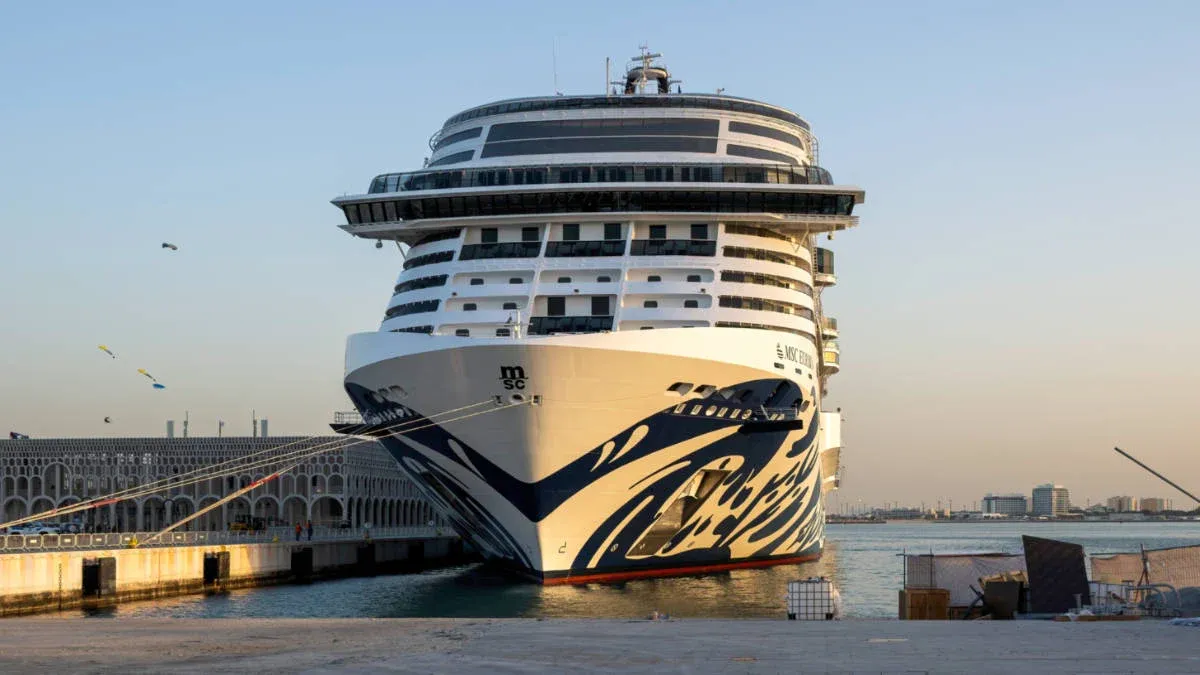
Update: April 23, 2026 — MSC Euribia has left Dubai, canceled its May 2 Kiel sailing, and reinstated May 16 and 17 departures.
MSC Cruises suspended the remainder of its winter Arabian Gulf program for MSC Euribia after military tensions around Iran triggered airspace restrictions and disrupted regional port operations, initially keeping the ship docked in Dubai and delaying its repositioning to Europe.
The decision affected late-February and March 2026 departures and left thousands of travelers managing interrupted vacations and complicated return travel while cruise lines and authorities worked through fast-changing security conditions. It has since also led to the cancellation of the ship’s May 2, 2026, cruise from Kiel, Germany, though MSC says MSC Euribia is now sailing toward Northern Europe.
MSC Euribia held in Dubai as winter sailings are canceled
MSC Euribia, a Meraviglia-Plus-class ship of about 183,500 gross tons with capacity for up to 6,327 guests, arrived in Dubai on February 27, 2026, and remained alongside at Port Rashid until mid-April after the remainder of its Arabian Gulf season was canceled. The ship had been scheduled to depart on February 28 for Doha, Qatar, but MSC tied its operational pause to the rapidly changing security environment and to restrictions created by closed or limited airspace across parts of the Middle East. On April 23, MSC said the ship had departed Dubai, moved through the Strait of Hormuz after coordinating with the relevant authorities, and was sailing toward Northern Europe.
In an official statement, MSC Cruises said: “Due to the current situation and the air space closure in the Middle East region, we are currently monitoring and reviewing all our operations in the region, and we are in constant contact with the local and national authorities and relevant partners.” The company added that its “focus is the safety and security of our guests and crew.”
Operational challenges extended beyond flight availability. MSC also cited port access issues, including Doha’s closure to vessels as the conflict intensified, complicating the normal flow of embarkation and disembarkation that depends on steady flight connections. Restrictions in and around the Strait of Hormuz later slowed repositioning efforts even after some maritime traffic resumed, with cargo and tanker traffic taking priority over cruise ships.
Which departures were affected, and what booked guests are being offered
MSC began canceling individual departures as conditions deteriorated, including sailings scheduled to depart from Dubai on February 28 and March 7, 2026. The list expanded in early March, culminating in the cancellation of the ship’s remaining winter season sailings from Dubai, including three seven-night departures on March 14, March 21, and March 28, 2026. The disruption later extended into the European deployment, and MSC also canceled the ship’s May 2, 2026, season-opening Northern Europe cruise from Kiel because the vessel could not leave the region in time to reposition.
MSC has told affected guests they will receive full refunds of cruise fares for canceled sailings. The cruise line also said certain costs arranged outside the company, such as independently booked flights or hotels, are not covered through the cruise refund and must be pursued with the original providers.
For guests booked on the canceled May 2 sailing from Kiel, MSC is offering a different set of options: transfer to another available cruise departing by November 30, 2026, without a change fee and, for the same duration and accommodation, at the lower of the original or replacement fare; move to a departure on or after December 1, 2026, with amounts already paid transferred to the new booking and the new sailing priced under the prevailing fare; or cancel for a full refund. MSC also said rebooked guests would receive onboard credit.
Onboard situation in Dubai: shore access, services, and passenger accounts
For guests who were already onboard, MSC kept the ship in Dubai while coordinating next steps with authorities and travel partners. Guests were permitted to go ashore in a limited capacity, but MSC advised passengers to remain close to the cruise terminal area, and shore excursions were canceled with refunds issued. Those passengers were later safely disembarked after the remaining Arabian Gulf sailings were canceled. The ship has not operated with passengers since the regional suspension began.
MSC also said it provided free Wi-Fi so guests could stay in contact with family and manage travel changes. In one update, the cruise line said, “The situation on board remains calm,” adding that guests had access to onboard services while onward travel was arranged.
Some passengers described witnessing regional activity from the ship. Lesley Ballantyne, a passenger from Scotland, told CNN Travel: “We’ve heard some loud bangs, seen some missiles being intercepted from the ship but it all seems in the distance.” Another passenger, Sharon Cockram, told CNN, “Never, never, ever did we think we’d get caught up in something like this.”
Repatriation effort: airlines, charters, and government coordination
With airspace closures and reduced flight schedules limiting commercial options, MSC worked to send guests home in stages, coordinating with airlines, local authorities, and diplomatic contacts as seats became available. Guests were later safely disembarked in Dubai as the ship prepared to leave the region.
MSC Cruises said: “MSC Cruises is working continuously with airline partners in the region, particularly Emirates and Etihad Airways, to identify and secure return flights for our guests.” The cruise line said it requested priority treatment for cruise guests while acknowledging airline guidance that available seats are being assigned based on travelers’ original flight dates.
MSC has also explored charter options from multiple regional airports, including Dubai, Abu Dhabi, and Muscat, and said it is coordinating with diplomatic officials, including embassies and foreign offices. By March 6, 2026, MSC said it had arranged flights home for more than 1,500 guests, with seven flights having already departed, using a mix of commercial seats, charter flights organized at MSC’s expense, and places on government-organized flights.
Pierfrancesco Vago, Executive Chairman of MSC Cruises, said: “Our Ship Command and crew have worked tirelessly to ensure our guests are well cared for and our teams across the globe have worked round the clock to get our guests home safely and in a timely manner.” Vago also highlighted cooperation from regional partners and officials, saying MSC received “unparalleled support” from Emirates and from governments assisting with operational logistics and required authorizations.
Disruptions extend beyond one ship as maritime routes tighten
The cruise disruption has unfolded amid broader aviation and maritime instability in the Arabian Gulf. The Strait of Hormuz, a key route for commercial and passenger shipping, has been affected by heightened risk conditions and operational restrictions, initially limiting vessels’ ability to reposition to alternative destinations. Story accounts also cited missile and drone interceptions over the UAE as contributing to airline schedule instability and temporary flight suspensions on some routes.
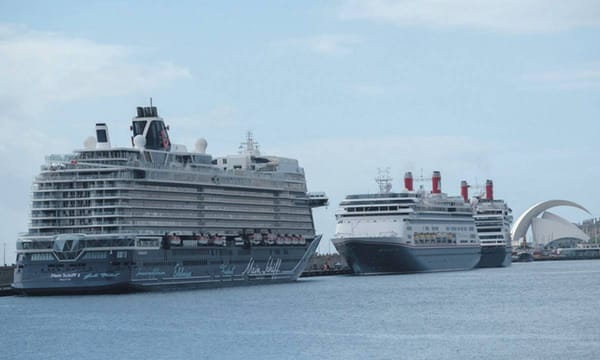
Other cruise ships were also held in ports such as Dubai, Abu Dhabi, and Doha before repositioning movements resumed. Celestyal Discovery departed Dubai on April 17 and is heading toward the Suez Canal and the Mediterranean, while Celestyal Journey is sailing off the coast of Oman en route to Cape Town. TUI Cruises said Mein Schiff 4 and Mein Schiff 5 have also departed after transiting the Strait of Hormuz and are continuing toward the Mediterranean. Aroya Cruises, operating Aroya Manara, has warned of potential itinerary changes for its Arabian Gulf operations.
Separately, Carnival Corporation-owned AIDA Cruises and Costa Cruises had preemptively withdrawn from the Middle East for the 2025/26 winter season, citing security concerns.
What’s next for MSC Euribia’s deployment
MSC has said the winter-season pause did not automatically change the ship’s published plans outside the region, though the vessel’s delayed departure from Dubai forced the cancellation of its May 2, 2026, season-opening sailing from Kiel. The ship has since departed Dubai, completed its passage through the Strait of Hormuz after coordinating with authorities, and is now sailing toward Northern Europe.
MSC now says the ship is on course to resume its Northern Europe season with the May 16 departure from Kiel and the May 17 embarkation from Copenhagen operating as originally scheduled. Guests whose later May cruises were briefly canceled during the delay have been told they can transfer back to those sailings and are being contacted directly with further details, while subsequent sailings remain planned.
- May 2, 2026 (canceled): The season-opening seven-night cruise from Kiel, Germany, with embarkation also available in Copenhagen and calls at Hellesylt, Ålesund, and Flåm, will not operate because the ship’s delayed departure from Dubai left insufficient time to reposition.
- October 10, 2026 (scheduled): The ship is set to shift to Barcelona for Mediterranean sailings running into early April 2027, with itineraries that include Marseille, Genoa, Naples, Palermo, and Tunis.
- Middle East return: MSC Euribia is not currently planned to return to Middle East itineraries through at least December 2027, and MSC has indicated regional operations are unlikely to resume before late 2027.
MSC says it continues monitoring developments as MSC Euribia sails toward Europe ahead of its next scheduled departures.
Frequently Asked Questions (FAQs)
Will MSC Cruises refund cancelled MSC Euribia Arabian Gulf cruises?
Yes. MSC has told affected guests they will receive full refunds of cruise fares for cancelled sailings.
Will MSC reimburse flights and hotels booked independently for the cancelled cruises?
MSC has said costs outside the cruise line, such as independently arranged airfare and hotels, are not included in the cruise refund and must be handled with the original providers.
Where is MSC Euribia currently located, and can guests go ashore?
MSC Euribia has departed Dubai, passed through the Strait of Hormuz, and is now sailing toward Northern Europe. The limited shore access MSC allowed while the ship was docked in Dubai no longer applies because passengers were disembarked before the ship left the region.
How is MSC arranging flights home for impacted passengers?
MSC coordinated with airline partners, particularly Emirates and Etihad Airways, explored charter options from regional airports including Dubai, Abu Dhabi, and Muscat, and worked with authorities, embassies, and foreign offices. By March 6, 2026, MSC said it had arranged flights home for more than 1,500 guests and that seven flights had already departed; passengers were later safely disembarked in Dubai.
When could MSC Euribia return to Middle East itineraries?
MSC has indicated future Middle East operations for MSC Euribia are unlikely before late 2027, and the ship is not currently planned to return to Middle East itineraries through at least December 2027.
What happened to MSC Euribia’s May 2 cruise from Kiel, and are later sailings still planned?
MSC canceled the May 2, 2026, departure from Kiel because the ship could not leave the region soon enough to reposition to Northern Europe. Guests on that sailing can rebook or request a full refund, and MSC says the May 16 departure from Kiel and May 17 embarkation from Copenhagen will operate as originally scheduled.