Mein Schiff 3 Tests Mass-Casualty Response in Bremerhaven Drill
The scenario unfolded while passengers remained aboard and normal shipboard operations continued, after guests were informed in advance of the exercise.
Mein Schiff 3 Drill Gives Psychological Care a Place in the Emergency Response
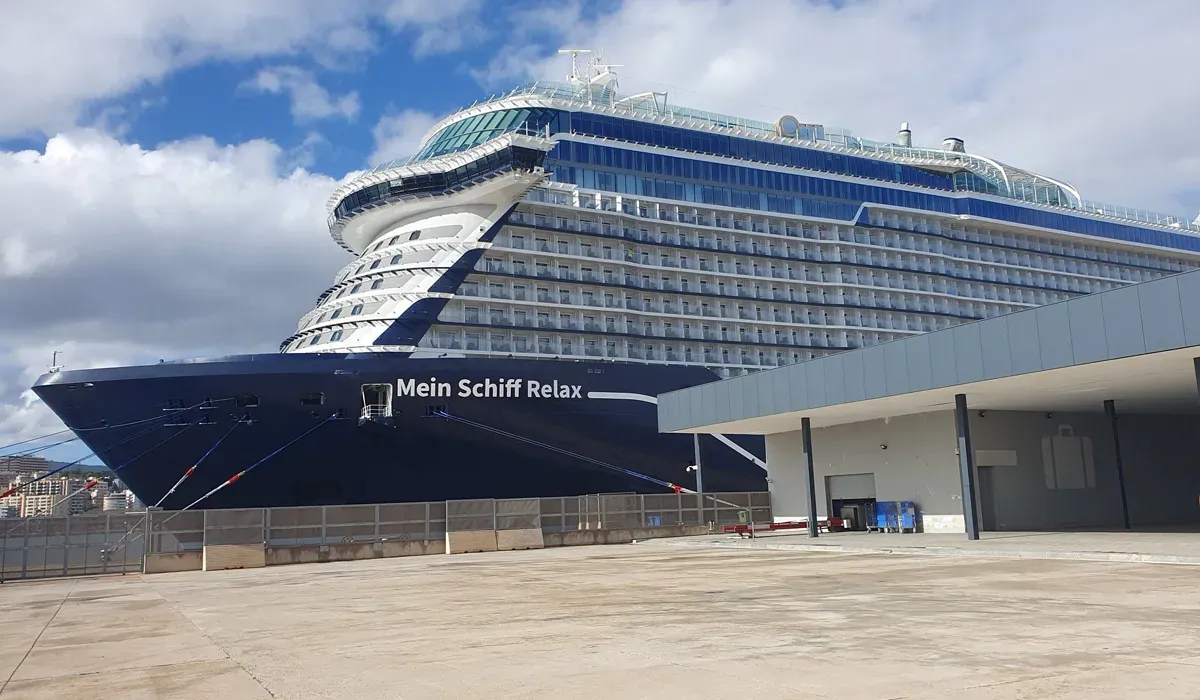
Psychological support was part of the mass-casualty drill aboard Mein Schiff 3, with specialists rehearsing assistance both on the ship and at Bremerhaven’s passenger terminal. That is where it belongs: inside the emergency response, with its own people and coordination requirements.
I want that work tested alongside medical treatment. A plan for handling numerous casualties needs to address the people affected by an incident, including passengers and crew whose needs may extend beyond physical injuries.
TUI Cruises and Germany’s Central Command for Maritime Emergencies, the Havariekommando, jointly organised the exercise aboard the ship in Bremerhaven on Sunday, October 11. Approximately 50 emergency personnel participated in what was the organisations’ third joint operation of this type.
Specialists from the German Seamen’s Mission and other maritime support organisations practised psychosocial emergency care, known in Germany as Psychosoziale Notfallversorgung, or PSNV. Planning for the scenario covered passengers, crew and others affected by a major incident.
A working passenger ship, incomplete information
The drill took place with passengers aboard and normal shipboard operations continuing. Guests had been informed in advance. That was another sensible decision. An operating cruise ship gives responders a more demanding setting for testing procedures than an exercise separated from everyday shipboard activity.
The scenario began with incomplete information about injured people aboard. The Havariekommando alerted specialised firefighting teams from Cuxhaven and Wilhelmshaven, which deployed to assess conditions and provide medical assistance to simulated casualties.
Police authorities also participated, allowing teams to practise communication across agency and regional boundaries. A central objective was handling numerous casualties within the confined spaces and complex internal layout of a cruise ship. Those details give the exercise substance.
Christian Lerche, TUI’s Director of Fleet Operations and Health, stressed the importance of testing connected procedures under realistic conditions, from the crew’s initial actions through the arrival and deployment of external emergency personnel. The exercise also allowed organisers to examine existing arrangements and identify potential improvements.
Coordination has to include the support teams
Soren Makel, deputy head of the Havariekommando, emphasised regular rehearsals with all relevant partners. Incidents involving large numbers of people require close coordination between medical services, psychosocial specialists and external agencies, he said.
For maritime incidents that meet the threshold of a complex emergency, the Havariekommando assumes overall operational command. It brings federal, coastal-state, municipal and private-sector resources under a unified structure without replacing the participating authorities’ existing legal responsibilities.
That coordination deserves rehearsal in its own right. Including psychosocial specialists means testing their place in the response before an actual incident forces everyone to work it out under pressure.
Extending the scenario to the passenger terminal was particularly sound. Getting someone ashore does not make the consequences of an emergency disappear. The support plan should reach at least as far as the people who need it.