MAIB Finds Lift Safety Failures in Fatal Arvia Technician Death
The permit to work was not revised when the inspection extended beyond its authorised scope, and the supervising officer and technician lacked a shared understanding of the task.
Arvia lift death demands more than a training fix
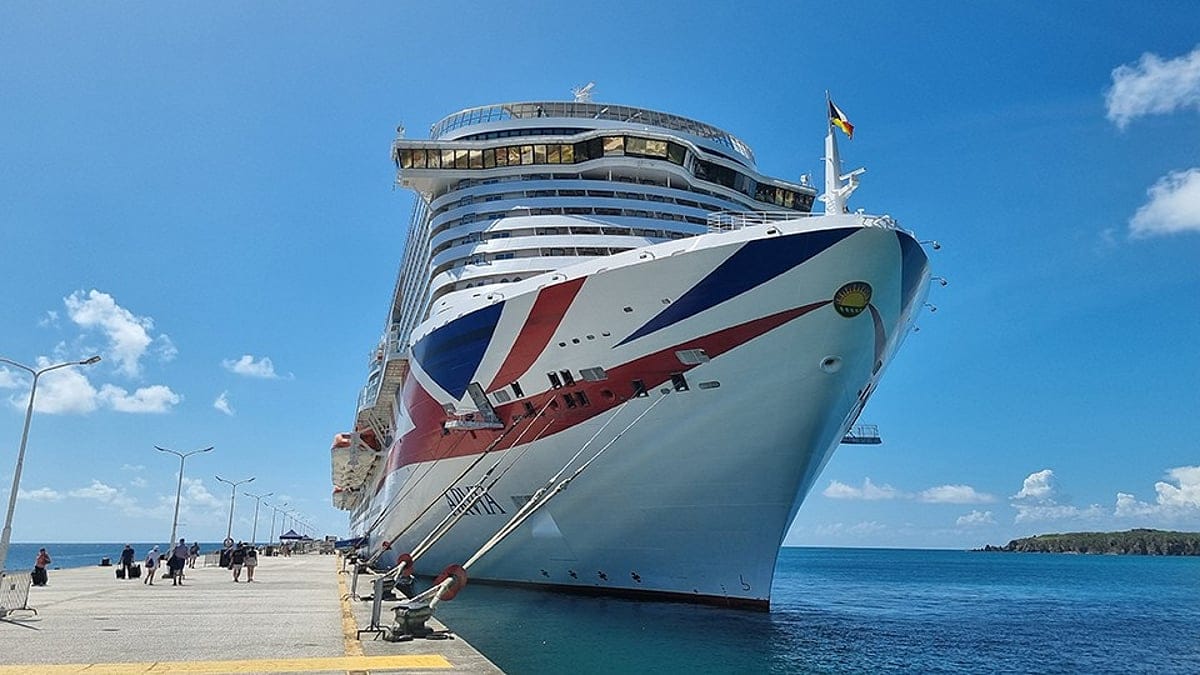
The landing doors closed, the safety circuit reset, and a stored call sent Arvia’s passenger lift 14 upward with an electrical technician still inside the shaft. The arrangement being relied on to prevent movement had ceased to protect him.
That is the failure I would put at the centre of Carnival UK’s response. Better training matters, but it cannot substitute for establishing positive control of a lift before someone enters its shaft.
The UK Marine Accident Investigation Branch’s final report found that failures in task planning, communication and lift control led to the death of the 35-year-old crew member on October 26, 2025. He was fatally crushed while inspecting the lift after overnight repairs.
The maintenance system relied on self-resetting landing-door interlocks to prevent movement while workers accessed the top of the lift car. The MAIB concluded that this arrangement “did not provide an effective safety barrier.” Once the doors closed, crew remained exposed to unintended movement.
What happened in the shaft
The lift had been returned to normal operation after the overnight repairs. During subsequent testing, the technician could not open the landing doors on deck 12 because the release mechanism was defective. He entered the shaft from deck 14 instead.
Both sets of doors then closed, restoring the safety circuit. A stored call signal caused the lift to travel upward, trapping him against the side of the shaft at approximately 05:52.
Investigators found that positive control of the lift had not been established before he entered. The technician and supervising officer also lacked a shared understanding of the task, and the permit to work was not revised when the inspection extended beyond its authorised scope.
The findings make this more than a question about the interlocks. The work changed, but the authorisation did not. Those are substantial failures in the arrangements meant to make a dangerous task safe.
Arvia was sailing from Southampton to Santa Cruz de Tenerife, about 75 nautical miles northwest of Cape Finisterre, Spain, with 5,299 passengers and 1,681 crew aboard. The ship’s doctor pronounced the technician dead at 06:07. The vessel diverted to A Coruña, where his body was taken ashore.
Arvia is registered in Bermuda, and the MAIB investigated on behalf of the Bermuda Ship Registry. Its safety investigations do not apportion blame or determine civil or criminal liability.
The response must reach beyond competence checks
The investigation identified inconsistencies in lift-maintenance training and verification of staff competence. The officer who prepared the permit to work had received no formal lift-safety training through Carnival UK. That is a serious gap for someone authorising this work.
Carnival UK, which operates P&O Cruises and Cunard, has instructed electro-technical officers across its fleet to reinforce the requirements for lift maintenance and rescue work. It has also prohibited using the fixed ladder inside a lift shaft to reach the top of the car.
An interim requirement calls for lift-maintenance personnel to have completed manufacturer or third-party safety training within the preceding six months. The company has also introduced a process to verify their competence.
These measures address identifiable weaknesses. The MAIB’s recommendation 2026/159 goes to the protection itself, asking Carnival UK to review whether self-resetting lift-door interlocks provide adequate safeguards during maintenance or inspection.
That review deserves particular scrutiny. A current training certificate establishes something about the worker. It does not establish that the lift cannot move while that worker is inside the shaft. Carnival UK needs both.