Magistrate Says Royal Caribbean Hidden-Camera Suit Can Stay in Court
The recommendation tests how far cruise lines can use ticket fine print to steer serious passenger-safety claims away from public courts.
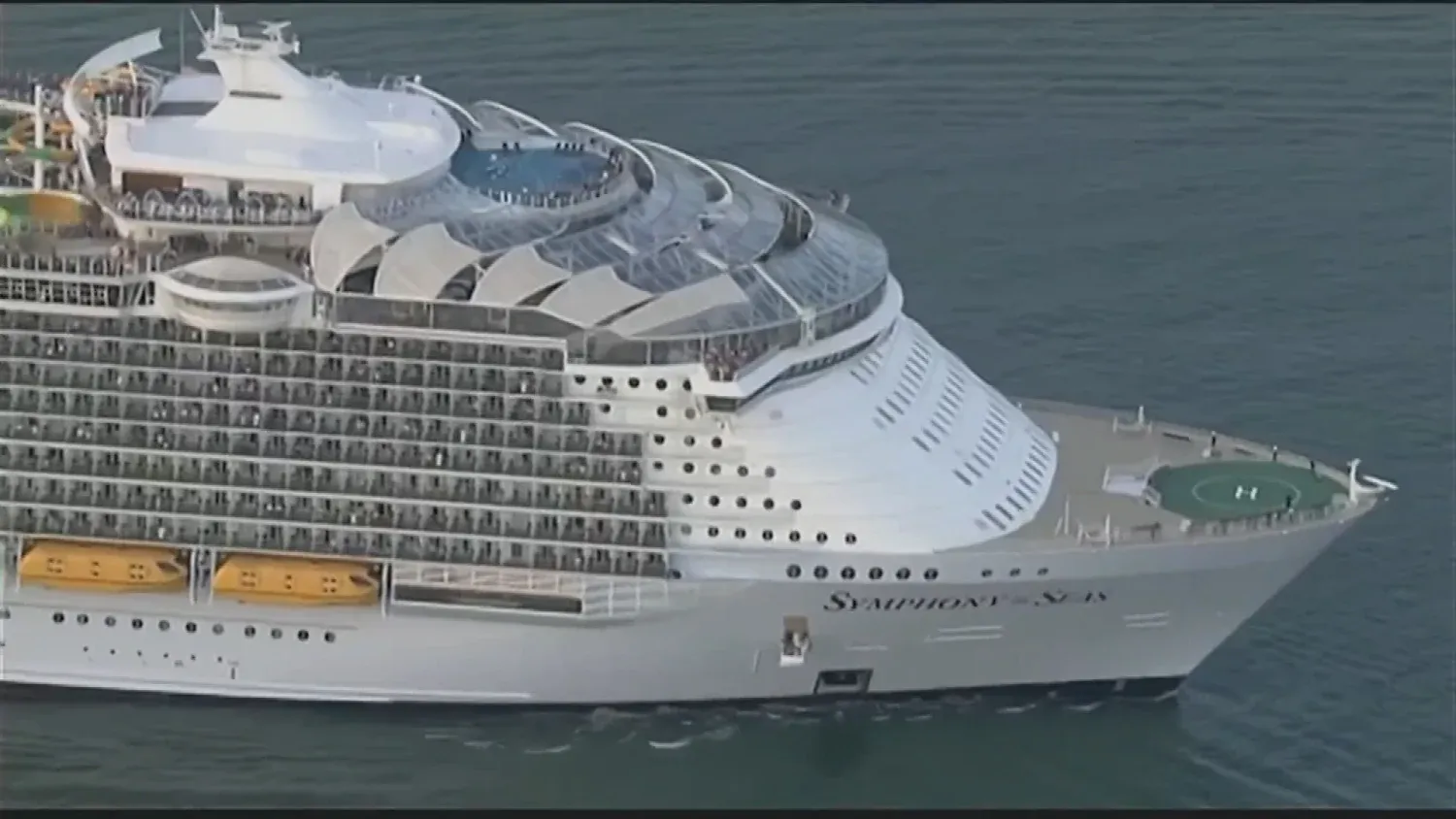
Potential victims in a proposed class action over hidden-camera recordings that former Royal Caribbean room attendant Arvin Mirasol made in passenger cabins on Symphony of the Seas received a key procedural ruling Wednesday, when U.S. Magistrate Judge Detra Shaw-Wilder recommended rejecting the cruise line’s bid to force individual arbitration. If U.S. District Judge Darrin Gayles adopts the recommendation, the case can remain in federal court rather than be split into separate passenger-by-passenger proceedings.
The complaint, filed Oct. 15, 2024, against Royal Caribbean Cruises and Mirasol, says the proposed class could include as many as 960 passengers who stayed in cabins he serviced from Dec. 1, 2023, through Feb. 26, 2024, the period Royal Caribbean employed him on the ship. Symphony of the Seas was the setting for allegations that now turn on whether cruise-ticket arbitration language can be applied to claims tied to alleged sexual assault and video voyeurism.
Court rejects ticket-contract defense
Royal Caribbean argued that passengers agreed through digitally signed ticket contracts to arbitrate claims for mental or emotional injury, and that exceptions for physical contact or sexual assault did not apply. In a March 26 court filing, attorneys for the cruise line wrote that those claims “must be resolved through arbitration,” not in federal court.
The plaintiffs, represented by Lipcon, Margulies & Winkleman and The Moskowitz Law Firm, countered that Royal Caribbean was recasting conduct they said continued across 12 cruises too narrowly as video voyeurism. They cited the Ending Forced Arbitration of Sexual Assault and Sexual Harassment Act, a 2022 amendment to the Federal Arbitration Act that allows people alleging sexual assault or harassment disputes to choose court over arbitration even when a pre-dispute arbitration clause is in place.
Shaw-Wilder agreed that the pleadings triggered the EFAA, writing that plaintiffs “have sufficiently alleged” a sexual-assault dispute under the statute. She also found that the law applied to the entire case, not only discrete counts.
The magistrate judge rejected Royal Caribbean’s argument that Mirasol’s alleged masturbation while watching recordings did not qualify as sexual contact because no plaintiff alleged touching. Her recommendation cited decisions from multiple federal appeals courts, including the Eleventh Circuit, holding that masturbation can qualify as sexual contact.
Shaw-Wilder separately sided with plaintiffs under 46 U.S.C. § 30509, the cruise-passenger statute that restricts contract provisions limiting a passenger’s right to sue for personal injury or death on voyages involving U.S. ports. Royal Caribbean argued personal injury should be limited to physical injury; Shaw-Wilder concluded the claims were not barred from court on that basis.
Claims stem from cabins serviced by Mirasol
The named plaintiff, identified as Jane Doe, was aboard Symphony of the Seas around Feb. 25, 2024, and stayed in a cabin serviced by Mirasol, according to the complaint. The lawsuit alleges invasion of privacy and intentional infliction of emotional distress tied to video voyeurism and sexual assault, and seeks to hold Royal Caribbean liable for alleged failures in training, supervision and onboard safety-management practices.
Mirasol worked as a room attendant with access to passenger cabins. A Broward County Sheriff’s Office criminal complaint said investigators found multiple videos of females undressing in cabin bathrooms on his electronic devices, including one girl believed to be about 10 years old.
In the separate criminal case brought by the U.S. Department of Justice, Mirasol, a 34-year-old Philippine national, pleaded guilty to producing child pornography. U.S. District Judge Melissa Damian sentenced him in Fort Lauderdale federal court on Aug. 28, 2024, to 30 years in prison, the maximum sentence available.
District judge still must act
Royal Caribbean did not immediately provide a comment Wednesday. The company has previously declined to address ongoing litigation or investigations involving the case.
Jason Margulies of Lipcon, Margulies & Winkleman said Wednesday that the recommendation was “a significant victory for passenger victims,” arguing that cruise-ticket fine print can sharply limit passengers’ rights.
Gayles must decide whether to adopt Shaw-Wilder’s recommendation before the arbitration issue is resolved. Royal Caribbean would still be able to appeal if the district judge approves the recommendation.