Japan Consortium Develops Methanol Retrofit Designs for Bulk Carriers
Bulk carriers will sail for years, so methanol retrofits may be the quickest decarbonization lever. Japan’s new consortium targets class-ready conversion designs.
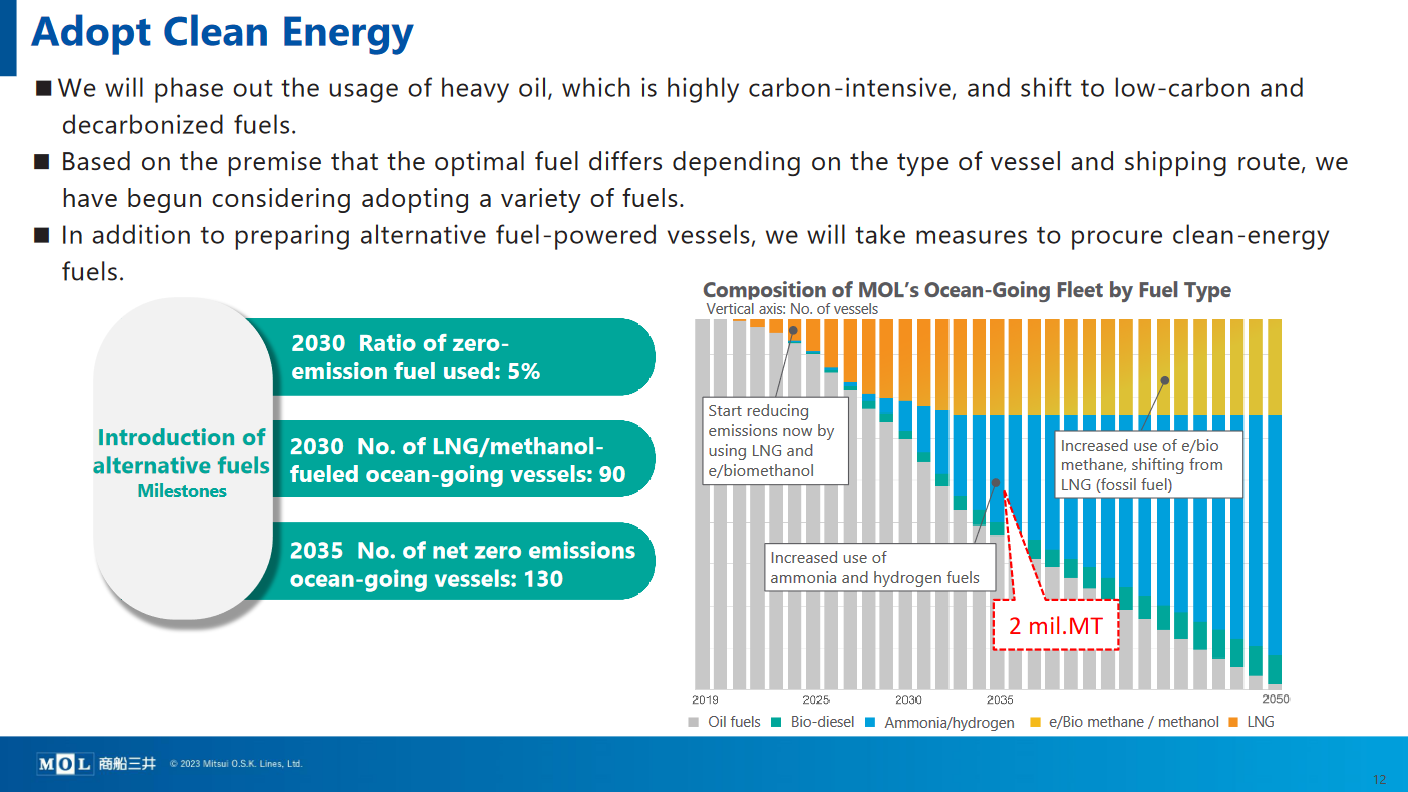
Mitsui OSK Lines (MOL), its technology subsidiary MTI Co., Ltd., Mitsui E&S Shipbuilding Co., Ltd., and classification society ClassNK have formed a joint research framework in Japan to study methanol-fuel retrofit concepts for existing bulk carriers. The collaboration is titled the Methanol Marine MOU Consortium for Zero Carbon Ship (MMMCZCS) and is positioned as part of broader shipping decarbonization efforts.
The consortium said its work will focus on design concepts and engineering methodologies that could make methanol retrofits more viable for in-service vessels, while also supporting longer-term “zero-carbon ship” development approaches. Bulk carriers were identified as a priority segment because of their role in maritime transport and associated greenhouse gas emissions.
Who is involved in the MMMCZCS framework
The project brings together operational, technical, shipbuilding, and classification expertise under one consortium. The participating organizations are:
- Mitsui OSK Lines (MOL), a shipping company involved in ship operations.
- MTI Co., Ltd., MOL’s technology subsidiary.
- Mitsui E&S Shipbuilding Co., Ltd., contributing shipbuilding and engineering capabilities.
- ClassNK, providing classification expertise tied to safety and compliance considerations.
Retrofit concept studies: engines, layouts, and onboard systems
A central technical theme is how bulk carriers already in service could be redesigned and engineered to adopt methanol fuel systems. Rather than concentrating on newbuild designs, the consortium is focused on conversion challenges, including how vessel layouts and onboard systems may need to change to accommodate methanol as a marine fuel.
As part of the engine concept work, the consortium is studying methanol engine retrofits supported by ammonia-ready technologies. In the project description, ammonia-ready capability is treated as part of the engine system concept being evaluated alongside methanol-fueled arrangements, linking the retrofit research to longer-term alternative-fuel options.
Planned workstreams: fuel handling, safety assessments, and regulatory alignment
The research scope extends beyond propulsion concepts to the supporting infrastructure required for methanol use on board. Consortium members plan to assess methanol fuel storage arrangements and the related fuel supply systems needed for bulk carrier operations.
Safety evaluations are also included in the research agenda, reflecting the need to address hazards and operational safeguards when introducing alternative fuels on existing ships. In parallel, the consortium plans to examine regulatory and compliance considerations as part of its evaluation framework, including alignment with applicable requirements across key jurisdictions.
What the consortium says it aims to deliver
The MMMCZCS initiative is intended to generate practical guidance for stakeholders evaluating methanol retrofit pathways for bulk carriers, with an emphasis on balancing energy efficiency, environmental impacts, and operational reliability. The consortium also framed its work as a way to promote alternative fuel adoption in shipping and support lower-emission maritime transport.
Why ClassNK’s participation is a key part of the concept work
With ClassNK participating, the consortium can address classification and compliance considerations alongside engineering design studies. The consortium described this as relevant to practical implementation, where retrofit viability depends not only on technical feasibility but also on whether the proposed arrangements can be supported through safety assessments and regulatory pathways over a ship’s operating life.
Details not included in the announcement
The consortium outlined its research themes and intended assessment areas but did not disclose a project timeline, identify a pilot vessel, or specify engineering deliverables. Available reports also did not include an official statement from a named executive or spokesperson.
Even without those details, the group’s formation establishes a formal collaboration in Japan to examine methanol retrofit options for bulk carriers, including the engine concept, onboard fuel systems, safety evaluation, and regulatory considerations that would be needed to move from concept studies toward implementable retrofit solutions.
Frequently Asked Questions (FAQs)
What is the Methanol Marine MOU Consortium for Zero Carbon Ship (MMMCZCS)?
MMMCZCS is a joint research framework formed by Mitsui OSK Lines (MOL), MTI Co., Ltd., Mitsui E&S Shipbuilding Co., Ltd., and ClassNK to study methanol retrofit design and engineering approaches for existing bulk carriers in Japan, alongside broader zero-carbon ship design and engineering methodologies.
Why is the consortium focusing on methanol as a fuel?
The consortium is focusing on methanol because it is viewed as an alternative marine fuel that can lower greenhouse gas emissions compared with traditional marine fuels and can be produced from renewable resources. The project also includes ammonia-ready technology concepts as part of the engine system pathways being evaluated.
What specific areas will the consortium research for methanol retrofits?
The research agenda includes ship design concepts and retrofit methodologies, methanol fuel storage and supply systems, safety evaluations, and regulatory and compliance considerations linked to converting existing bulk carriers to methanol-capable configurations.
Does the research include ammonia-related technology?
Yes. The consortium’s retrofit concept work includes methanol engine system concepts supported by ammonia-ready technologies, tying the methanol retrofit studies to longer-term alternative-fuel options described in the project scope.
Has the consortium named a specific bulk carrier or set a project timeline?
No. The announcement described the research themes and assessment areas but did not include a timeline, identify a pilot vessel, or specify particular engineering deliverables.