Italian Court Voids Approval for Fiumicino Cruise Port
The plan also includes a terminal expected to handle more than one million cruise passengers a year and a marina with more than twelve hundred berths.
Updated July 22, 2026
An Italian court has overturned the environmental approval for the €600 million Fiumicino Waterfront cruise port near Rome, stopping the Royal Caribbean Group-backed project from moving into construction until developers secure a new authorization. The July 3, 2026 ruling found that the development had been reviewed under the wrong category because its cruise terminal component should have been assessed as part of a commercial port, not as a tourist marina.
The project is being developed through Cruise Terminals International, which is owned 90% by funds advised by iCON Infrastructure and 10% by Royal Caribbean Group. The decision does not cancel the project, but it delays a proposed Rome-area homeport designed to put cruise embarkation within minutes of Leonardo da Vinci International Airport. The current cruise gateway for the capital is Civitavecchia, about an hour from the airport and roughly 60 kilometers west of Rome.
Court says cruise terminal required broader review
The ruling voids the environmental approval that Italy's Ministry of Environment and Energy Security issued in November 2025. That decree also incorporated a positive opinion from the Ministry of Culture. Without the approval, Fiumicino Waterfront cannot begin construction on the port, terminal and surrounding waterfront district.
Eighteen local residents and several environmental organizations brought the case. They argued that the development was too large to be treated as a tourist marina and should have undergone a broader environmental assessment. Judges agreed that the cruise terminal was a major enough part of the plan to require review under a commercial-port classification.
Fiumicino Waterfront CEO Galliano Di Marco told Italian media the company will appeal the decision. Without a successful appeal, the project would have to restart the environmental review process.
Airport proximity is central to the Fiumicino plan
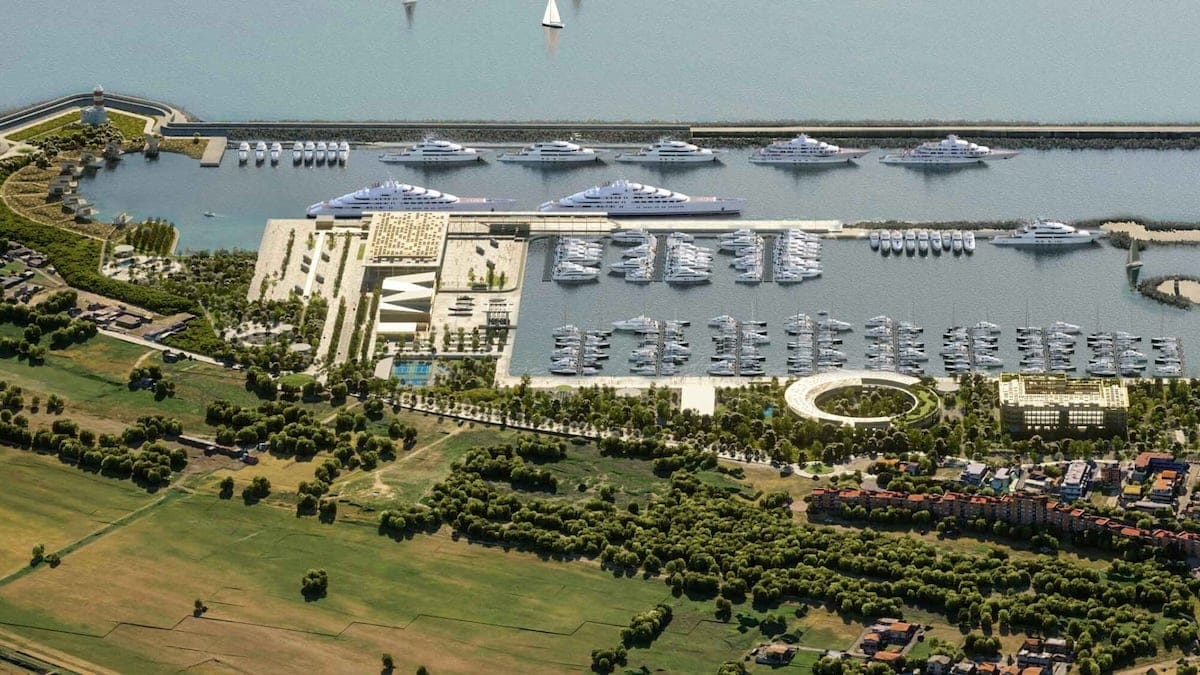
The Fiumicino Waterfront plan calls for a cruise terminal, a marina with more than 1,200 berths for recreational boats and large yachts, and commercial space that would include restaurants, a hotel, shops, public waterfront parks and supporting infrastructure. The project would also redevelop the former lighthouse area of Isola Sacra, just south of Rome's main international airport.
Project plans describe a terminal expected to handle more than 1 million cruise passengers a year, with a dedicated berth designed for ships up to the size of Royal Caribbean's Oasis-class vessels. Those ships can carry nearly 5,700 passengers at double occupancy, or as many as 6,700 passengers, plus more than 2,200 crew members.
Royal Caribbean would serve as the anchor tenant, but the terminal would be available to all cruise lines. It is planned to operate four days a week, or about 200 days annually.
Civitavecchia handled a record 3,556,559 cruise passengers in 2025, up 2.81% from 2024, and is forecast to reach 3.7 million passengers in 2026. It recorded nearly 355,500 cruise passengers and 87 ship calls during the first quarter of 2026, with cruise volume up 32% from the same period a year earlier. Recent baseline traffic has included about 1 million turnaround or origin-destination passengers a year, alongside a larger transit market for Rome shore excursions.
Environmental objections focus on the coastline
Opponents say the Fiumicino project would permanently alter one of the last undeveloped coastal stretches near Rome. Environmental groups have raised concerns about protected bird habitats, effects near the mouth of the Tiber River and the area's traditional wooden fishing huts built on stilts.
Critics say adding the cruise terminal required lengthening the proposed breakwater from 800 meters to 1,200 meters. They also contend that more than 3 million cubic meters of sand would need to be dredged.
Developers have said the project would create thousands of jobs, improve local infrastructure and help meet demand for cruise and yacht facilities in the Mediterranean. Cruise Terminals International has committed an additional €20 million for shore power at the cruise terminal and €12.5 million to the Municipality of Fiumicino for access roads and other public works outside the port area. Plans also call for restoring the old lighthouse and historical elements associated with local fishing operations.
This is the second environmental setback this year for a Royal Caribbean Group-linked infrastructure project. In May, Mexico's environmental ministry rejected the company's environmental permit for its planned Perfect Day Mexico private destination in Mahahual, though that project involves separate legal and regulatory issues.