Honeywell’s Cruise Cabin Rollout Lacks Energy Savings Data
A SINTEF research project estimated hotel facilities can account for as much as 40% of a cruise ship’s energy use, though the figure is not a measure of these ships.
Honeywell’s 8,400-cabin rollout needs an energy-savings figure
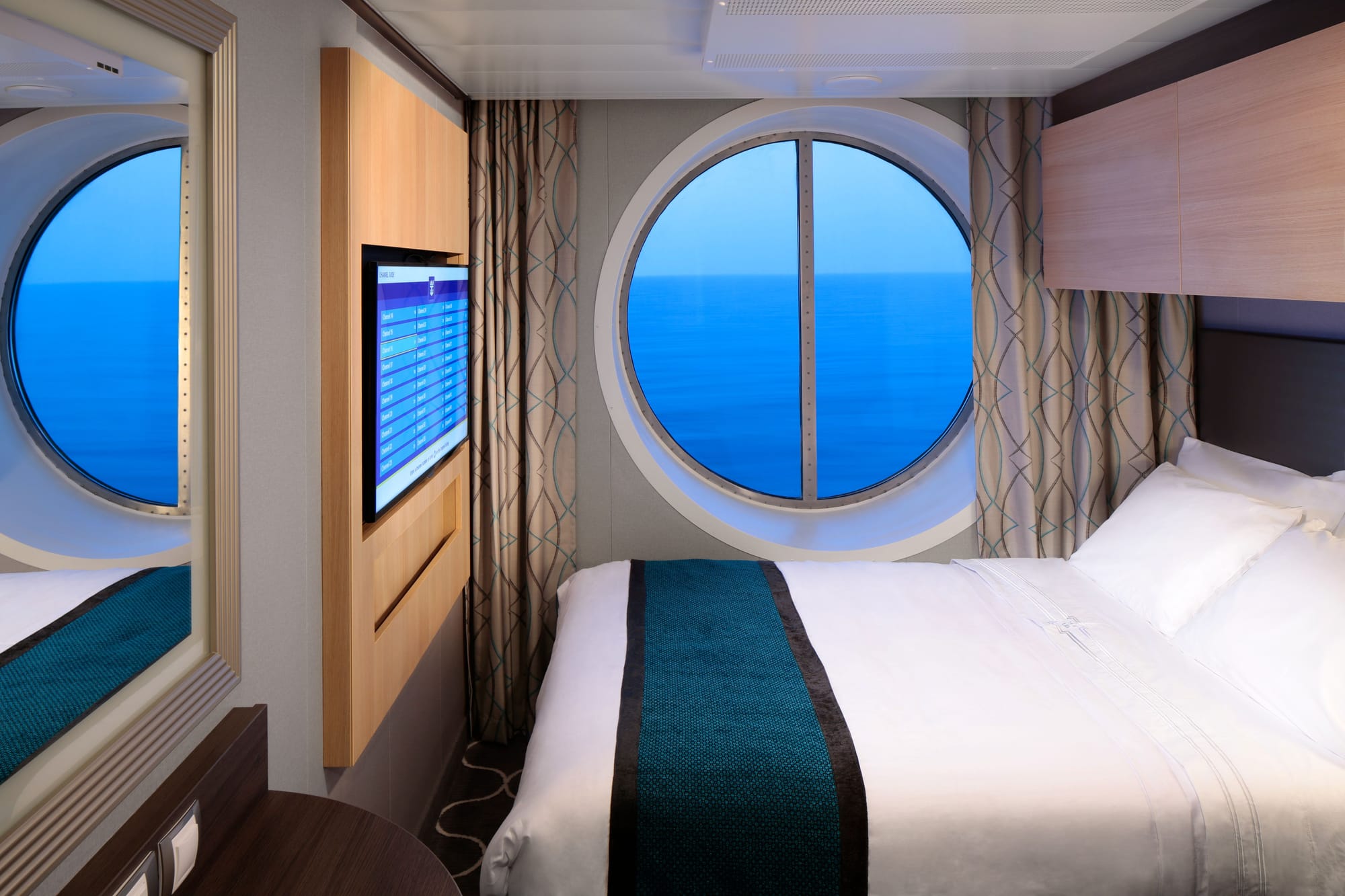
Reducing cabin cooling when a balcony door is open is the kind of automation I want cruise lines to pursue. It addresses a concrete operating problem without asking passengers to do much. Honeywell says its connected cabin system can make that adjustment. What it has not disclosed is how much energy the installation actually saves.
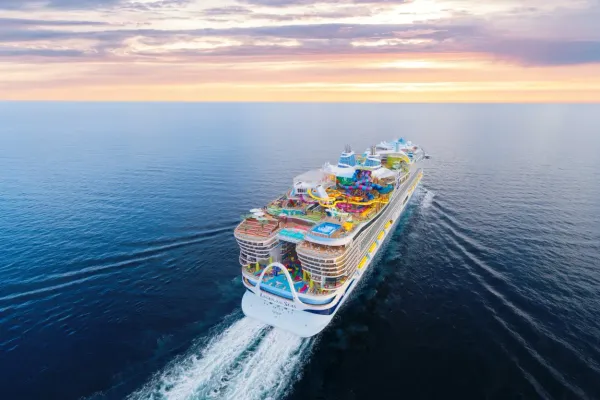
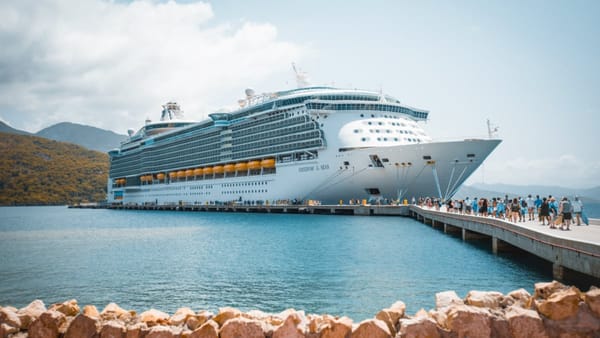
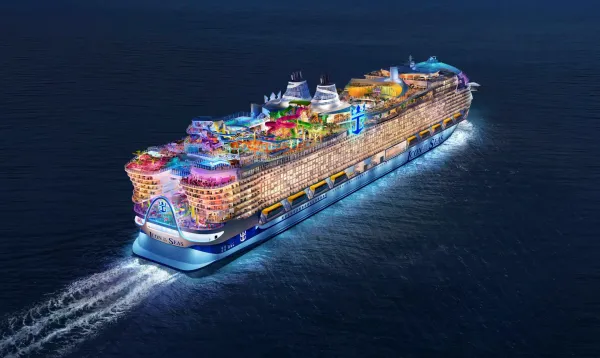
Honeywell Technologies says the system is operating in more than 8,400 staterooms across three Royal Caribbean Icon Class ships, with more than 2,800 cabins on each vessel. The company calls it its largest cruise hospitality technology installation to date. That is a substantial deployment, but a cabin count only takes an efficiency story so far.
There is good reason to care about the result. SINTEF’s CruiZE research project estimated that hotel facilities can consume as much as 40% of a cruise ship’s total energy. The 2020–2024 project examined heating, cooling, ventilation, freshwater production and refrigeration, with participants including the Norwegian University of Science and Technology, Carnival Corporation and other industry partners.
That estimate is broader than cabin air conditioning, and it is not a measurement of these ships. It does explain why controls inside thousands of staterooms deserve attention beyond the convenience of adjusting the temperature from a phone.
The useful work happens behind the app
Passengers can use Royal Caribbean’s mobile app to change cabin settings while elsewhere onboard. The system connects guest-controlled climate, lighting and window features with centralized monitoring, allowing crew to track environmental conditions and equipment performance.
I’d put the automatic adjustments ahead of the remote-control feature. Changing a setting from elsewhere on the ship is convenient. Having the equipment respond to conditions without waiting for someone to intervene is the more useful operating capability.
Programmable logic controllers serve as the control hub in each stateroom, linking cabin equipment to shipboard networks and operational platforms. HVAC controls respond to environmental readings, operating modes and guest preferences, with separate modes addressing comfort, humidity and energy consumption.
The system can reduce cooling when a balcony door or window is open and continuously adjusts HVAC output to match demand. Connections with other onboard systems also allow cabin settings to change automatically when passengers leave the ship.
Guests can select lighting scenes that adjust illumination and other cabin features together. The platform also supports automated operation and monitoring of blinds, curtains and motorized windows. Centralized access can assist with specific operating and safety procedures.
These are sensible capabilities. The announcement provides no measured energy results from the Icon Class installation, though, so their effect on shipboard consumption remains unquantified.
The three-ship total needs explaining, too
Honeywell did not identify the vessels included in its total. Royal Caribbean’s published Icon Class information lists two ships in service: Icon of the Seas, which entered service in 2024, and Star of the Seas, which debuted in 2025.
The announcement included no statement from a Royal Caribbean executive and did not reconcile its three-ship operating claim with that published fleet information. Readers should not have to guess which vessels are being counted.
Managing cooling around open doors, changing demand and guest absences is a practical job for cabin automation. But Honeywell’s next useful number is how much energy those controls save across the installation it is promoting.