Homer Cruise Traffic Doubles as Passenger Tax Revenue Climbs
A pending borough ordinance would send Homer nine thousand four hundred thirty-five dollars for harbor facilities and passenger services, with a hearing set for September fifteenth.
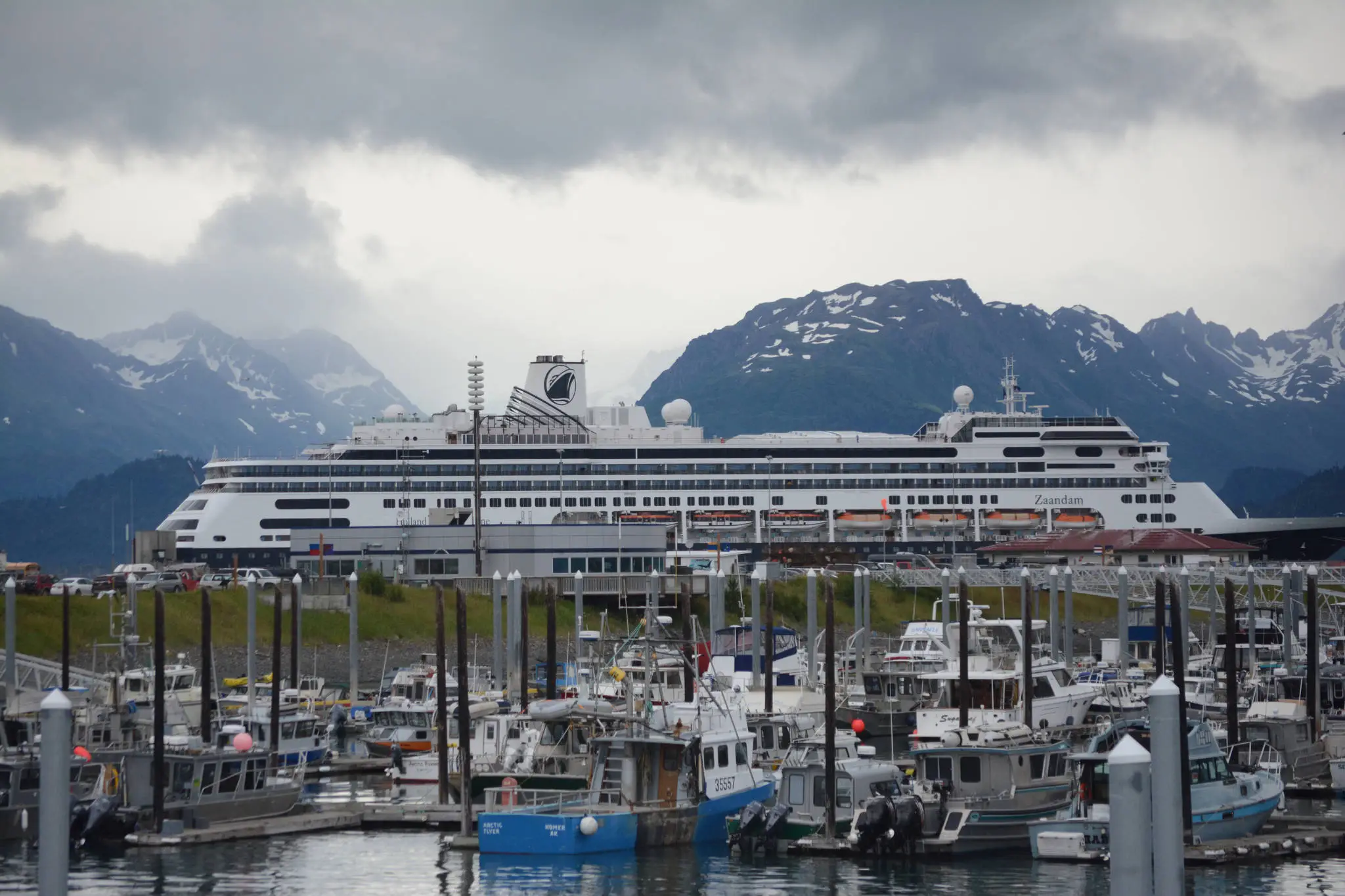
Cruise traffic in Homer generated $18,870 in state passenger-tax distributions tied to the 2025 season, more than double the $9,225 the year before. The amount is divided equally between the city and the Kenai Peninsula Borough, whose $9,435 share would return to Homer under a pending appropriation.
Overall cruise visitation rose from 3,027 passengers and nine ship calls in 2024 to 6,407 passengers and 12 calls in 2025. Traffic remains below pre-pandemic levels: Homer recorded 14,812 cruise passengers in 2019 and averaged about 12,500 annually from 2015 through 2019.
Of the passengers visiting last year, 3,774 were subject to Alaska’s Commercial Passenger Vessel excise tax, compared with 1,845 in 2024. The tax is currently $34.50 per passenger per voyage for vessels with at least 250 berths, overnight accommodations and itineraries lasting more than 72 hours in Alaska marine waters.
For each taxable passenger, the state distributes $5 to a qualifying port of call. Because Homer is within a borough, the city and the Kenai Peninsula Borough each receive $2.50. Many smaller adventure cruise vessels fall below the 250-passenger threshold, so Homer’s taxable passenger count trails its total visitor number.
Borough funding would return to Homer
The borough received $362,200 as its share of passenger taxes generated by 2025 cruise traffic in Homer and Seward. Ordinance 2026-19-08 would allocate $352,765 to Seward and $9,435 to Homer.
Since 2007, the borough has made its portions of the Homer- and Seward-generated taxes available to the cities through grant agreements. If approved, Homer’s latest grant could be spent on harbor facilities, infrastructure and services supporting cruise ships and their passengers.
The previous round provided Homer with $4,612.50 directly from the state and the same amount through the borough. The City Council accepted both payments in June 2025, using the proceeds to help pay down the Ramp 2 restroom project and replace harbor walking-path benches with ADA-compliant models.
Passenger facilities remain a priority
Homer has identified maintenance and improvements at cruise passenger staging areas and restrooms as priorities for future tax revenue. Other listed needs include additional benches and signs, improved wayfinding and accessibility, covered bus waiting areas, and infrastructure for lightering passengers from ships unable to dock in the harbor.
The Deep Water Dock can berth ships up to 800 feet long and 65,000 displacement tons. However, the harbor has turned away vessels carrying about 2,500 passengers because it lacks the operational capacity to accommodate them safely.
The borough ordinance was introduced Sept. 1. A public hearing is scheduled for Sept. 15.
Compare current Alaska cruise fares on Cruise Lookup.