Five Cruise Passengers Cleared for Home Hantavirus Monitoring
Federal officials arranged noncommercial travel with biocontainment measures, and state health departments will conduct daily symptom checks.
Updated July 3, 2026
The World Health Organization has declared the MV Hondius-linked Andes hantavirus outbreak over after the final identified contact completed quarantine, tested negative and returned home.
"Today, the final contact of a person exposed to hantavirus on the cruise ship MV Hondius completed their quarantine period, tested negative and returned home," WHO Director-General Tedros Adhanom Ghebreyesus said at a press conference. "No further cases have been reported since May 25. We are therefore very pleased to say that WHO considers the outbreak of hantavirus over."
The outbreak stemming from Oceanwide Expeditions' MV Hondius resulted in 12 confirmed and one probable case, including three deaths. WHO said more than 650 contacts were identified and followed by health authorities in 33 countries and territories.
U.S. quarantine response has ended
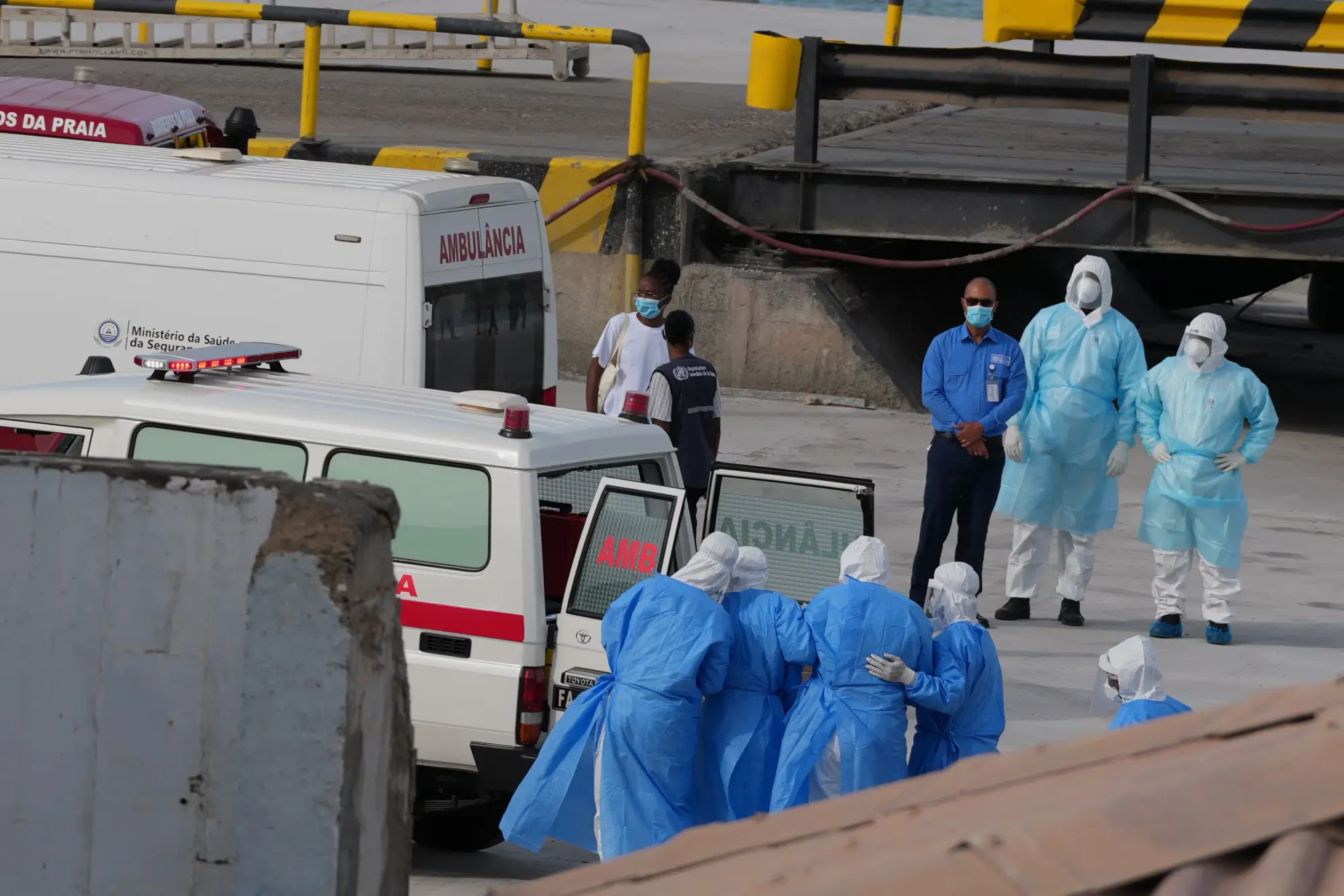
The CDC has also concluded its U.S. response. All 18 American passengers quarantined at the Nebraska Medicine Regional Emerging Special Pathogen Treatment Center at the University of Nebraska Medical Center in Omaha completed 42-day monitoring and returned home. None tested positive for the virus or developed symptoms, CDC officials said.
The Americans had been evacuated from the ship in Spain's Canary Islands and transferred to the National Quarantine Unit in Omaha. Some were later permitted to leave the Nebraska facility to complete monitoring at home under state oversight. The last eight passengers left after completing the monitoring period.
U.S. Department of Health and Human Services spokesperson Emily Hilliard confirmed the end of the quarantine. "Through close collaboration among federal, state, and local partners, HHS helped protect the American people, contain potential risks, and bring this response effort to a successful conclusion," Hilliard said.
The home-monitoring arrangements that applied to earlier releases have also ended. During that phase, federal officials arranged noncommercial transportation in coordination with state and local authorities, and state health departments conducted daily symptom checks through the remainder of each passenger's monitoring period.
MV Hondius returned to service readiness
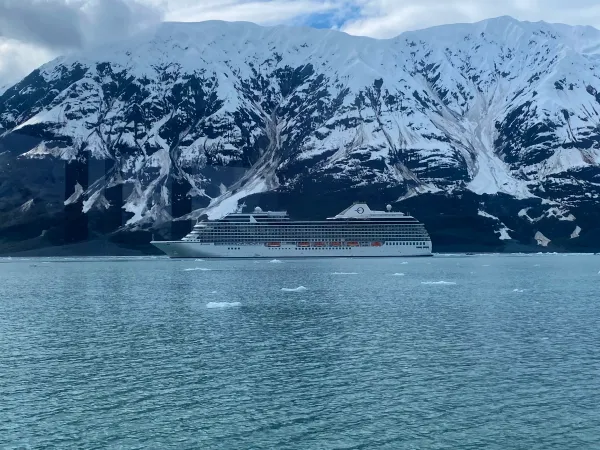
The Hondius departed Ushuaia, Argentina, on April 1 for a South Atlantic itinerary that included remote islands before the ship headed north to Tenerife in Spain's Canary Islands, where remaining passengers were evacuated. The polar exploration ship later docked in Rotterdam on May 18 with 25 crew members and two medical professionals aboard.
On May 30, the ship was cleared to put to sea again after cleaning and disinfection. Earlier in the response, Oceanwide said 87 guests and 35 crew members from 22 countries had left the vessel for repatriation while the ship continued toward the Netherlands.
Why contacts were monitored for 42 days
Health officials monitored contacts because symptoms have appeared as late as 42 days after exposure in previous outbreaks. Some medical experts say most people who become ill develop symptoms within 21 days.
Hantaviruses typically spread when people inhale contaminated material from rodent droppings or urine. The Andes virus involved in the Hondius outbreak is different, and may spread between people in rare cases, generally after close contact with someone who is symptomatic.
WHO said work on the outbreak will continue even though the public health emergency tied to the ship has ended. Tedros said the agency is coordinating a study involving 21 countries "to understand how the disease develops, which will support the development of diagnostics, therapeutics and vaccines for future outbreaks."