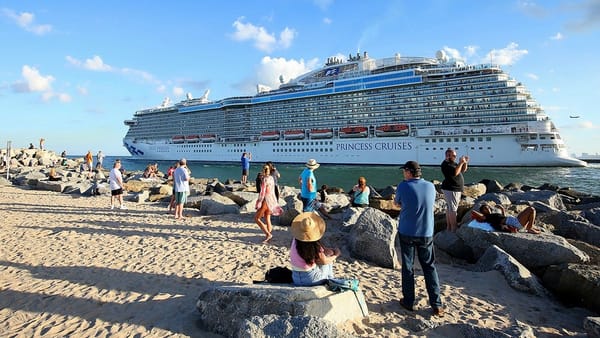
Emerald Princess Fails CDC Inspection Over Food Safety Lapses
After a blackout, an alarm sounded when a chlorine analyser stopped recording drinking-water measurements, but crew responsible for responding had not been informed.
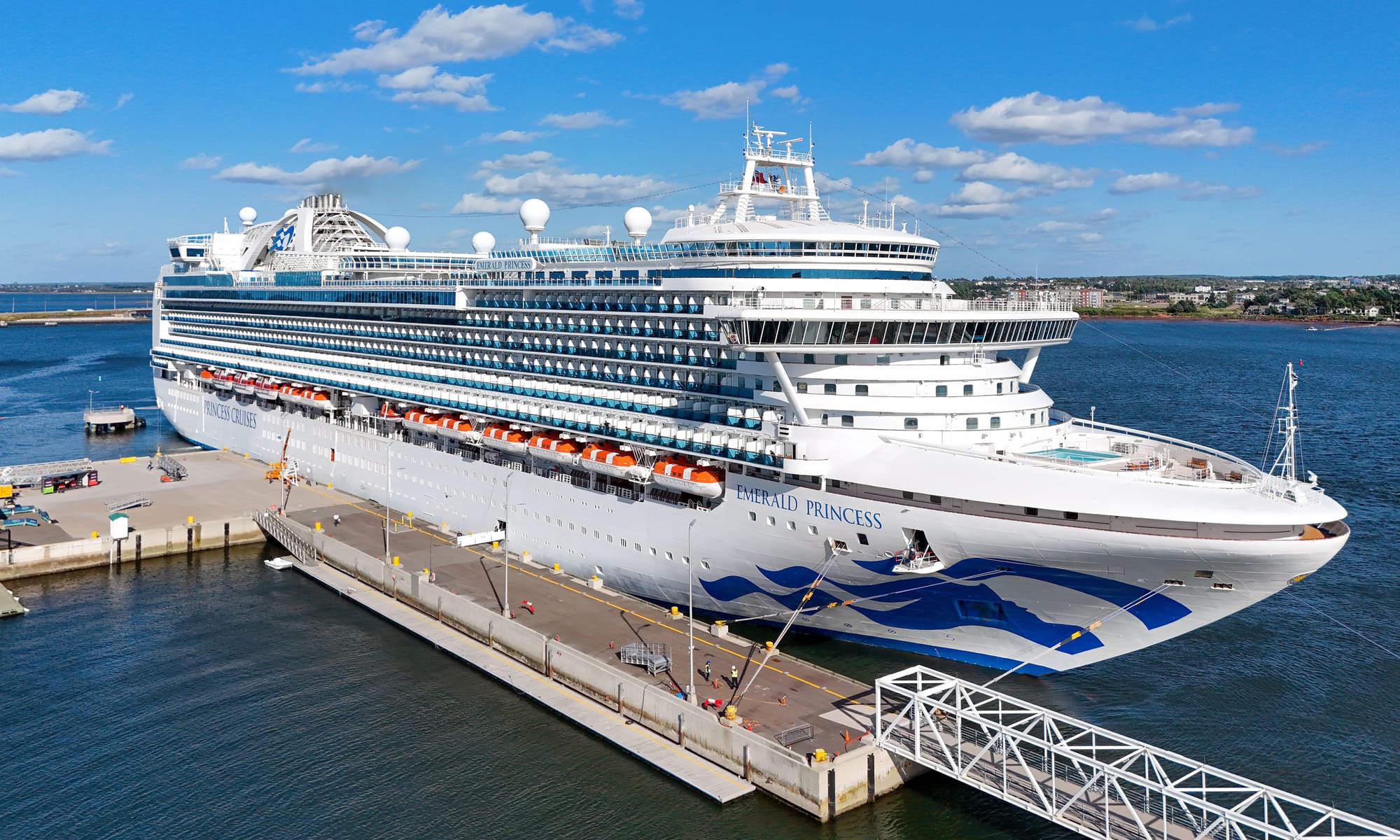
Emerald Princess’ Failed CDC Inspection Puts Food-Safety Supervision Under Scrutiny
Almost all the cold food on Emerald Princess’ portside buffet lacked the required markers showing when it had to be discarded. Meats, cheeses, sandwiches, vegetables, salads and dressings were thrown away during a CDC inspection. That is a basic food-safety control to lose track of across so much of a buffet.
The Princess Cruises ship received a failing draft score of 78 out of 100 following the October 16, 2026, inspection in Long Beach, California. The U.S. Centers for Disease Control and Prevention’s Vessel Sanitation Program requires at least 86 to pass. Inspectors deducted 22 points across eight categories, identifying weaknesses in management oversight and crew knowledge among the contributing factors.
I’d put supervision at the centre of Princess’ response. Cleaning equipment and discarding food were necessary, but the findings also raise a harder operational question: who was checking that the ship’s food-safety procedures were being followed?
From the buffet line to the ice machines
Temperature controls accounted for the largest deduction, at five points. Alongside the missing buffet markers, inspectors found trays of sandwiches covered while cooling, potentially slowing the process. Ham-and-cheese sandwiches cooled by only 3°F over three hours. Tomato-and-mozzarella sandwiches dropped just 5°F over two and a half hours.
At the International Cafe, mortadella-and-cheese sandwiches were above 41°F, approximately 5°C. Crew members disagreed about when they had been prepared. Some said that day, while others described them as leftovers from the previous day.
A cooling-log entry appeared in different ink, and the chef confirmed he had not reviewed it. The different ink alone does not establish what happened. The conflicting accounts and lack of review are enough to expose the weakness: the people responsible could not give inspectors a consistent account of how that food had been handled.
Three mouldy or rotten oranges were on the lunch serving line in the crew dining area. Inspectors also found mould on peppers, a cucumber and several avocados that had already been washed.
Emerald Princess accommodates 3,090 passengers at lower-berth occupancy and carries about 1,200 crew. Food-safety controls need to hold in the crew dining room as well as the passenger venues.
Storage arrangements created further cross-contamination risks. Raw pork chops were above thawed hot dogs, partially cooked roast beef was above cut boiled eggs, and sushi containing raw tuna was above ready-to-eat food. Crew relocated the pork chops while inspectors were aboard.
Washed plates, bowls, pans and utensils still had visible dirt. Dishwashing spray nozzles were blocked or contaminated, ice-machine water trays contained black, brown and pink debris, and flies were present in food areas.
Inadequate food-safety management, improper storage and cross-contamination, dirty food-contact surfaces and utensils, and pest-control failures each drew three-point deductions. Other findings concerned washing facilities, dishwashing equipment, and the condition and cleanliness of floors, walls and ceilings.
An alarm sounded, but the responsible crew had not been informed
A separate monitoring failure followed a blackout on the morning of the inspection. A chlorine analyser stopped recording drinking-water measurements. An alarm sounded in the engine control room, but the crew members responsible for responding had not been informed.
Manual testing confirmed chlorine was present in the water supply. This was a failure of monitoring and communication, not a finding that the drinking water lacked disinfectant. Staff knowledge and the response to the monitoring failure accounted for a further two-point deduction.
That distinction matters. The actual finding is serious enough: an alarm cannot do its job if the people expected to act on it do not know about it.
What a failing score sets in motion
Some corrective work happened before inspectors left, including equipment cleaning and providing a thermometer to a crew member preparing burgers. A failed inspection does not automatically require a ship to stop sailing.
The VSP generally covers ships carrying at least 13 passengers on international itineraries that include a U.S. port. Those vessels normally receive two unannounced operational inspections each year, with reinspection when necessary. The CDC’s 2025 VSP Environmental Public Health Standards require violations to be corrected, with designated critical deficiencies addressed immediately.
Princess Cruises did not provide a statement with the findings. The CDC instructed Emerald Princess to submit a corrective-action statement explaining how critical deficiencies would be resolved and what safeguards would prevent recurrence. Neither a completed statement nor a subsequent inspection result accompanied the findings.
Princess still needs to show that the people responsible for these controls are checking them before an inspector arrives.