Barcelona Labor Blockade Forces Cruise Passengers to Walk to Terminals
Port workers were disputing bonus arrangements and financial disparities; no injuries, missed sailings or significant ship-departure delays were reported.
Barcelona’s cruise blockade exposed a basic problem with terminal access
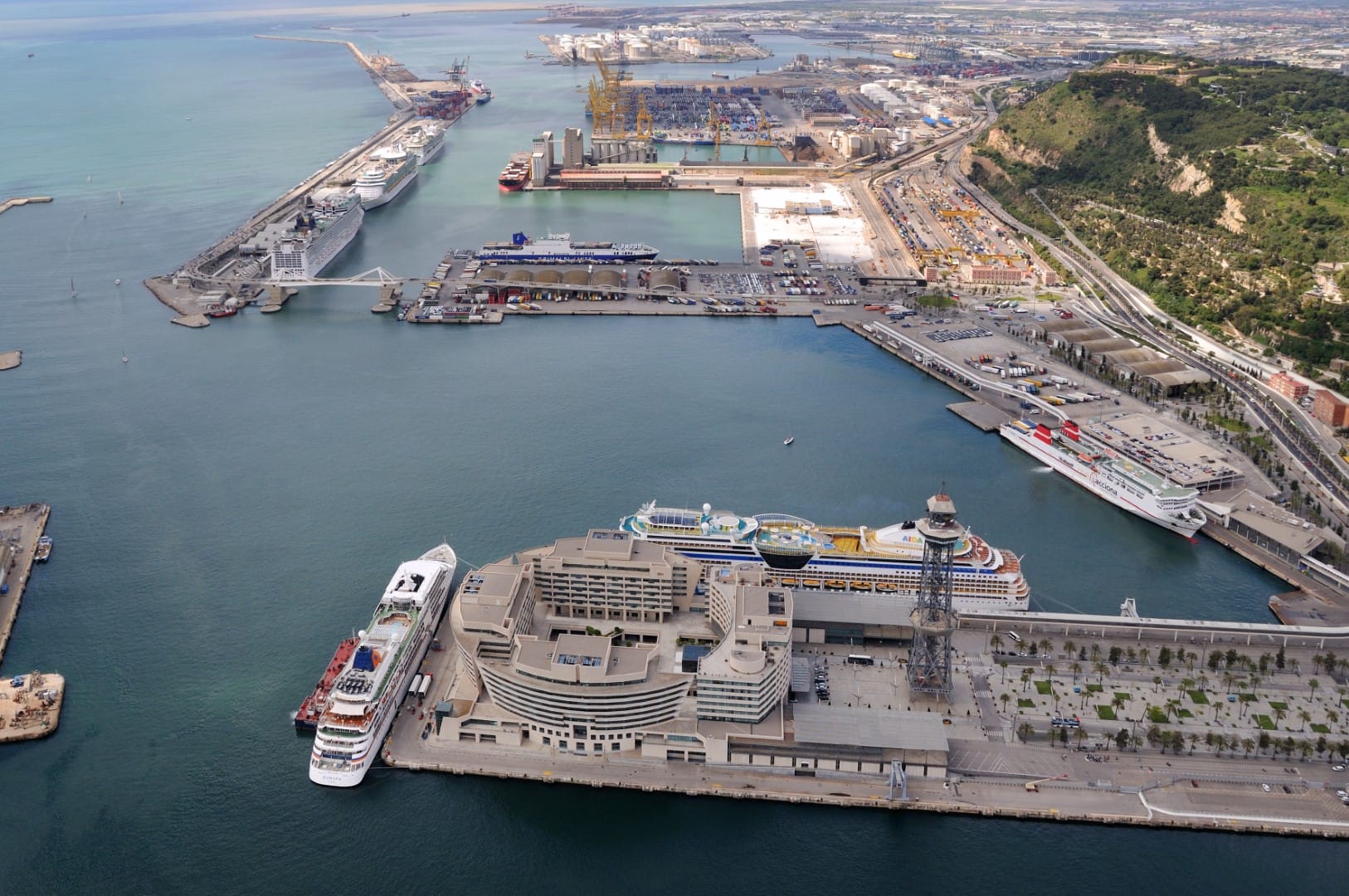
Video from Barcelona’s Moll Adossat showed cruise passengers walking along the roadway between their ships and the city after protesters blocked vehicle access. Depending on the berth, that walk could reach two miles each way.
That is a substantial distance to turn a port transfer into. I would judge this disruption by whether passengers could reasonably reach their ships, not simply by whether those ships departed on schedule. On that measure, Wednesday’s blockade caused a problem that an on-time departure cannot erase.
Port workers blocked vehicle access with protests and fire barricades on Wednesday, October 28, 2026, while four ships carrying more than 13,000 guests were in port. Vehicles could neither enter nor leave the affected terminals during the protest.
This was a labor dispute, not a protest against cruise ships or tourism. Workers were challenging bonus arrangements and financial disparities they believed violated their collective bargaining agreement. The distinction offered little practical help to passengers stopped on the road.
Blocked access, different passenger concerns
The Adossat terminals sit across the Porta d’Europa bridge, with a port shuttle connecting the quay to the Barcelona quay area. Blocking vehicle access interrupted that connection for both day visitors heading ashore and embarking passengers trying to reach their ship.
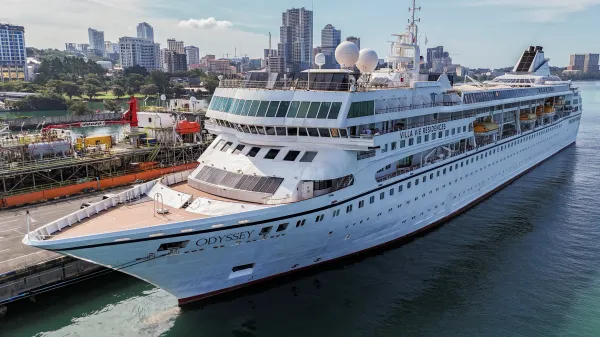
Odyssey of the Seas, Mein Schiff 7 and AIDAmar were making port calls. Norwegian Escape was embarking guests for a 16-night transatlantic sailing to Port Canaveral, Florida.
An Odyssey of the Seas passenger wrote on Facebook that guests waited until just before noon, when the protest ended, before going ashore. Waiting was an option for those passengers, though it cut into their time in Barcelona. Arriving guests faced a different concern: getting aboard in the first place.
One Norwegian Escape passenger described being stopped on the road to the port and worrying about missing the cruise. The passenger’s Facebook post acknowledged the workers’ right to protest while explaining the difficulty of reaching the ship. Those positions are perfectly compatible. Supporting a labor protest does not make the resulting access problem disappear.
No injuries or significant delays to ship departures were reported. The blockade ended well before scheduled departures, and no passengers were reported to have missed their ships because of it. Those are important limits on the disruption, rather than reasons to dismiss it.
Where the four ships were headed
Norwegian Escape was beginning its first cruise after a two-week dry dock in Marseille, France. There were no passengers disembarking from a previous voyage, so its passenger movements involved only guests arriving for the crossing.
Odyssey of the Seas was also on a transatlantic itinerary. Its 14-night voyage had left Civitavecchia on Sunday, October 25, bound for Cape Liberty, New Jersey.
Mein Schiff 7 and AIDAmar were operating seven-night cruises from Palma de Mallorca. Mein Schiff 7’s sailing began on Thursday, October 22, while AIDAmar departed on Sunday, October 25.
Separately, the U.S. Embassy and Consulates in Spain and Andorra issued a countrywide alert concerning demonstrations that Wednesday. It urged U.S. citizens to avoid protests and remain aware of their surroundings, warning of an increased security presence and the possibility that gatherings could escalate into violence. Odyssey passengers had also received warnings about demonstrations in Naples during the ship’s preceding voyage, with independent visitors urged to exercise caution.
The practical test for the port is whether its next access disruption leaves passengers with a better option than walking up to two miles.