Australia’s First Cruise Shore-Power System Nears Completion
The ten-container power system uses transformers, converters and switchgear, with Sydney Harbour seawater cooling inspired by the Sydney Opera House’s construction.
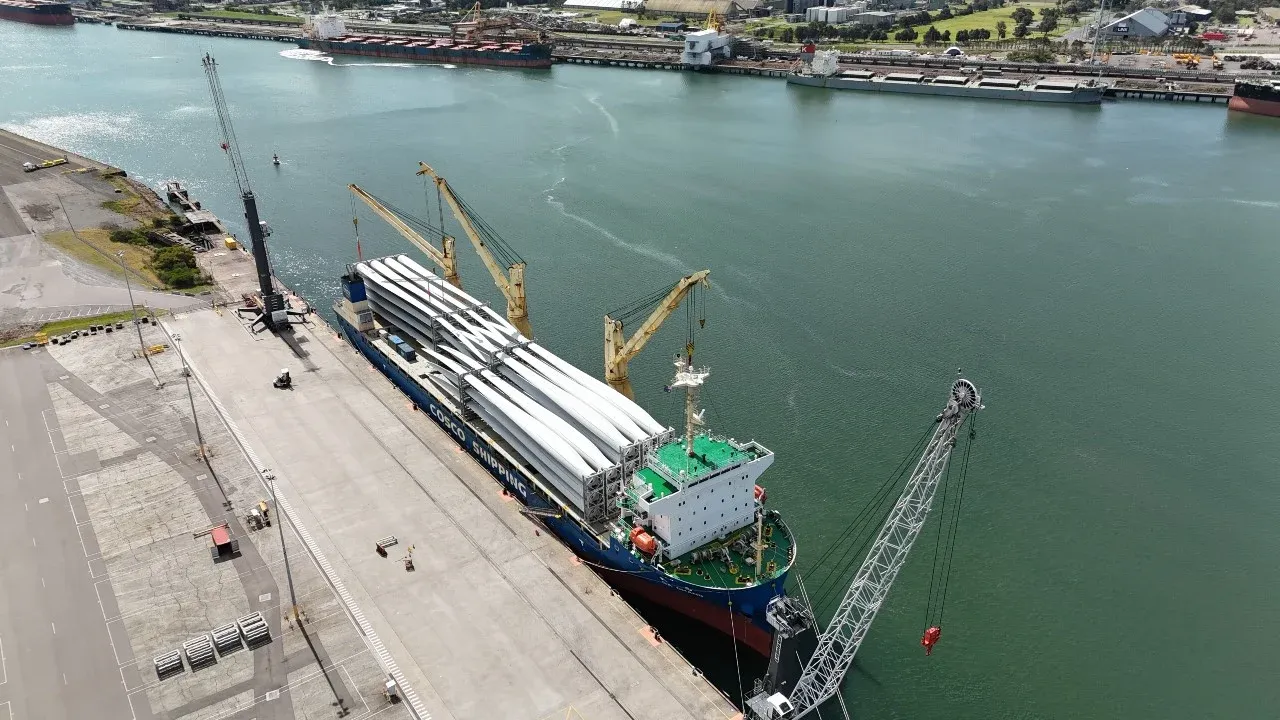
Australia’s first shore-power installation for a cruise terminal is nearing completion at White Bay in Sydney, where the onshore power supply is being installed this week. Port Authority of NSW plans to finish the project by year-end. Cruise ships could then connect during the current season.
The installation is expected to reduce carbon emissions by more than 4,000 tonnes annually, an amount estimated to be equivalent to removing 1,100 vehicles from New South Wales roads. It will allow ships to switch off their engines while alongside and draw electricity from the shore.
Ten-container electrical system takes shape
The onshore power supply is housed in 10 shipping containers containing transformers, converters and switchgear that will deliver electricity to visiting ships.
“The OPS is the powerhouse of the entire shore power system at White Bay,” Port Authority of NSW chief executive John McKenna said. He called the project “a significant step forward in reducing emissions from the cruise sector.”
The installation combines high-voltage equipment with buried cables and pipes and purpose-built equipment on the wharf. Port Authority of NSW project director Fauzan Zulkhepli described it as one of the most technically complex harbour-side infrastructure projects under construction in the state.
“The unique cooling system draws water from Sydney Harbour and circulates it through heat exchangers to regulate temperatures within the OPS,” Zulkhepli said. The system removes the need for a large conventional mechanical cooling system, reducing its energy consumption and noise.
The design was inspired by the seawater cooling system installed during construction of the Sydney Opera House. According to the Port Authority, this is the first use of such a system at an operating Sydney port.
Plugging ships in
Along with cutting emissions, a shore connection lowers machinery noise and fuel consumption during port stays, including overnight calls, when a vessel would otherwise need to keep engines running for onboard power.
High-voltage cruise ship shore connections are generally covered by IEC/IEEE 80005-1, which addresses their design, installation and testing. Cruise systems commonly support 6.6 kV or 11 kV electricity at either 50 Hz or 60 Hz, depending on the vessel and port.
Ports in the United States and Europe already operate shore-power infrastructure for cruise ships. No other shore-power projects at Australian ports have been publicly announced.
See cruises departing Sydney on Cruise Lookup.