AIDA Names 2026 Innovation Hub Winners From 150 Proposals
Nine finalists presented to a five-member jury in Rostock on September 16, before AIDA said winners could move to feasibility studies or shipboard pilots.
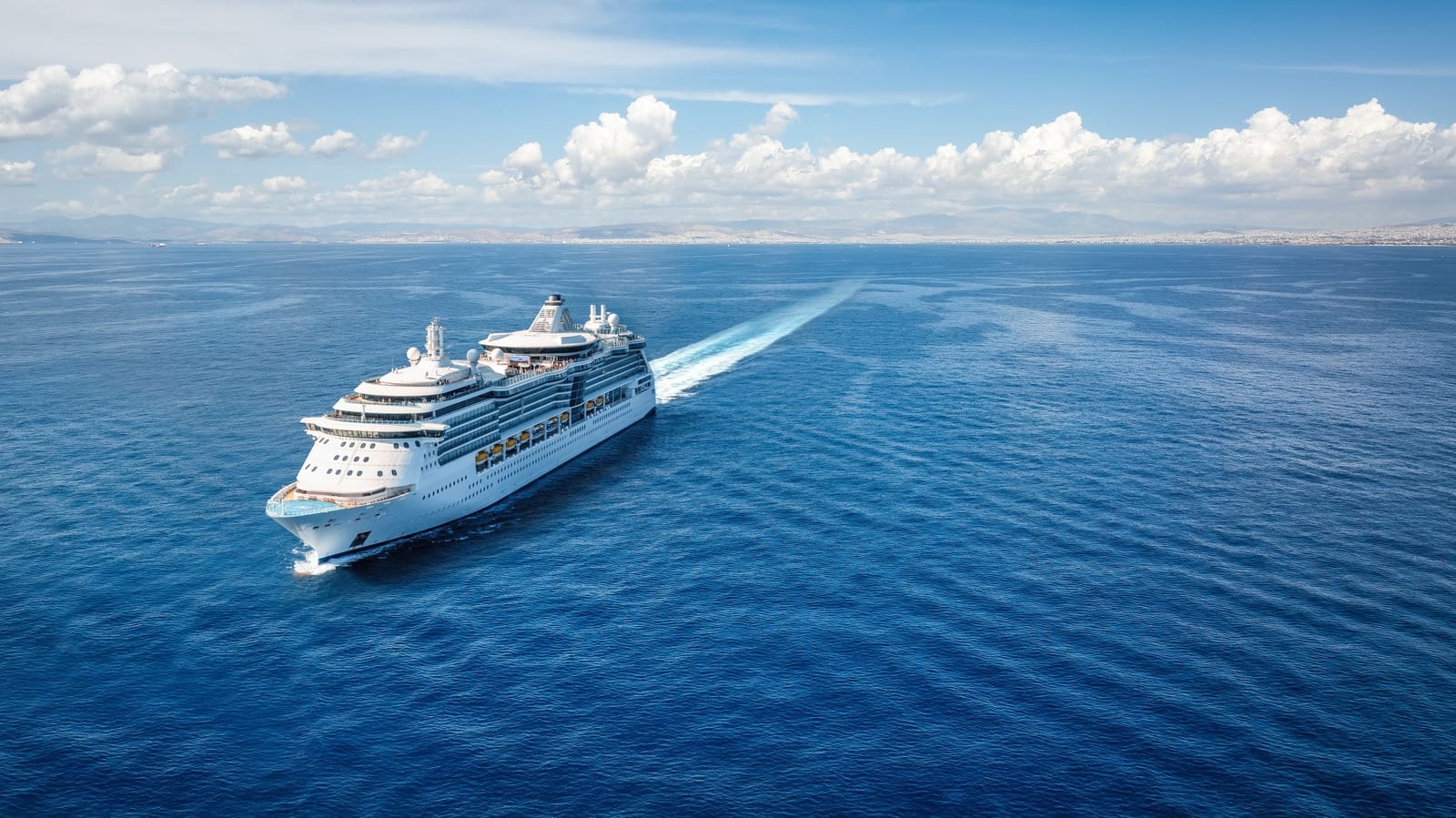
AIDA Cruises has selected wastewater heat recovery, wood-based ship components and indoor navigation as the winners of its 2026 Innovation Hub. The three projects were chosen from more than 150 proposals after nine finalists presented to a five-member jury in Rostock on September 16, 2026.
One project won in each of the program’s three categories: decarbonization, sustainability, and artificial intelligence and smart solutions. All three concepts remain at an early development stage.
Waste heat, wood components and shipboard wayfinding
Weimar-based revincus GmbH won the decarbonization category with technology that captures thermal energy from wastewater before it is discharged. The recovered heat could be returned to onboard systems, reducing the energy needed for hotel operations, while automated cleaning would help maintain the efficiency of heat-transfer surfaces.
Revincus already develops systems that pair heat exchangers and heat pumps to recover energy from greywater or mixed wastewater for heating and hot-water applications. Its Innovation Hub proposal applies that technology to the operating conditions aboard cruise ships.
The German Aerospace Center, known as DLR, won the sustainability category with WoodShip, a research project examining the use of regional wood in selected ship structures and exterior applications. Its work covers components including sight screens, cladding and balcony-area elements, alongside shipbuilding requirements such as fire safety and standardized modular construction.
WoodShip is assessing whether wood can replace conventional materials in some applications and whether its carbon-storage properties can contribute to long-term emissions reductions.
Contagt GmbH of Mannheim took the artificial intelligence and smart-solutions category with an indoor-navigation system intended for integration into existing mobile applications. The platform combines smartphone routing with technologies including QR and NFC tags, Bluetooth beacons, Wi-Fi and sensor data; Contagt claims positioning accuracy of up to one to two meters.
AIDA said the system could make it easier for passengers to find destinations across large ships and reduce routine wayfinding questions handled by crew members.
Six other projects reached the final round
The jury evaluated the finalists on innovation, feasibility and relevance to the maritime industry. Before the final presentations, Dirk Inger, AIDA Cruises’ senior vice president of public affairs, communication and sustainability, said the line was impressed by “the high quality and diversity of the submitted ideas.”
The other decarbonization finalists were Rostock-based Hydronauten, whose QuietHydro technology targets pump vibration, noise and energy efficiency, and Madrid-based TiTech, which proposed a chemical-free titanium surface designed to prevent marine growth on underwater structures.
Rostock Port reached the sustainability final with the LA-RoRo II project, which uses real-time analysis and targeted countermeasures to reduce noise. Hamburg-based Circularity Germany proposed a system for recycling onboard textiles, including workwear, towels and tablecloths, into new products.
The remaining digital finalists were Ariadne, with camera-free technology for measuring passenger flows without collecting personal data, and Rostock.ai, with an AI-supported platform connecting visitors to local information, businesses, attractions and offers.
AIDA said each winning team will be able to continue developing its concept with the cruise line. Depending on the project, the next phase could involve a feasibility study or a pilot aboard an AIDA ship, although no dates or vessels were identified.